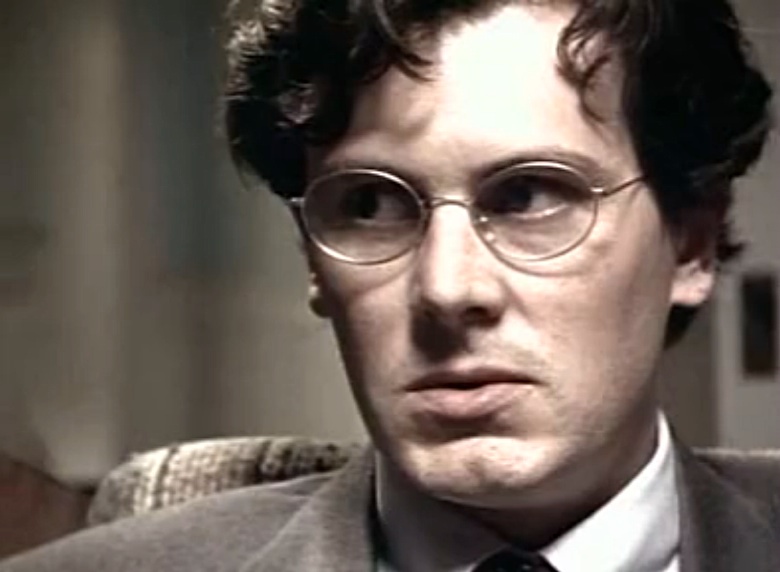
Based on the novella Lady Susan by Jane Austen, Love & Friendship is the story of a scandalized widow who seeks refuge at the home of her brother-in-law where she hopes to find a husband for herself and her daughter. Written for the screen and directed by Whit Stillman, the film is a period drama set in the late 18th Century where it plays into a woman is trying to redeem her name and provide a future for her daughter. Starring Kate Beckinsale, Xavier Samuel, Emma Greenwell, Morfydd Clark, Jemma Redgrave, Tom Bennett, Justin Edwards, Jenn Murray, Stephen Fry, and Chloe Sevigny. Love & Friendship is a witty and delightful film from Whit Stillman.
Set in 1790 Britain, the film revolves a recently-widowed woman whose scandalous past has come back to haunt her as she moves in with her brother-in-law where she falls for her sister-in-law’s brother. When her daughter has been kicked out of school, complications emerges when she falls for the same man her mother is courting while evading the affections of a dim-witted suitor. It’s a film that isn’t just about some of the complications of love but also a woman’s attempt to maintain her social status despite her illustrious past as a flirt where she’s not even allowed to talk to one of her best friends publicly as they would talk privately or correspond secretly through letters.
Whit Stillman’s screenplay isn’t just an exploration of social climbing, reputation, and survival but also a woman trying to ensure her daughter’s security despite their own personality differences. Yet, Lady Susan Vernon (Kate Beckinsale) is a woman that has become accustomed to a lifestyle and wants to keep it no matter what it takes. Sure, Lady Vernon is manipulative and is willing to scheme but it is all about the nature of the game she has to play to survive despite the notoriety she’s attained in the past as she is a bit indifferent of what people think of her. Still, she has to think about her teenage daughter Frederica (Morfydd Clark) who is asked to marry this young buffoon in Sir James Martin (Tom Bennett). Upon meeting her sister-in-law’s brother Reginald DeCourcy (Xavier Samuel), Lady Vernon sees him as a prospective husband but things complicated when Federica falls for him as well.
It’s not just in the plot scenarios and schematics where Stillman explores what Lady Vernon is doing but it is also in the dialogue. Stillman’s dialogue is very stylized in not just playing to the times but also in the rhythm and tone that is true to writings of Jane Austen. It has a language that is unique but also a feel that manages to play off into much of the humor. Even in some the dramatic moments as it play into the anguish in Frederica as well as some of the conversations Lady Vernon has with her American friend Alicia Johnson (Chloe Sevigny) who understands her friend’s plight. While she doesn’t agree with Lady Vernon’s tactics, she does understand the need to survive as she is married to a prestigious businessman in Mr. Johnson (Stephen Fry). Yet, if he finds out that his wife is talking to Lady Vernon. He will take her back to America where she is seen as a traitor for supporting the British during the American Revolution as it’s one of these tidbits in the script that makes it so fun to follow.
Stillman’s direction definitely owes a lot to style in not just the way it plays into costume period dramas but give it a sense of irreverent humor. From the way the characters are introduced to how elements of poetry and letters are being read with text presented on screen. Shot entirely on location in Ireland, the film does play into the look of the period with its usage of wide and medium shots to capture the location while the latter would also provide a sense of intimacy in the dramatic elements along with its usage of close-ups. Much of the composition relies more on a sense of control with its steadicams to follow the actors walking into a room or at a court inside the house. It all plays into this world where it is about behaviors and prestige where Stillman says a lot of what is going on in that world where everyone of importance has to present themselves in a certain way. At home, they can be themselves no matter how bad they are.
There is no question that Lady Vernon is a despicable character but she isn’t totally un-likeable as Stillman wants to maintain that sense of what she is doing. Especially as it relates to his own fascination of the upper-class world and what people are willing to do to maintain a lifestyle that not many people are accustomed to. Stillman doesn’t try to over-dramatize things with the exception of one key character who is presented as a form of humor. It is all about the role that women played in society and what they had to do to survive in an upper-class world. Even as they have to contend with morals and the rules where this one woman does what she have to do while not being afraid to break a few rules in the process. Overall, Stillman creates an engaging and exhilarating comedy about a woman’s search to find husbands for herself and her daughter through devious means.
Cinematographer Richard Van Oosterhout does excellent work with the film‘s cinematography from the differing look of the exteriors to play into a mood for the film as well as some of the interiors with its low-key approach to lighting as well as how the sun is placed against the windows. Editor Sophie Corra does terrific work with the editing as it largely straightforward to play into some of its humor through its rhythmic cuts as well as for some of the dramatic moments. Production designer Anna Rackard, with art directors Louise Mathews and Bryan Tormey and set decorator/carpenter Stuart Crinnion, does brilliant work with the look of the many interiors in the homes and estates that the characters live in as well as the apartment that Lady Vernon would live in London for the film‘s second half. Costume designer Eimer Ni Mhaoldomhnaigh does amazing work with the costumes from the lavish look of the dresses the women wear including the hats as well as the clothes that the men wore in those times.
Hair designers Eileen Buggy and Rod Ortega, with makeup designer Margot Boccia, do fantastic work with the design of the hairstyle of the women with the latter doing the work for the look of Lady Vernon. Visual effects supervisors Danielle Kempen and Hans van Helden do nice work with the minimal visual effects where it is really bits of set dressing as well as displaying the text that is read by characters onscreen. Sound editor Ranko Paukovic does superb work with the sound with way some of the action is heard in another room along with the lively moments in a party scene where Sir James is dancing like an idiot. The film’s music consists largely from traditional and classical pieces from the period of the time as well as variations of original music by Benjamin Esdraffo and Mark Suozzo with the latter doing much of the music supervision in selecting various classical and operatic pieces that are played in the film.
The casting by Kerry Barden, Colin Jones, and Paul Schnee is phenomenal for the large ensemble that it displays as it include some notable small roles from Kelly Cross as Lady Vernon’s traveling companion Mrs. Cross in the film’s first act, Conor Lambert as the DeCourcy family butler, Sylvie Benoiton and Daniel Magee as the children of Charles and Catherine Vernon, Lochlann O’Mearain as Lord Manwaring, Sophie Radermacher as Lord Manwaring’s young daughter, and Justin Edwards as Lady Vernon’s brother-in-law Charles Vernon who offers her a temporary place to stay as well as deal with several family issues. Stephen Fry is superb in his small role as Mr. Johnson as Alicia’s husband who disproves her friendship with Lady Vernon while attending to the emotional needs of Lady Manwaring in a very comical manner. Jenn Murray is wonderful as Lady Lucy Manwaring as this emotional drama queen who hates Lady Vernon as she accuses her of seeing her husband.
James Fleet and Jemma Redgrave are excellent in their respective roles as Sir Reginald and Lady DeCourcy as Catherine and Reginald’s parents who are concerned with Lady Vernon’s presence while taking in Frederica whom they cherish. Chloe Sevigny is fantastic as Alicia Johnson as an American exile who is Lady Vernon’s best friend as she helps her despite being told by her husband not to as Sevigny displays a lot of charm and flair to her character. Emma Greenwell is amazing as Catherine DeCourcy Vernon as Charles’ wife who also takes in Lady Vernon as well as taking a liking towards Frederica while admitting to having her own qualms about Lady Vernon. Morfydd Clark is brilliant as Lady Vernon’s daughter Frederica as this shy and troubled young girl who has gotten kicked out of school as well as not wanting to get married where Clark displays an anguish as well as an innocence to this young woman who finds herself falling in love.
Tom Bennett is hilarious as Sir James Martin as a young man who wants to marry Frederica as he is just this loveable buffoon who says very idiotic things while believing there’s twelve commandments instead of ten as he is just fun to watch. Xavier Samuel is remarkable as Reginald DeCourcy as this young man who becomes attracted to Lady Vernon as he finds her interesting while also becoming drawn by Frederica. Finally, there’s Kate Beckinsale in an incredible performance as Lady Susan Vernon as she exudes charm and wit into her character while not being afraid of being despicable but in a loveable way as Beckinsale just gives the performance of her career.
Love & Friendship is a sensational film from Whit Stillman that features a delightful performance from Kate Beckinsale. Featuring a great supporting cast, lovely visuals, gorgeous costumes, and a fantastic score. It’s a film that explores the world of Jane Austen with a sense of irreverent humor and a study of social climbing as well as what women had to do to survive in a world where there’s a lot of expectations in the upper class. In the end, Love & Friendship is a tremendously rich film from Whit Stillman.
Whit Stillman Films: Metropolitan - Barcelona - The Last Days of Disco - Damsels in Distress - The Auteurs #21: Whit Stillman
© thevoid99 2016
One of the most revered voices to arrive in the 1990s, Whit Stillman is a filmmaker who presented a world that some people didn’t think they would relate to. Yet, he was able to provide those from upper class environments or lived in the city something that someone from the suburbs could relate to. Often filled with irreverent humor and commentary about the world, Stillman’s films became the anecdote to a period that was defined by irony. As the 1990s ended, Stillman went on a hiatus period that was similar to the 20-year disappearance of another American filmmaker in Terrence Malick. Yet, Stillman would finally return in 2011 with a new film that proved that he still had something to say.
Born John Whitney Stillman on January 25, 1952 in Washington D.C., Stillman was the son of a politician as his father worked as an assistant commerce secretary for the John F. Kennedy administration. Being raised at Cornwall, New York, Stillman was able to take part in the world of debutante parties and other aspects that privileged kids were able to do. In the 1970s, Stillman went to Harvard University where he wrote for the school’s paper while eventually graduating in 1973. After a period as a journalist in New York City, Stillman was able to get the attention of film producers from Spain about selling their films to Spanish-language U.S. television. The meetings would prove to be fruitful for Stillman as he worked in the country as sales agents for filmmakers like Fernando Trueba and Fernando Colombo where he would also act in small parts for their films.
Just as the 1980s were prevalent in a period dominated by excess and capitalism, Stillman used these experiences to write about the life he was part of while trying to give voice to a group of people that seemed inaccessible to those who lived in the suburbs or weren’t part of the bourgeoisie lifestyle. If there’s one filmmaker that is prevalent in the works of Stillman, it’s Woody Allen. Allen’s use of irreverent humor and commentary on aspects of high-brow culture was unique as Allen was this strange mix of American slapstick comedy with the world of 1960s European art house films. Allen would be this big influence on Stillman who would definitely take on a unique approach to comedy by finding voice in young people living in the bourgeoisie world.
Metropolitan
The first film of this unofficial trilogy entitled Doomed-Bourgeois-in-Love would be a project revolving around a group of young college students from Ivy League schools spending the Christmas holidays attending debutante parties and such while dealing with the uncertainty of adulthood. Stillman would spend four years perfecting the screenplay that would eventually become Metropolitan as it was loosely based on his own experiences as a Harvard college student where he was in Washington D.C. with his divorced mother as he spent times attending parties in that world of young, privileged kids.
While the story would revolve around an outsider who becomes part of this group of young preppy rich kids, it would be an exploration about a world that is changing where these kids question about how they would adjust to the changes. Particularly as the film was made during the late 80s where one decade is about to end and another is about to arrive. In the course of this period during the Christmas holidays as it would expand into the early stages of the New Year. The characters in the film would delve into many discussions about existentialism, class issues, and all sorts of things where its protagonist in this middle-class Princeton student named Tom Townshend would enter this world as an outsider who does have some unique views on the world. Yet, he would come out of this experience with a bigger understanding about the world.
Stillman would utilize a small crew for the film as he gained such early collaborators in cinematographer John Thomas, editor Christopher Tellefsen, and music composer Mark Suozzo. For the cast, Stillman went for unknowns for the film as Edward Clements would play Tom Townshend while filling out the cast would be Chris Eigeman as the cynical Nick, Taylor Nichols as the intellectual philosopher Charlie, and Carolyn Farina as the young woman Audrey whom Tom falls for. With a lot of the location set in Manhattan during the cold winter, Stillman would often let the actors flesh out their characters through comical or dramatic manners.
With a lot of the film taking place in these lavish environments, it would definitely seem alienating to an audience that is from a working class or a middle-class background. Even to those in a lower-class background who feel like these are just a bunch of snobby rich kids who are just over-thinking everything about their comfy lifestyle while dressed in tuxedos and debutante dresses. Yet, Stillman is able to find something that people who aren’t upper-class or from the bourgeois world that people could connect with such as the uncertainty of becoming an adult. Even in a scene where both Tom and Charlie meet a man in a bar who provides some answers about life as an adult that would reveal some harsh realities for these two young men who are at odds with each other over their different philosophies on life and social classes while trying to win over Audrey.
While the story is largely told from the perspective of Tom Townshend as he’s dealing with not just the new environment he’s in but also a relationship with a young woman he was just with as she is dating a man who has a reputation for being a slime ball. Yet, he is someone who is very flawed as he becomes attracted to Audrey who is having her own issues about the ideas of love. Helping Tom navigate through this world is Nick who is this very talkative cynic yet he is the film’s comic relief. Notably as he would tell stories that could be true, false, or an exaggeration yet would often have something profound in the way people behaved. Even as Nick’s viewpoints on the world give Tom a chance to finally come into revelations about himself and the world where he and Charlie finally come together to stop something that could hurt Audrey.
The film made its official premiere at the 1990 Sundance Film Festival where it would become a major hit in film festivals in the U.S. as well as getting a chance to be shown at the Director’s Fortnight at the Cannes Film Festival. Released to theaters in the late summer of that year, the film became a hit with critics and audiences as it gave Stillman a New York Critics prize for Best New Director while getting an Oscar nomination for Best Original Screenplay. The film’s success would help ensure the new wave of new filmmakers coming from the world of indie cinema as Stillman would become one of its key figures.
Barcelona
The success of Metropolitan gave Stillman lots of clout to attract the attention of the studios yet it took some years for the filmmaker to finally get the chance to make a film on his own terms while getting the backing of a studio. Castle Rock Entertainment would be the studio to give Stillman the financial aid he needed as well as the support to make his sophomore feature his way. For this sophomore feature, Stillman would go back to the time when he lived in Spain during the early 1980s at a time when the country was going through some major changes in the aftermath of the Franco-led dictatorship dating back to 1936 to the mid-1970s.
Named after one of the cities that Stillman had lived in the during the 1980s, the film would revolve around two American cousins who deal with this wave of anti-American propaganda that was sweeping around the nation while trying to win over the hearts of women in the country. Notably as these two men are very different from one another as they also bicker a lot over personal issues and all sorts of things. Yet, they would come together in order to help each other woo women while dealing with people spouting anti-American sentiments as they would even question themselves as Americans living in Spain.
Retaining such collaborators as cinematographer John Thomas, editor Christopher Tellefsen, and music composer Mark Suozzo while getting casting director Billy Hopkins to help cast the film. Stillman was able to use the small $3.2 million budget to get the chance to shoot the film on location in Barcelona. While Stillman was able to get Taylor Nichols and Chris Eigeman to play the leads, one of the big discoveries Stillman got was in emerging actress Mira Sorvino to play the role of a Spanish woman named Marta. Along with small roles from noted character-actor Jack Gilpin and Thomas Gibson as well as a role for newcomer Tushka Bergen as one of the love interests. Stillman was finally set to do his next feature.
While the film would be set in the early 80s primarily in Barcelona during this air of change where modern Europe is finally coming to the country. Stillman would take a much broader approach to his presentation while keeping focus on the characters at large with Nichols as the more socially-awkward salesman Ted and Chris Eigeman as his more talkative Naval officer cousin Fred. While both Ted and Fred each have different ideas about what they want in a woman. Both would face some tribulations in their own personal journeys where Ted is looking for someone who isn’t physically attractive but rather someone who can offer something more. Yet, he falls for the very beautiful and smart Musserat (Tushka Bergen) who exudes these qualities but is also just as flawed as Ted who is quite neurotic and rarely outspoken.
Balancing Ted’s awkwardness is Fred’s patriotism as a Naval officer who finds himself the target of a lot of the anti-American propaganda where he’s accused of being a spy as he often wears his Naval uniform. While he is a man who tries to help woo girls for Ted by making a lot of exaggerations, he is still a devoted cousin who is a bit selfish at times. During his stay in the city, he begins to question whether Americans are really the enemy as it allows Stillman to raise lots of heavy questions about identity. Particularly as it comes to Americans who are viewed by Europeans as low-class consumerists who spend their time eating hamburgers. It’s something that Stillman allows the audience to think about but with an air of humor as the film ends in a very ironic note of sorts.
The film premiered in late July of 1994 as it was able to do well in the box office as well as getting praise from critics. While it didn’t get the same kind of praise that Stillman’s previous film got. It still managed to prove that Stillman was no one-trick pony while raising his clout with the world of film. One aspect of the film that became interesting during its production was the fact that Taylor Nichols did fall in love with a Spanish woman whom he later married in an example of life imitating art.
Homicide: Life on the Street-The Heart of Saturday Night
One aspect of working outside of the film studio system for independent-minded filmmakers is the chance to work into the realm of television. For Stillman, he took part in the acclaimed investigative crime series Homicide: Life on the Street that often revolved around crime in Baltimore. Stillman directed an episode in its fifth season where its regular cast included Andre Braugher, Richard Belzer, Yaphett Koto, Melissa Leo, and Michelle Forbes along with guest appearances from Rosanna Arquette, Polly Holliday, and Stillman regular Chris Eigeman who all play people at a support group who had just lost family members.
It’s an episode all revolving a troubling Saturday night in which three people are killed and how it affected those who are connected to these three lost lives. The narrative moves back-and-forth from the main cast investigating the crime while Arquette, Holliday, and Eigeman are the people in a support group talking about their loss where Eigeman’s character is a man who lost his wife in a carjack while his 3-year old daughter was in the car. The support group scenes were presented in a stylized look while everything else looked normal. It’s a unique episode where Stillman strays away from his usual themes to explore loss with Eigeman playing a cynical individual who feels like there will be no resolve to what he went through. It’s definitely a small gem from Stillman’s work proving that he can step outside of his comfort zone.
The Last Days of Disco
While filming some scenes for Barcelona that were set in discotheques in the city, Stillman got an idea to create a story that would revolve around his time in New York City during the disco era of the late 1970s. Notably as it would fit in with his trilogy of doomed bourgeoisies in love set in periods of time when things were changing. This time around, Stillman decided to make a few changes as far as protagonists are concerned while still making it an ensemble film of sorts as it would be set in the final days of the disco music scene in New York City during the early 1980s.
While the lead characters in two post-graduates from Ivy League schools were women who worked at a publishing house by day and go to the disco clubs at night. There would be men that would pursue these women as they also deal with their own identities and aspirations. Notably as they would all come together as a group to talk about their futures and ideas about love while dancing to disco music at a club they all go to where one of the men in the film is a club manager. While there’s two other men in an advertising executive and an assistant district attorney all looking for love and meaning in their lives. It is still about these women trying to find the right man in their lives while dealing with the pitfalls of romance.
With collaborators such as composer Mark Suozzo and cinematographer John Thomas on board for the film, Stillman wanted to do something different with his approach to the cast. While Stillman was able to get Carolyn Farina and Taylor Nichols to reprise their roles from Metropolitan with Nichols also playing his role from Barcelona in cameo appearances. Stillman was approached to get big names such as Winona Ryder and then-rising star Ben Affleck for the role of club manager Des. Stillman ended up giving the role to Chris Eigeman while British actress Kate Beckinsale got to play the role of the outspoken Charlotte. For the role of the more introverted Alice, Stillman eventually chose Chloe Sevigny based on the suggestion of his editor Christopher Tellefsen who had seen Sevigny on the controversial 1995 film Kids that Tellefsen had edited.
With a budget of eight million dollars, Stillman shot the film on location in New York City while shooting the disco club at Loew’s Jersey Theater in Jersey City. Shot in the span of over two months in late 1997, Stillman wanted to create this world where it was set in a period of time where things were changing. With the help of stock footage that included images of the infamous Disco Demolition Night in Chicago of 1979, it was to emphasize a period where these young people are trying to come to terms with a world that is changing. Even as the era of the yuppies are starting to arrive where they all talk about some of the advantages that yuppies will have.
It’s also a film that involves these two different women who are very different where Stillman allows both Sevigny and Beckinsale to flesh out their characters. Notably as Sevigny’s character Alice struggles with her own relationship issues as a one-night stand with Robert Sean Leonard has her contracting a sexual transmitted disease that wasn’t AIDS. Even as Alice finds herself drawn to the sexually-confused Des and the more straight-laced assistant D.A. Josh while Beckinsale’s Charlotte is dating the ad executive Jimmy. Yet, these characters all go through issues of identity where some rise and some fall just as the disco scene itself begins to fall apart. Yet, it would be Josh who would have this very memorable monologue about disco that really stated about what was so great about the music and how he believes that will never die as the film ends on an upbeat note where Josh and Alice are dancing on a subway train to the O’Jays’ Love Train.
While the post-production for the film went through issues when another film about the disco music scene in 54 was about to come out around the same time. Stillman was able to get the film finished for its release in May of 1998. While it was well-received by the critics, the film was a box office disappointment though it fared much better than the more high-profiled 54 which came out later in the summer to poor reviews and disappointing box office numbers. Shortly after the film’s release, Stillman left New York City to move to Paris for a change of scene as he would eventually make one of the great disappearing acts in the world of cinema.
Damsels in Distress
In the aftermath of the release of The Last Days of Disco in which Stillman’s cult grew through his three films as that film and Metropolitan were eventually released through the famed Criterion Collection for its DVD/Blu-Ray releases. While that cult of film buffs were watching Stillman’s three films, the director himself spent much of the 2000s living in Paris while trying to come up with various projects during that time. While he gave interviews with the press on rare occasions during that hiatus, there were several unfinished projects Stillman had been working on including an original project in Dancing Mood set in 1960s Jamaica as well as an adaptation of Christopher Buckley’s Little Green Men as none of these projects got off the ground.
Stillman finally returned to New York City in 2009 where he was involved for the Criterion DVD release for The Last Days of Disco where he did a commentary track with Chloe Sevigny and Chris Eigeman. It was also around that time that Stillman was finally working on a script for a new project that would finally be the end of his long-standing hiatus between films. A project that would be somewhat different from his previous works but also contain some of the same elements that he’s been for in a film called Damsels in Distress.
The film would be about a trio of college girls at a prestigious east coast university as they take in a transfer student to be part of their group. These four women would eventually deal with the pratfalls of romance as the lead girl Violet goes through a period of depression while the transfer student Lily finds herself drawn to a young European and a playboy. Amidst all of this chaos over men and social identities, Violet tries to steer her depression through dancing as she attempts to start a new dance craze in the hopes to get people to feel better about themselves. The film is something very different from Stillman in not just unveiling his love for the musicals but also for finding something that he could relate to in these young women who aren’t as different as the characters he had created in his previous films.
While Stillman was able to retain composer Mark Suozzo for the film’s music, in collaboration with Adam Schlesinger of Fountains of Wayne, as well as editor Andrew Hafitz who had co-edited The Last Days of Disco. Stillman relied on an entirely new crew to help him make the film while he also decided to use on a very young cast for the film while he was able to put regulars Taylor Nichols and Carolyn Farina in small cameos. The cast would be filled out by up-and-coming actors as well as people who are sort of known for their work in TV and indie films. For the lead role of Violet, Greta Gerwig was chosen while Adam Brody would play the playboy Charlie who is going through his own issues. For the role of the transfer student Lily, Analeigh Tipton was cast.
Shot in the course of 28 days, Stillman wanted to go for a film that had a realistic idea of what college life is but also subvert it a bit into the realm of fantasy. Notably as it involved these characters who maybe those who are in a clique of their own but they often observe everything as they often take part in many social gatherings of college life. There are moments where Stillman pokes fun at the world of college cliques that included an infamous dorm that is known for their lack of hygiene and being very smelly. Yet, the film ends in the form of a musical where Stillman once again goes against convention by having the film’s ending be an instruction into how to dance Violet’s new dance craze known as the Sambola.
The film premiered at the 2011 Venice Film Festival in early September of that year while it later played at the Toronto Film Festival in that same month. The film was well-received in its festival appearances as critics and audiences welcomed Stillman back to the film scene. A year later, the film was given a limited theatrical release through Sony Pictures Classic where the film got excellent reviews and did modestly well in the box office. Its success definitely confirmed that Stillman was back and his 13-year hiatus was well worth the wait.
While there hasn’t been any confirmation into what Whit Stillman will do next. The film’s he’s made in the 1990s as well as Damsels in Distress has already confirmed him as one of the most viable filmmakers in American cinema. In the works of filmmakers like Noah Baumbach and Wes Anderson, Stillman provided them the chance to give characters from upper-class backgrounds or those who are highly-intellectual the chance to finally have their voice. Even if these characters are flawed, the films that Stillman has put are still engaging for the fact that these individuals are quite real but also provide a sense of humor that is unique. These are some of the reasons why Whit Stillman is among one of the best filmmakers working right now as only he could make films that can be funny and stimulating without being overly pretentious.
© thevoid99 2013
Written and directed by Whit Stillman, Damsels in Distress is the story of a transfer student who arrives at a university where she becomes part of a small group of women where they deal with the men in their lives. The film marks the return of Whit Stillman after a thirteen-year gap between films as he once again explores the world of young adults except in a new environment and with a new set of rules. Starring Greta Gerwig, Analeigh Tipton, Adam Brody, Hugo Becker, Megan Echikunwoke, Carrie MacLemore, and Ryan Metcalf. Damsels in Distress is a delightful comedy from Whit Stillman.
College life is a place where people go in the search to find themselves while finding ways to enjoy life. In this film, it revolves around three young women who take in a young transfer student as they deal with the pratfalls of love as well as trying to find ways to make life better no matter how bad things are. Leading the pack is Violet (Greta Gerwig) who is a sociable junior who runs a suicide prevention center with her two roommates Rose (Megan Echikunwoke) and Heather (Carrie MacLemore). The three women are known for their fashion sense and keen observation about the world of college life as they take in sophomore transfer student Lily (Analeigh Tipton) to be part of their group. Still, both Violet and Lily do get involved with some men in their lives as it makes things complicated where they each have two different ideas on how to deal with depression and disappointment where Violet doesn’t want to give in to the idea that she’s depressed.
Whit Stillman’s screenplay definitely recalls a lot of his past works where characters discuss about their roles in life and what is ahead yet things are different this time around as it’s all set in a university in the American east coast. Violet is definitely a unique individual who had been through some tough times in her life but always try to find someway to keep her spirits up. Yet, a new challenge involving someone she was with forces her to go into a tailspin until she finds something that she believes could help out get out of that tailspin. Lily is the outsider in the film as she is someone who has just transferred to a new school as she is in love with a European man in Xavier (Hugo Becker) while finding herself attracted to a man named Charlie (Adam Brody) whom Violet is suddenly attracted to.
This would eventually cause tension between Violet and Lily for much of the film’s second half where Lily is having a more active social life though she still wants to be friends with Violet. Violet however, wants to do things to help herself with the help of the sweet Heather and the more cynical Rose as she gets the idea to start a dance craze in the hopes to get people’s spirits up. Even as Violet uses the suicide prevention building as a way for people to dance so that they wouldn’t feel suicidal though some dispute Violet’s beliefs. Another interesting aspect about the film are the way men portrayed where there are those like Charlie who is a unique individual who is just trying to find himself. There are some men who are quite dim but they do offer something that gives them more to do while Xavier is this passionate European who is going through a crisis of identity and spirituality as he would later trouble Lily.
Stillman’s direction is definitely a bit different from his previous work as it’s much broader in some places while maintaining that air of intimacy that he’s been known for. Notably as Stillman goes farther away from the cities to something much more confined but still wild in the world of colleges. Notably as it involves some strange realm of social circles such as frat houses and dorms that are notorious for being very smelly. The world of Violet and her friends is quite different but also simple as they do live in dorms while being observers around their environment. While Stillman’s film is a light-hearted comedy with some low-key aspects of drama. There is something in the film that adds an element of escapism which is in the form of musicals.
With the help of choreographer Justin Cerne, Stillman uses dance as a way to help express Violet’s desire to make people feel better. Even as she attempts to start a new dance craze known as the Sambola which is this a mixture of all sorts of dances rolled into one. That element of the musical definitely gives the film a much more livelier feel as it expresses Violet’s desire to make the world much better. Even if it involves something as simple as the scent of a bar of soap that proves to be a wonderfully effective use of comedy. Overall, Stillman creates a truly splendid and fun film that explores a young woman’s desire to make college life better for the world with some help from her friends.
Cinematographer Doug Emmett does some fantastic work with the film‘s colorful cinematography from the sunny exteriors in the campus to some of the more straightforward look in some of the film‘s interior scenes. Editor Andrew Hafitz does nice work with the editing to create some stylish cuts for some of the more light-hearted moments along with some straight cuts in the dramatic portions of the film. Production designer Elizabeth J. Jones, along with set decorator Emmanuelle Hoessly and art director Brian Goodwin, does terrific work with the look of the campuses and places nearby to express a world that is thriving but also being troubled by a dorm that is known for being grungy and smelly.
Costume designer Ciera Wells is absolutely a highlight of the film from the colorful yet bright dresses Violet, Rose, and Heather wear to the more straight-laced look of Lily while they also delve into more stylish clothing as the clothes really add a nuance to the film‘s look. Sound editor Tom Paul does excellent work with the sound to capture the atmosphere of some of the party scenes as well as some of the intimate moments in the conversations. The film’s music by Mark Suozzo and Adam Schlesinger is brilliant for its playful use of piano-based music with a bit of jazz and rock into the mix to play out the world of college life along with some original music such as the Sambola song. Music supervisor Annie Pearlman creates a soundtrack that features a wide range of music from rock, 90s dance, and show tunes to establish Violet’s urge for escapism.
The casting by Kerry Barden, Anya Colloff, Amy McIntyre Britt, and Paul Schnee is incredible as it features appearances from two of Stillman’s old regulars in Carolyn Farina as a diner waitress and Taylor Nichols as a professor. Other small roles include Alia Shawkat as a student annoyed by Violet’s tap dancing, Aubrey Plaza as a depressed student who often attends the suicide center, Zach Woods as an elitist editor of the school’s paper, Meredith Hagner as Xavier’s old girlfriend Alice, Jermaine Crawford as a friend of the girls who helps them in the suicide center, and Caitlin Fitzgerald as a suicidal student the girls save only to unknowingly betray Violet. Ryan Metcalf and Billy Magnussen are very funny as two dim-witted frat boys who are friends of the girls with Metcalf as an old boyfriend of violet who feels bad for what he did while Magnussen is the more innocent of the two as he is admittedly ignorant but in a sweet way.
Hugo Becker is excellent as the European student Xavier who is confused over his own identity as well as his feelings for Lily. Adam Brody is terrific as Charlie as a well-dressed playboy who is still trying to figure himself out while gaining the attraction of both Violet and Lily. Carrie MacLemore is wonderful as the very sweet Heather who always tries to figure out what to do while she creates an idea that would later prove to be very helpful. Megan Echikunwoke is superb as the British student Rose who is sort of the cynic of the four while trying to figure out how to help everyone else with these issues. Analeigh Tipton is remarkable as Lily as a young transfer student trying to figure out Violet’s view on the world while dealing with her own dating life. Finally, there’s Greta Gerwig in a fabulous performance as Violet as a woman eager to make the world a better place while trying to confront her own issues with men and the world as it’s really a performance that is just so much fun to watch.
Damsels in Distress is a sensational film from Whit Stillman. Armed with a great cast led by Greta Gerwig, it’s a film that explores the world of college life and those trying to find themselves in that environment. It’s also a film that explores a young woman’s desire to create a world for herself that she feels is being bogged down while trying to deal with the pratfalls of love with the women in her life. In the end, Damsels in Distress is a marvelous film from Whit Stillman.
Whit Stillman Films: Metropolitan - Barcelona - The Last Days of Disco - Love & Friendship - The Auteurs #21: Whit Stillman
© thevoid99 2013
Written and directed by Whit Stillman, The Last Days of Disco is the story about two college graduates who work at a publishing house by day as they go to disco clubs in the early 1980s in its waning days trying to find love and fun. The film is about a period in time where things are changing as two women try to spend as much time in a nightclub soaking in these final days while facing the uncertainty of their future. Starring Chloe Sevigny, Kate Beckinsale, Chris Eigeman, Mackenzie Astin, Matt Keeslar, Matt Ross, Tara Subkoff, Jennifer Beals, and Robert Sean Leonard. The Last Days of Disco is an extraordinary comedy-drama from Whit Stillman.
The era of the disco craze was a place where many people get the chance to go to nightclubs, have a few drinks, and dance to some good music. While there were also dangerous elements of cocaine and promiscuous sex involved, it was a period in time that at least got people together to have fun. For two young post-graduates in Alice (Chloe Sevigny) and Charlotte (Kate Beckinsale), they go to a lavish nightclub as regulars just to have a good time as a way to escape the dreariness of everyday life where they work at a publishing house. While the two women aren’t exactly best friends, they do move in together with another woman while dealing with ideas of falling in love, dealing with the future, and the role of being a woman. Through the men they meet, they endure all sorts of challenges about what to expect in a man as the men themselves are also dealing with their own issues. Especially as the age of disco starts to go into a major decline forcing these two women to deal with the changes in their environment and in themselves.
Whit Stillman’s screenplay does play to themes that he’s known for as well as setting them transitional periods of time. While the film is set in the early 80s during disco’s decline, the script is structured to play out this period of decline where the first half is about the good times in the age of disco while its second half is about its inevitable fallout due to drugs, sexual promiscuity, and other big things. Particularly as it revolves on several characters in the film aside from Alice and Charlotte. Notably the men such as one of the club’s managers in Des (Chris Eigeman), an advertising executive in Jimmy (Mackenzie Astin), and an assistant D.A. in Josh (Matt Keeslar) as they are all part of the group that Alice and Charlotte are in. While there’s a few extra people that are part of this group, they all discuss about their roles in life as well as how to advance in life.
While Alice and Charlotte are these young women who have ambition and go to nightclubs, they are very different women as far as personalities are concerned. Charlotte is very outgoing in the way she deals with thing as well as being extremely opinionated as well as the fact that she’s kind of a bitch. Alice is a more soft-spoken individual who has idealism of what she wants in a man but her encounters end up being very troubling. While she finds something in guys like Des, Jimmy, and Josh as well as their flaws, it does have her raise questions about what she wants in a relationship while Charlotte believes she knows more yet she ends up going through the same questions as Alice about what she wants. Things do get more serious in the third act where the men in these women’s lives deal with not just themselves but also what they want just as the nightclub they all hang out is starting to close.
Stillman’s direction is very fascinating for not just the way the whole world of disco is presented but also the way he presents this rise of the world of the yuppies. There is a clash of these two very different cultures that each represents a different period in time yet Stillman is more interested in the people who are living in this transition of time. Stillman’s approach to framing is quite straightforward but still engaging in the way the characters are seen as well as how they conduct their lives. There is still humor that is present in these conversations as well as some of the action that occurs while it is mostly low-key and dramatic. Particularly as it plays to what these men are going through as Jimmy is trying to advance in the advertising world though he is considered to be a pariah at the club. The club manager Des is someone who is going through a sexual identity crisis while trying to help manage a club that is being targeted by the IRS and the NYPD.
The direction is also very playful while playing with the idea of anachronisms where Stillman uses footage of the infamous Disco Demolition Night in Chicago as well as raid in Studio 54. One aspect in playing with the anachronisms that does help with the film’s plot is the fact that there’s characters from Stillman’s previous films that appear who will help impact the fate of a few characters. Still, there is this build-up to the end where it involves lots of authority figures trying to close down this club that causes a lot of conflict for Josh. Even as it plays to some very dramatic moments about how he’s feeling for Alice as well as the fact that he’s kind of a friend for Des. The film’s ending is about the end of disco but is it really an end? There’s a great monologue that Stillman writes about disco’s demise that really plays true to not just about that period of time but also what it meant to people. Overall, Stillman creates a very rich and wonderfully smart comedy-drama about changing times and identity.
Cinematographer John Thomas does excellent work with the cinematography from the lighting presentation for many of the nightclub scenes to the more straightforward exterior look of New York City. Editors Andrew Hafitz and Jay Pires do fantastic work with the editing by utilizing rhythmic cuts to capture the tone of the conversations as well as some of the scenes in the clubs. Production designer Ginger Tougas does brilliant work with the look of the club many of the characters hang out at as well as the apartment that Alice and Charlotte live in. Costume designer Sarah Edwards does amazing work with the costumes from the more casual, yuppie-like clothes many of the characters wear in the day to the more stylish dresses the women wear at the club.
Sound editor Paul Soucek does wonderful work with the sound to capture atmosphere of the nightclubs as well as the more quieter moments in the work place and at the apartment. The film’s music by Mark Suozzo is terrific as it‘s mostly a low-key orchestral score to play out some of the dramatic scenes or scenes in the office. Music supervisor Peter Afterman does a superb job in compiling a soundtrack filled with some amazing disco classics from artists like Chic, Diana Ross, the O’Jays, Andrea True Connection, Alicia Bridges, Blondie, Sister Sledge, and many others as well as some reggae in the mix and late 60s soul music.
The casting by Billy Hopkins, Suzanne Smith, and Kerry Barden is incredible as it features some appearances from Jaid Barrymore as a club-goer known as Tiger Lady, George Plimpton and Anthony Haden-Guest as a couple of famous club-goers, Mark McKinney as a bar waiter, Michael Weatherly as a client of Jimmy’s who gets into the club, David Thornton as the club owner, Edoardo Ballerini as a club manager, and Burr Steers as the club doorman Van. Other notable small roles features some very funny appearances from Stillman’s previous films such as Carolyn Farina, Taylor Nichols, Bryan Leder, and Dylan Hundley replaying their roles from Metropolitan while Nichols also plays the character he played in Barcelona that includes Debbon Ayer as that protagonist’s future ex-girlfriend. Jennifer Beals is wonderful as a lover of Des who feels slighted by him while Robert Sean Leonard is excellent as a one-night stand Alice was with who later treats her like dirt.
Matt Ross is terrific as Alice and Charlotte’s co-worker Dan who hangs out with them while creating some fascinating observations about the disco world. Tara Subkoff is very good as Alice and Charlotte’s roommate Holly who is a very nice girl that Dan later dates though she is someone who admittedly makes questionable dating choices. Mackenzie Astin is superb as the advertising executive Jimmy who is trying to get into the club to help his career while making some discoveries about the club’s business. Matt Keeslar is great as the assistant D.A. Josh who goes to the club to discover the world of disco while some of his discoveries put him into conflict over what he should do as well as his feelings for Alice.
Chris Eigeman is marvelous as the club manager Des who tries to keep the club in order while dealing with his own sexual identity as he ponders about whether he’s really into women or not as it’s a very witty performance from the Stillman regular. Kate Beckinsale is remarkable as the very outspoken Charlotte as a woman who is very lively and opinionated while often saying the wrong things at times as it is a very delightfully charming performance from Beckinsale. Finally, there’s Chloe Sevigny in a brilliant performance as Alice as a young woman who is unsure about what she wants while dealing with some of the pratfalls about love as well with a discovery that could make or break her career.
The Last Days of Disco is an outstanding film from Whit Stillman that features top-notch performances from Chloe Sevigny, Kate Beckinsale, and Chris Eigeman. Along with a very fun music soundtrack, the film is definitely an intriguing piece into the world of identity and changing times as well as a look into the last days of the disco culture. The film is also very accessible in the way it deals with people discussing big themes in a setting where a lot is happening where these people are eager to escape from that craziness. In the end, The Last Days of Disco is a fabulous film from Whit Stillman.
Whit Stillman Films: Metropolitan - Barcelona - Damsels in Distress - Love & Friendship - The Auteurs #21: Whit Stillman
© thevoid99 2013
Written and directed by Whit Stillman, Barcelona is the story of two American men who go to Barcelona who deal with cultural differences in Spain as it’s emerging in the aftermath of Fascist-Spain while falling for the women in the country. It’s a film that explores men’s idea about women as well as about themselves in a foreign land. Starring Taylor Nichols, Chris Eigeman, Mira Sorvino, and Tushka Bergen. Barcelona is a charming yet captivating film from Whit Stillman.
In the scheme of finding the right person in life, there is always an idea about what that person should be. For the film’s protagonist in Ted Boynton (Taylor Nichols), it’s about someone who isn’t physically attractive but rather someone who offers something more. Yet, he goes into a lot of his challenges as an American salesman living in Barcelona who is already going through issues in his work thinking he’s about to be fired. Adding to the complication is the unexpected arrival of his cousin Fred (Chris Eigeman) who is a U.S. naval officer trying to handle public relations for the U.S. who are having issues with Spain. While the two men contend with each other over their own ideas of the world while trying to handle this sense of anti-American attitude towards them. They still are able to find women they’re attracted to in Marta (Mira Sorvino) and Montserrat (Tushka Bergen) only to find ways to ruin these relationships through acts of confusion, selfishness, and misplaced idealism.
Whit Stillman’s screenplay is set in the early 1980s where Spain has just come out of post-Francisco Franco era just as it was transitioning to a more democratic state. Yet, the film opens with an American library being bombed that is inter-cut with images of Barcelona in a modern setting while someone throws a stone at an IBM computer store. For Fred who is waiting for his fleet to arrive, he is shocked by this wave of anti-American propaganda that is emerging thinking he is going to help smooth relations. Yet, he is believed to be a spy for the CIA as he is just trying to understand what is happening while being in a relationship with Marta. Still, the story is told largely from Ted’s perspective as he is this neurotic salesman who has done good but is receiving some terrible news that he thinks will lead to his termination.
Upon meeting Montserrat, Ted believes he has found someone that just doesn’t exude the qualities he wants in a woman but is also someone who is incredibly attractive. Yet, she is dating an anti-American journalist named Ramon (Pepe Munne) who writes all of these things that Americans did forcing Ted to finally lash out. It would eventually cause him trouble as it would Fred who becomes paranoid. Still, there are many complications for these two cousins who detest each other at times as Fred is more outgoing while Ted is an introvert. Even as they both have to deal with a lot of the tension towards them as Americans where Europeans despise their consumerist attitudes and other ideals. While Fred tries to defend these ideals, he also believes that maybe the Europeans are right about the Americans though Ted isn’t as sure. The script would change its tone a bit in the third act in a moment that brings the two men together but also provide revelations about everything they had been facing.
Stillman’s direction is truly engaging for the way early 1980s Barcelona is presented with this mixture of a very modern Europe coming into the world with women walking around in red coats while being inter-cut with images of anti-American attitudes. There are some amazing compositions that Stillman creates to present this kind of awkwardness in the ideas of Americans living in Barcelona. Notably as Ted and Fred often speak English for a large portion of the film as they don’t know much Spanish where they get of lot of disdain from Spaniards. While the film features some voice-over narration from Ted as he reflects on the events he encounters while pondering about his ideas on love and life. While he has to contend with the more patriotic Fred who often borrows money without asking or saying the wrong things. Ted still has to be with him so that neither of them could get in trouble about who they are though Ted would often put things in risk.
Stillman uses a lot of medium shots to create a lot of the group conversations and some wide shots for bigger group scenes to capture a sense of togetherness or a scene reflecting one’s isolation such as a visit to Ramon’s house outside of Barcelona. The city of Barcelona is a character in the city as it plays out this world where the old world meets modern Europe as someone like Ted could thrive there. Yet, there is also something off as he is unsure about his place in the world as well as what to do when it comes to love. Stillman’s approach to the humor is quite subtle while having a few elements of slapstick as it brings some energy to the film including an awkward moment when Fred tries to change the music of the party only to realize that he almost ruined the party. Overall, Stillman creates a very fascinating and exhilarating film about love and idealism.
Cinematographer John Thomas does excellent work with the film‘s cinematography from the beautiful daytime exteriors of the city to the gorgeous nighttime exterior scenes at night as well as some wonderful scenery in some of the interior scenes. Editor Christopher Tellefsen does fantastic work with the editing by using rhythmic cuts to capture the humor as well as some dramatic moments while keeping things straightforward for the most part while using fade-outs to help structure the film. Production designer Jose Maria Botines does nice work with the look of the apartment that Ted lives in as well as a few of the places Ted and Fred go to as well as some of the anti-American propaganda that is written on the walls around the city.
Costume designer Edi Giguere does some terrific work with the costumes from the stylish clothes the women wear to the naval uniform that Fred wears. Sound editor Catherine Benedek does superb work with the sound to capture the atmosphere of some of the parties as well as some of the more intense moments in the film such as a couple of bombing scenes. The film’s music by Mark Suozzo is brilliant as it is largely a low-key electronic score to capture the mood of uncertainty in the characters while its soundtrack is a mixture of jazz and Spanish pop music with some American disco that Ted and Montserrat love.
The casting by Billy Hopkins and Simone Reynolds is just amazing as it features some notable small roles from Jack Gilpin as an American consul Fred deals with, Thomas Gibson as a co-worker of Ted whom he feels threatened by, Nuria Badia as a friend of Marta in Aurora, Hellena Schmeid as Aurora’s friend Greta that Ted later meets late in the film, and Pepe Munne as the anti-American journalist Ramon whom Montserrat had a relationship with. Mira Sorvino is wonderful as Marta whom Fred goes out with as she tries to explain to Fred and Ted the anti-American sentiment in Spain while being more outgoing than Montserrat. Tushka Bergen is great as Montserrat as a woman that Ted falls for as she displays the kind of ideals and beauty he craves as she is confused over her own feelings for Ramon.
The duo of Taylor Nichols and Chris Eigeman are the true major highlights of the film in their respective roles as cousins Ted and Fred Boynton. Nichols displays a terrific sense of comic timing as a man who is somewhat socially-awkward in his ideas of love while trying to deal with his own issues as a man and hold on to his own ideas in the world of business. Eigeman is phenomenal as the more outspoken Fred as a man who is baffled by this anti-American sentiment in Spain while dealing with the cultural differences he’s facing as Eigeman also displays a subtle vulnerability to a man whose patriotism is in danger while being accused of being a spy as he also makes some startling revelations on his own life. Nichols and Eigeman together are the heart and soul of the film as they really bring life to characters who could’ve been very inaccessible.
Barcelona is a marvelous film from Whit Stillman that features rich performances from Taylor Nichols and Chris Eigeman. The film is definitely one of the smarter yet more engaging romantic comedies that refuses to play by the rules while not being afraid to speak out against some of the political inequalities of the world. It’s also a film that explores men dealing with their own flaws as they try to win over women from a different country who also hold a very different idea about life. In the end, Barcelona is an exhilarating film from Whit Stillman.
Whit Stillman Films: Metropolitan - The Last Days of Disco - Damsels in Distress - Love & Friendship - The Auteurs #21: Whit Stillman
© thevoid99 2013
Written and directed by Whit Stillman, Metropolitan is the story about a middle-class student from Princeton who attends an upper-class debutante ball in New York City as he becomes part of a group of young people contemplating about their lives during the course of the Christmas holidays. The film is an exploration into the world of social classes as well as people in the transition of adulthood as they try to figure out what to do about their lives. Starring Carolyn Farina, Edward Clements, Taylor Nichols, Chris Eigeman, and Allison Rutledge-Parisi. Metropolitan is a witty and delightful comedy from Whit Stillman.
When people are about to emerge in adulthood, it is a period of confusion about what they’re expecting in their life. Even if this small group of people are from the upper class as all they do is go to parties and talk about the world around them. For this young man in Tom Townshend (Edward Clements), he is this middle-class Princeton student who has been in the world of social circles yet doesn’t really know much about the upper class though he has a wealthy father he doesn’t see very much. By accidentally meeting this group of young students who sort of know him, he starts to become part of this group of different people who all have a lot to say. Leading the pack is Nick (Chris Eigeman) who is very cynical about the way the world works yet he is intrigued by Tom for the fact that Tom comes from a slightly different background.
Still, Tom does have something to say about literature, art, and social classes as he often finds himself at the ire of the more philosophical Charlie (Taylor Nichols) who also pines for the young woman Audrey (Carolyn Farina) who has a crush on Tom. Yet, Tom is still hung up on his ex-girlfriend Serena (Ellia Thompson) who is dating a young man whom Nick believes is a scumbag based on a story about a young woman who killed herself over him. Whit Stillman’s screenplay is an exploration into this world that people outside of New York and the upper class might not seem to understand. Yet, the people in this film are actually very unique in their viewpoints about the world they live in, their social circles, and the idea of failing as adults.
Stillman uses a lot of dialogue to help carry the story where he reveals a lot of interesting views about the way these self-proclaimed urban-haute bourgeoisie conduct their lives. A lot of it is filled with contradictions about themselves in which Nick describes one of the women a group a slut yet he sleeps with her. Stillman allows the characters to be flawed in order to explain that no one has their life sorted out as Charlie is a guy who likes to talk about everything yet doesn’t know how to approach women. Tom is just as flawed as someone who is very intelligent but he is also a bit foolish about the fact that he is unaware that Audrey is attracted to him. There’s a scene where the two are arguing about Jane Austen where Audrey asks him if he’s read any of Austen’s books and he admits that he doesn’t as he only reads literary criticism.
Stillman’s direction is quite straightforward for the most part in terms of compositions and framing as he does set the film largely in Manhattan. Yet, he does add something to these scenes in the way actors are placed in the frame as well as capturing a discussion that is often happening in the film. There aren’t a lot of stylized camera tricks but Stillman does capture an atmosphere about what goes on in these debutante parties and the after-parties that can go on for hours. Yet, there is that energy that is just enthralling in these discussions and little games that these people play. Even in the moments when they’re just trying to get ready for the next big event as it is about this group though it’s told largely from the perspective of Tom.
The direction also has Stillman finding some subtle moments in the comedy as it’s more through dialogue and bits of action rather than the typical approach where it’s physical. Particularly as it revolves around scenes involving the growing friendship between Tom and Nick where Nick shows Tom the ropes to act a certain way though it’s obvious that Nick isn’t the right guy to do so. Yet, it adds to Tom’s development where he becomes confused on his actions where he would try to redeem himself with some help from an unexpected individual. Still, there is that element of comedy that occurs in the third act in some of the dialogue and presentation that Stillman has created. Overall, Stillman creates a truly exhilarating and smartly-played comedy about life in transition in the upper class world.
Cinematographer John Thomas does excellent work with the film‘s cinematography from the look of Manhattan in the holidays in day and night as well as some of more straightforward lighting in the party scenes. Editor Christopher Tellefsen does brilliant work with the editing from some of the rhythmic cuts in the party scenes and in some intense comedic moments as well as some straightforward cutting in some of the discussion scenes. Costume designer Mary Jane Fort does amazing work with the costumes in the look of the debutante dresses many of the women wear that display a transition in time from the 80s to the 90s.
Sound editor Jay Kessel does terrific work with the sound to capture the atmosphere of the parties as well as the scenes in Manhattan. The film’s music consists of pieces by Mark Suozzo as well as original cuts by Tom Judson, Jock Davis, Billy Jokes, and Joe B. Warner as it is this wide mix of jazz music as well as some orchestral pieces that plays to this world of the upper class.
The film’s cast is just phenomenal as many of them are just newcomers at the time as it includes some notable small roles from Roger W. Kirby that Tom and Charlie meet at a bar, Alice Connorton as Tom’s mother, Linda Gilles as Audrey’s mother, Stephen Uys as a slimy acquaintance of Rick von Sloneker, and Ellia Thompson as Tom’s ex-girlfriend Serena who is dating Rick as she becomes an object of obsession for Tom. Will Kempe is superb as the despicable Rick von Sloneker who despises Nick as he raises questions about whether Nick was really telling the truth about the girl who killed herself. Isabelle Gilles and Dylan Hundley are wonderful in their respective roles as the flirtatious Cynthia and the more sociable Sally while Bryan Leder is very funny as the alcoholic partier Fred as he is often the most low-key member of the group. Allison Rutledge-Parisi is excellent as Audrey’s best friend Jane who observes everything that goes on as some of the drama that occurs forces her to go out on her own.
Taylor Nichols is amazing as the intellectual Charlie as a man who doesn’t really like Tom for his views and such as the two vie for Audrey’s affections where Nichols also displays a sensitivity to someone who doesn’t know how to talk to girls. Carolyn Farina is great as Audrey as a woman who has this idealized idea of love only to find herself confused when Tom is absorbed in his own world. Edward Clements is marvelous as Tom as a young man confused about his place in the world as he tries to figure things out while feeling foolish over his actions as it concerns Audrey whom he starts to care for. Finally, there’s Chris Eigeman in a remarkable performance as Nick as a young cynic who provides some fascinating viewpoints of the world as he is a man full of contradiction and flaws and is aware of it as Eigeman plays this man with lots of charm.
Metropolitan is an incredible film from Whit Stillman. Thanks to a top-notch ensemble cast that includes Chris Eigeman, Taylor Nichols, Carolyn Farina, and Edward Clements. It is a film that is filled with very provocative yet humorous ideas about life and social classes as well as trying to find a place in the world where failure is expected. It’s also a film that allows audiences to connect with people who may be from a very different world but find reveal that they too don’t have it together. In the end, Metropolitan is a tremendous film from Whit Stillman.
Whit Stillman Films: Barcelona - The Last Days of Disco - Damsels in Distress - Love & Friendship - The Auteurs #21: Whit Stillman
© thevoid99 2013