(Winner of the Best Actor Prize to Joaquin Phoenix and Co-Winner of the Best Screenplay Prize to Lynne Ramsay with Yorgos Lanthimos and Efthymis Filippou for The Killing of a Sacred Deer)

The film revolves around a man whose job is to retrieve young girls and women who have been kidnapped as he is asked by a politician to retrieve his daughter only to uncover a human trafficking network that is bigger than he realizes as he copes with his own trauma relating to his childhood and his time as a soldier. It is a film with a simple premise that plays into a man who takes a job to find and save young women yet this one job ends up being much more troubling than he realizes as it also relates to politics and power. Lynne Ramsay’s screenplay is largely straightforward yet it follows the mind of its protagonist in Joe (Joaquin Phoenix) who does his job in secrecy as he would spend his off-time tending to his aging mother (Judith Roberts).
When he meets his boss John McCleary (John Doman) about an assignment to retrieve the daughter of Senator Albert Votto (Alex Mannette) in Nina (Ekaterina Samsonov). Joe accepts the job yet he remains troubled by his own past as a child (Dante Pereira-Olson) as well as flashbacks as a soldier as it adds to obstacle of his job. Especially as Nina is at the center of this where political power is involved as the film’s second half has Joe deal with what Nina’s father is involved in as trouble ensues. Even as it leads to this trail of blood and anger that Joe would venture into as it play into a dark world that he would encounter yet that world would cross a line that not even Joe would go into.
Ramsay’s direction is definitely riveting for the fact that it aims for something simple but also with elements that are a bit surreal and unsettling. Shot on location in New York City and areas near and at upstate New York as well as interior shots at the Astoria Studios in New York City. Ramsay chooses to avoid many of the city’s many landmarks in favor of going more into areas not often seen as it play into this world that Joe lives in where he lives on the fringes of society. While there are some wide shots that Ramsay uses to establish a few locations and settings in the film, Ramsay chooses to maintain an intimacy on the film as well as create small glimpses of Joe’s own troubled childhood and his time at war. The usage of close-ups and medium shots add to the anguish that Joe endures but also his actions when it comes to dealing with the situation at hand. One aspect that Ramsay does in the film is her approach to violence as much of it is either off-screen or shown from afar with graphic elements are shown in the aftermath of a violent event.
Ramsay also play into this air of intrigue as she often has scenes of Joe wrapping his head around plastic as a way to envision death as it play into his own suicidal thoughts. Ramsay isn’t afraid to play into elements of darkness while she emphasizes on what she doesn’t show as it relates to the world of sex trafficking other than just what needs to be shown. Even as the film leads to the third act where Joe does go hell-bent on uncovering the truth and get some form of justice such as a scene where he confronts a wounded hitman as it is Joe’s humanity that is the most shocking moment in a film that is intensely dark. The film’s climax that involves the main figure of this sex trafficking scandal is intense but on a more emotional approach where Ramsay play into Joe’s own traumas and the sheer chaos of the world he uncovered. Overall, Ramsay crafts a gripping and evocative film about a mercenary who is tasked to recover a politician’s daughter only to uncover the dark world of sex trafficking.
Cinematographer Thomas Townend does brilliant work with the cinematography in its emphasis on natural and low-key lighting while maintaining some stylish lighting for some of the interior scenes at night as it play into the suspense and terror. Editor Joe Bini does amazing work with the editing as its usage of jump-cuts and montages add to some of the drama and suspense while being straightforward in some parts of the film. Production designer Tim Grimes, with set decorator Kendall Anderson and art director Eric Dean, does excellent work with the look of Joe’s home where he lives with his mother, McCleary’s office, and the place where Joe finds Nina. Costume designer Malgosia Turzanska does fantastic work with the costumes as it is largely casual with the exception of the expensive suits that the politicians wear as well as a nightgown that Nina wears.
Special effects makeup designers Tom Denier Jr. and Vincent Schicchi do incredible work with the look of some of the wounds and such into some of the victims that Joe encounters or those he kills as it adds a sense of discomfort to the film. Visual effects supervisor Nick Bennett does nice work with a major visual effects scene in the third act as it play into Joe’s own despair as it relates to setbacks and what he must do. Sound designer Paul Davies does superb work with the sound as it adds to the film’s intense atmosphere in the way natural sounds are presented as well as gunshots are sound from afar as the sound design is a major highlight of the film. The film’s music by Jonny Greenwood is phenomenal with its emphasis on low-key orchestral arrangements to play into the suspense and drama as well as some eerie electronic and rock-based music pieces that help intensify the moments while music supervisors Catherine Grieves and Frederic Junqua cultivate a soundtrack that features other score pieces from other films as well as songs from Colbie Caillat, Albert Hammond, Joyce Heath, Charlene, Engelbert Humperdinck, and Eileen Barton and the New Yorkers as much of the music is played on a location for a scene in the film.
The casting by Billy Hopkins and Ashley Ingram is wonderful as it feature some notable small roles from Scott Price as a wounded hitman that Joe questions and comforts, Kate Easton as a younger version of Joe’s mother, Jonathan Wilde and Ronan Summers in the role of Joe’s father whose face is never seen, Frank Pando as a middleman named Angel who works with McCleary and runs a bodega, Vinicius Damasceno as Angel’s son Moises who had witness Joe return home following a job, Dante Pereira-Olson as the young Joe who witnesses and is a recipient of the abuse from his father, Alex Manette as Senator Albert Votto who hires Joe to get his daughter back as he is hiding something relating to a scandal, and Alessandro Nivola as a powerful politician in a state governor who is key player in this dark world of sex trafficking.
John Doman is excellent as Joe’s boss John McCleary as a man who gives Joe assignments while hoping to retire and offer Joe a chance to live a less troubled life. Judith Roberts is brilliant as Joe’s mother as a woman who has given Joe a reason to live despite her old age as well as being someone who is funny. Ekaterina Samsonov is amazing as Nina Votto as a teenage girl who has ran away and finds herself in the world of prostitution as she is unsure of how she got there while coping with the fact that she is really a pawn in a dark underworld. Finally, there’s Joaquin Phoenix in a magnificent performance as Joe as a mercenary hired to retrieve young women from sex traffickers as he is someone coping with trauma from his childhood and time as a soldier where Phoenix provides a restrained performance as someone who keeps to himself as is also a performance of terror and anguish where Phoenix creates a career-defining performance.
You Were Never Really Here is an outstanding film from Lynne Ramsay that features a great leading performance from Joaquin Phoenix. Along with its supporting cast, rapturous visuals, a gripping script, and an eerie music score from Jonny Greenwood. The film is definitely a haunting character study that explores a man coping with the past while trying to save a young girl from a dark underworld that proves to be bigger than he thought. In the end, You Were Never Really Here is a magnificent film from Lynne Ramsay.
Lynne Ramsay Films: Ratcatcher - Morvern Callar - We Need to Talk About Kevin - Die My Love - (Polaris)
Related: The Auteurs #6: Lynne Ramsay - Favorite Films #9: Morvern Callar
© thevoid99 2021

The film revolves a young knight who confronts a mysterious figure known as the Green Knight as the young knight would go on a quest one year later as he would take part in an arduous journey filled with challenges and surrealistic moments. It is a film that explores a young man who is the nephew of King Arthur as he accept the challenge of the Green Knight during a Christmas banquet as Sir Gawain becomes a knight yet knows he has a duty to fulfill. David Lowery’s screenplay is largely straightforward narratively yet it takes on an episodic approach as it play into Gawain’s own journey and his desire to win the acceptance of his uncle though the creation of the Green Knight came from his own mother (Sarita Choudhury) who hopes that her son will pass this challenge and become king one day.
Much of the film’s first act is about Gawain confronting the Green Knight, dealing with his fame in the course of a year, and the duty he has to fulfill while he is also devoted to a commoner in Essel (Alicia Vikander) who gives Gawain a token for his journey as does his mother in a girdle that would protect him. The second act is about the journey north where Gawain doesn’t just contend with the land around him but also various people such as a scavenger (Barry Keoghan), a mysterious young lady (Erin Kellyman), and others including a lord (Joel Edgerton) and his wife (Alicia Vikander). Gawain is also accompanied by a fox in that journey where it does play into his development as a young man seeking to prove himself but also contend the idea if he’s worthy or not to be his uncle’s right-hand man.
Lowery’s direction is definitely stylish as it doesn’t play into the rules expected in a fantasy film set in medieval times but rather something more grounded and grimy in its presentation. Shot largely on location in landscapes in Ireland, the film does use the locations as a character as this physical challenge that also has these elements of surrealism that Gawain would encounter. Lowery’s usage of the wide and medium shots play up into the scope of these locations including some of the scenes in the castle as it is set largely in dreary conditions with very few set in places that are beautiful. Lowery’s usage of tracking shots also play into some of the sense of adventure Gawain occurs but also in scenes that showcases his youthfulness early in the film but also in moments that are also quite striking at times. Notably in scenes at the castle as there is a sense of beauty to the way the exterior settings lights up the interior including the scene of the Green Knight’s arrival. Lowery’s usage of close-ups play into some of the sense of terror and emotions that Gawain and some of the people he meets as it adds to this journey he would encounter as some relate to death while others relate to desires.
Lowery’s approach to surrealism isn’t just in the form of the fox and this young woman that Gawain encounters in the second act but also in scenes that include a horde of giants and other events that play into Gawain’s own journey. Even as Lowery serves as his own editor where he uses a bit of jump-cuts and other stylish cuts to add to the film’s suspense and drama. There are also scenes where Lowery would circle a certain location as it play into Gawain’s fate along with these moments in the film’s third act where he would finally meet the Green Knight. It is a climax that is about bravery but also everything Gawain learned in his journey to face this mysterious being who is actually more human than Gawain realizes. It is followed by a sequence that is surreal as it play into Gawain’s own decisions and attachments toward ordinary things but also its outcome. Overall, Lowery crafts a rapturous and evocative film about a young knight going on a quest to confront a mysterious figure one year after their first confrontation.
Cinematographer Andrew Droz Palermo does brilliant work with the film’s cinematography with its usage of filters to add a mood to a few bits of the film including its third act as well as its emphasis on natural lighting to play up the dreary landscapes that Gawain would encounter. Production designer Jade Healy, with set decorator Jenny Oman plus art directors Christine McDonagh and David Pink, does amazing work with the look of the interiors at the castle as well as the home of the lord and lady and some of the design of the places that Gawain goes to including the Green Knight’s chapel. Costume designer Malgosia Turzanska does excellent work with the ragged clothes that Gawain wears as well as the design of the crowns the king and queen wear and the gorgeous blue dress the lady wears. Hair designer Eileen Buggy and makeup/prosthetics designer Audrey Doyle do fantastic work with not just the hairstyle of the lady as well as Essel but also the look of the Green Knight.
Special effects supervisor Paul Byrne and visual effects supervisors Kev Cahill do incredible work with some of the effects of the Green Knight but also in the design of the fox that follows Gawain and other aspects of the film that add to its surreal tone. Sound designer Johnny Marshall and co sound-editors Christopher Barnett do superb work with the sound as it is a highlight of the film as it help play into the atmosphere of the location as well as the way nature sounds and other elements that add to the suspense including sparse sounds of objects in the film. The film’s music by Daniel Hart is phenomenal as its usage of dissonant folk and vocal choirs add to the film’s surrealistic presentation as well as some of its suspense as well as its usage of strings and woodwinds as the music soundtrack include these traditional folk pieces that add to the journey that Gawain embarks on.
The casting by Louise Kiely is wonderful as it feature some notable small roles from the trio of Nita Mishra, Tara McDonagh, and Atheena Frizzell as Gawain’s sisters who assist their mother in forms of witchcraft, Emmet O’Brien as the magician Merlin, Helena Browne as a blind woman that lives at the home of the lord and lady, and Megan Tiernan as a woman that Gawain would meet late in the film. Barry Keoghan is terrific in his small role as a scavenger that would harass Gawain on his quest while Erin Kellyman is superb in her small role as a mysterious young woman Gawain meets at an abandoned house. Kate Dickie and Sean Harris are fantastic in their small roles as Queen Guinevere and King Arthur with the former being a figure that is uneasy about the task Gawain is to endure while is forced to read the Green Knight’s letter in a scene while Harris’ role as the latter is a different take on King Arthur as a man giving Gawain advice on what he is going to face but also remind him that the quest is really a test.
Sarita Choudhury is excellent as Gawain’s mother as a variation of Morgana Le Fay as a woman who hopes for great promises for her son while is also is hoping her son would be able to pass the test against the man she created. Joel Edgerton is brilliant as the Lord as a man who offers Gawain shelter and rest while is aware of what Gawain is to face as he wants something of Gawain in return as it’s a low-key yet charming performance from Edgerton. Ralph Ineson is amazing as the titular character as this mysterious figure who is eager to be challenged in a game of honor as he’s also someone that may be intimidating but also understanding of what is at stake.
Alicia Vikander is incredible in a dual role as Essel and the lady as she is seen in a pixie-cut and an ordinary look for the former as someone that grounds Gawain and offers him hope while Vikander’s role in the latter is one of an enchanting seductress that is this embodiment of temptation who tests Gawain’s sense of morals and values. Finally, there’s Dev Patel in a phenomenal performance as Sir Gawain as a young knight who is eager to prove to himself that he is worthy to be his uncle’s right-hand man as he endures many challenges where Patel maintains that air of determination and hardened revelations as someone that is trying to understand his quest but also what he has to do as it is a career-defining performance for Patel.
The Green Knight is a sensational film from David Lowery that features a phenomenal leading performance from Dev Patel. Along with its ensemble cast, surrealistic presentation, ravishing visuals, eerie sound design, and a chilling music score from Daniel Hart. It is a fantasy film that breaks away from convention to focus on a man’s test of will as well as dealing with himself and revelations about whether he’s up to the task or not to face this mysterious and imposing figure. In the end, The Green Knight is a tremendous film from David Lowery.
David Lowery Films: Ain't Them Bodies Saints - (Pete’s Dragon (2016 film)) – (A Ghost Story) – (The Old Man & the Gun) – (The Year of Everlasting Storm) – (Peter Pan & Wendy)
© thevoid99 2021

The other thing that really pisses me off is how my sister treat our mother for not catching up with technology as we got these 2 new fireTVs last month as she doesn’t know how they work. She’s in her 60s and usually watches YouTube on her iPad as I’m trying to be patient with her on how to watch YouTube on the fireTV as we’re still waiting on a new couch. It is an end of an era to download films and music illegally though I haven’t been doing much on the latter because there hasn’t been a lot of interesting music at the moment. The sad part is that there’s a bunch of movies that are unavailable at streaming services or in physical form that I’m not going to have access to as one of the films I deleted was one of my Blind Spot assignments as I tried to find it on DVD/Blu-Ray but only available on different regions and are fucking expensive. They’re not available at streaming services in the U.S. but I was able to find it on YouTube this month and watched it but they changed the music score to avoid legal issues and that kind of ruined the film for me.
Still, the best way to watch a film in my opinion has always been in the theaters but my most recent theatrical experience in seeing Black Widow, which I had been waiting to see for more than a year, was a terrible one. I enjoyed the film but when you go to a screening and the projector gets fucked up not once but three times. It definitely kills whatever enjoyment you had and that sucked even though I was able to get a free ticket as I will use it for the next movie I see. With the chaos of that and the events that happened at this year’s Euro Cup in which England football fans got upset over three young black men missing their penalty kicks at the finals against Italy. Well, I’m glad Italy won and they deserved it as they been respectful including their own fans but the English football fans are atrocious. Calling an adolescent German girl a slut as she cries over Germany’s loss is obscene while attacking Italian footballs fans after the finals is just horrendous. Then to say racist thing about those three young men for missing penalties just said it all about what is going on and yeah, England is racist.
For all of those years of them wanting football to come home to England based on a shitty song that was made as a joke back in 1996 has me wanting to say this. Football is never coming home to England and here’s another thing I want to say to every vile English football fan and I am going to take this to my grave when I kick the bucket:
USA will win the World Cup before England wins a second one.
With the Olympics already happening as I could barely give a fuck about it at this point as less than half of this country has been vaccinated including myself and my family but there’s still a bunch of dumb-fucks out there. One of them now is Eric Clapton and honestly, Clapton can go fuck himself. He’s not God and he never was. I don’t put him in my top 25-40 favorite guitar players of all-time right now. He won’t play to a discriminated audience. OK, Eric. Don’t play to vaccinated people, go play to your dumbfuck audience and get a bottle of moonshine where we can you do racist rants again like you did in the 70s and how you stole George Harrison’s wife with a song and yet cheated on her more than George you aging has-been. OK, rant over.

1. Portrait of a Lady on Fire
2. American Honey
3. Cold War
4. 24 Frames
5. Pain & Glory
6. Death in Venice
7. Mahler
8. The Meyerowitz Stories (New and Selected)
9. Okja
10. Black Widow
Monthly Mini-Reviews/What Else I’ve Been Watching
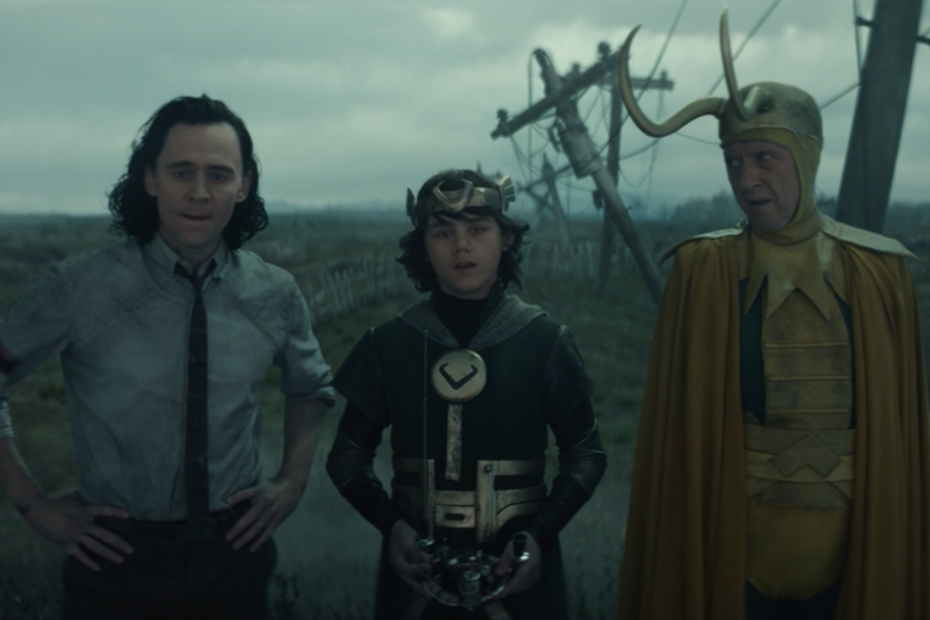
The Good, the Bart, and the Loki
Another exclusive from Disney+ that was released on the day the final episode of the first season of Loki was released is another crossover between Marvel and The Simpsons in which Loki is banished to Springfield. Yet, he creates chaos and mischief with Bart at his side and things definitely go wrong. It is a fun episode though it does bear reminder that The Simpsons is still around even though many have stopped watching the series a long time ago.
Loki (episodes 5 & 6)

While I think WandaVision is the best of the three MCU series so far, Loki is a close second as its strength in character development, character study, visuals, and music score really make it stand on its own. The performances of Tom Hiddleston, Sophia Di Martino, Gugu Mbatha-Raw, Wunmi Mosaku, and Owen Wilson really make the show unique of its own as its ending does lead to a lot of major events of not just setting up what will happen for the next season but also for the MCU as it’s just entering into its 4th Phase and new saga.
Breakaway

Top 5 Re-Watches
1. Moonlight
2. Beverly Hills Cop
3. Walk Hard: The Dewey Cox Story
4. The Devil Wears Prada
5. Ted

Before I bid adieu, I want to express my condolences to the families of Dusty Hill of ZZ Top, Joey Jordison of Slipknot/Murderdolls, Biz Markie, Mike Howe of Metalchurch/Heretic, John Hutchinson who played with David Bowie in the late 60s/early 70s, Jeff Labar and Gary Corbett of Cinderella, and Robby Steinhardt of Kansas. That is a great collection of musical talent that is probably diverse and unmatched in terms of talent as the idea of these individuals taking part of some jam session is a cool idea that came from former Dream Theater drummer Mike Portnay though he didn’t mention Hutchinson. Until then, this is thevoid99 signing off…
© thevoid99 2021

Set in the span of nearly two days in a small Hungarian village during the era of communism, the film revolves around a town during a cold winter as they get an unexpected visit from a mysterious circus whose showcase involves a giant whale and a mysterious figure. It is a film that explore a community of people who are baffled by this massive attraction in the town square as a local is intrigued by what is going on as it only leads to trouble and chaos within the town. The film’s screenplay by Bela Tarr and its novelist Laszlo Krasznahorkai, with additional dialogue from Peter Dobai, Gyuri Dosa Kiss, and Gyorgy Feher, is largely simplistic as it follows a newspaper-delivery man in Janos (Lars Rudolph) who often spends his time talking about the universe and its mystique to drunken patrons at a bar as he’s mystified by this large container arriving into the town square by a tractor as it’s revealed to be a circus with a large whale inside and an appearance from a man claiming to be a prince.
The town’s reaction is also one of intrigue but also a reaction that hasn’t made everyone excited where Janos also deals with family drama involving his composer uncle Gyorgy (Peter Fitz) and aunt Tunde (Hanna Schygulla) as the latter has gained political and social connections through her affair with the police chief (Peter Dobai). Janos finds himself in the middle of social unrest as the town is dealing with problems that is only escalated by the presence of this circus as well as the hype over the appearance of this prince who is never seen as it just adds to a lot of trouble with Janos watching it all.
Bela Tarr’s direction is definitely entrancing as it play into this period in time that is possibly set around the 1980s as it showcases a town that starts to unravel as it is shot on location in Baja, Hungary. With the aid of editor Agnes Hranitzky as the film’s co-director, Tarr would maintain a style that is simplistic where shots would linger for a long time as the film only contains 39 long-standing shots throughout the film’s 145-minute running time. Many of these shots often go on for minutes as it play into the settings and places that Janos go to as the opening shot that goes on for 10 minutes has Janos dancing with drunken patrons to explain the mystiques of the universe as the camera often showcases everything through a wide and medium shots during the course of this scene. With Hranitzky’s editing as she would create abrupt yet straightforward cuts to transition one scene to another, Tarr maintains that minimalist approach where the camera is often following characters through tracking shots including Janos walking around the town as he observes everything around him including the second act where this growing unrest at the town square starts to escalate.
Tarr also play into this idea of who the prince is as he’s an unseen character that is considered a radical who spouses rhetoric that leads to this 12-minute sequence in 2 shots with nearly 8 minutes devoted to the action in a psychiatric hospital where the locals just go nuts and destroy everything including assaulting hospital patients until they’re stopped by something that is indescribable as it forces these people to come to their senses. It is followed by events where Tarr showcases a world that is becoming undone with Janos in the middle as he sees horror and some revelations about what is happening that he had been oblivious to. Its ending with a 5-minute running time for its final shot is a reflection of the chaos that occurred with this whale being a symbol of disruption but also sadness of what this whale could’ve brought if people were more understanding instead of following some drunken fool. Overall, Tarr crafts a majestic yet harrowing film about a Hungarian town unraveling by the presence of a mysterious circus.
Cinematographers Milos Gurban, Erwin Lanzensberger, Gabor Medvigy, Emil Novak, Patrick de Ranter, Rob Tregenza, and Jorg Widmer do incredible work with the film’s black-and-white photography with its usage of shadows and lights for many of the exterior scenes at night as well as the usage of available light for the scenes in the day as it adds to this element of nostalgia but also bleakness to the film. Set decorators Sandor Katona, Zsuzsa Mihalek, and Bela Zsolt Toth do amazing work with the look of the bar in the film’s opening scene as well as the container where the circus is presented that includes the giant whale designed by Ivan Poharnok that is massive and almost life-like. Costume designer Janos Breckl does nice work with the costumes as it is mostly casual and ragged as it play into the period of the winter time.
Sound designer Gyorgy Kovacs does brilliant work with the way much of the recorded sound is presented including the hospital scene as the layer of sounds just add to the sense of terror in the film. The film’s music by Mihaly Vag is incredible for its rich and somber orchestral score with some melancholic piano themes that play into the air of intrigue of the whale but also the despair that looms throughout the town.
The film’s superb ensemble cast feature some notable small roles from Peter Dobai as the drunken police chief whom Tunde is having an affair with, Ferenc Kallai as the circus master who presents the whale to the people and claims of a prince to emerge, Alfred Jarai as Janos’ cobbler uncle Lajos, Iren Szajki as Lajos’ wife, and the trio of Janos Derzsi, Doko Rosic, and Tamas Wichmann as the three drunk men who take part in Janos’ universal dance. Hanna Schygulla is fantastic as Janos’ aunt Tunde as Gyorgy’s estranged wife who has gained political and social connections as she does what she can to clean things up but also with some ulterior motives for herself as it would later cause problems.
Peter Fitz is excellent as Janos’ uncle Gyorgy as a music composer and musicologist who wants nothing to do with politics as he’s aware of his estrangement from his wife where he finds himself having to be involved as it relates to Janos. Finally, there’s Lars Rudolph in an amazing performance as Janos as a newspaper deliveryman who is fascinated by the mysteries of the world including the universe and God as he deals with the chaos around him as he also ponders about the presence of this circus that is at the center of everything.
Werckmeister harmoniak is a tremendous film from Bela Tarr and Agnes Hranitzky. Featuring ravishing visuals, a minimalist presentation, haunting performances, an eerie music score, and allegories on political and social turmoil that bears a lot relevance to events in the 21st Century. It is a film that explores a small town that unravels by the presence of something mysterious that eventually play into the worst aspects of themselves during a tumultuous period in the era of Communist Hungary. In the end, Werckmeister harmoniak is a spectacular film from Bela Tarr and Agnes Hranitzky.
Bela Tarr Films: (Family Nest) – (The Outsider (1981 film)) – (The Prefab People) – (Macbeth (1982 TV film)) – (Almanac of Fall) – (Damnation) – Satantango - (The Man from London) – The Turin Horse
© thevoid99 2021
(Winner of the Best Director Prize to Pawel Pawlikowski at the 2018 Cannes Film Festival)

Set from 1949 to 1964 in Europe, the film revolves around two people who fall for each other as they embark on a tumultuous relationship as they deal with the growing social and political changes in their home country of Poland. It is a film that explore this relationship between these two people who have a love for music as they would later become collaborators yet they would often separate due to political forces beyond their control. The film’s screenplay has a straightforward narrative as much of its first act is set during 1949 Poland where a musician in Wiktor (Tomasz Kot) is traveling through the country to record a lot of the folk music with his colleague Irena (Agata Kulesza) where they would discover a singer in Zula (Joanna Kulig), who has disguised herself as a peasant to get an audition, who is on probation after assaulting her abusive father. Wiktor and Zula become attracted to another as it gets the attention of an official in Kaczmarek (Borys Szyc) who has them take part in pro-Stalinist performances that Wiktor doesn’t like.
The second act play into Wiktor and Zula’s separation with the former having made a career as a musician in Paris while Zula lives in Poland only going to other places due to permission from Kaczmarek as they spend part of the mid-1950s trying to get together in Yugoslavia and Paris despite being with other people. When Zula marries an Italian man as a way to get a visa and see Wiktor, their love affair resumes but things become complicated due to the other lovers they have while Wiktor tries to create a singing career for Zula. The script play into these two people who love each other yet it also showcases a world that is often complicated not just in Paris but also in Poland as it showcases two people who are often hampered by many things around them.
Pawel Pawlikowski’s direction is definitely stylish in its approach to the story as it is shot in black-and-white and in 1:33:1 aspect ratio on various locations in Poland as well as parts of Paris, Berlin, and Croatia with the latter playing the role of old Yugoslavia. Through the usage of the full-frame aspect ratio, Pawlikowski maintains this air of nostalgia into the images of Poland coming out of World War II during its post-war period as there are wide shots including scenes of some of the music presentation from the Polish theatre troupe that Zula is a part of as was Wiktor early in the film. Much of Pawlikowski’s direction does emphasize on intimacy and mood through medium shots and close-ups as well as these striking compositions of a certain location or the way he places his actors in that location. Pawlikowski does create these moments that include some lingering long shots as well as a few tracking shots as a way to capture the atmosphere of these scenes.
Pawlikowski also play up this sense of political and social tension as the film’s second act that sets largely in Paris play into not just Zula’s own sense of alienation as she prefers to be in Poland but also the fact that she had the chance to leave with Wiktor but ended up staying in Poland when they both were in Berlin the night Wiktor chose to leave Poland that ended the film’s first act. The film’s third act doesn’t play into this sense of longing but also some of the faults of the world that Wiktor had chosen to live in as it showcases the decisions he’s making as it is all based on love. Even as he and Zula are forced to make compromises to be together as it showcases the many complications and forces that puts two people in the middle of the Cold War. Overall, Pawlikowski crafts a ravishing and evocative film about two Polish people who maintain a tumultuous relationship amidst the backdrop of the Cold War.
Cinematographer Lukasz Zal does phenomenal work with the film’s black-and-white cinematography as it adds to film’s gorgeous look as well as how it uses shadows and light for the interior/exterior scenes at night along with some interior scenes in the day as it’s a highlight of the film. Editor Jaroslaw Kaminski does brilliant work with the editing as it is largely straightforward while creating these abrupt straight-to-black cuts as a way to play into transitions as it gives the film its episodic tone. Production designers Katarzyna Sobanska and Marcel Slawinski do amazing work with the look of some of the places in Poland that Zula and Wiktor go to as well as the latter’s Parisian apartment and the nightclub where plays in a jazz group.
Costume designer Waldemar Pokromski does fantastic work with the costumes from the peasant costumes in some of the stage shows that Zula is a part of as well as the more jazz-like clothing that she and Wiktor would sport when they’re in Paris. The sound work of Maciej Pawlowski and Miroslaw Makowski is superb as it play into the atmosphere of the locations as well as how jazz music sounds in a club or how a grand music presentation for the government is presented in a ballroom. The film’s music soundtrack largely consists of folk, orchestral, and jazz music as it all play into the world that Zula and Wiktor encounter.
The film’s casting by Estelle Chailloux and Magdalena Szwarcbart is incredible as it feature some notable small roles from Adam Woronowicz as a consul in Paris, Adam Ferency as a minister in Poland, Cedric Kahn as a film producer in Michel who gives Wiktor work in film scores but also takes an interest in Zula as a singer, Jeanne Balibar as a lover of Wiktor in Juliette who is a poet and writes the lyrics to the songs that Zula sings, and Agata Kulesza as Irena as a colleague of Michel who helps him find folk music and singers as she also choreographs the stage presentation. Borys Szyc is incredible as the political official Kaczmarek as a career-driven man who watches over Wiktor and Zula’s activities as he would take hold on the latter while being cautious yet friendly towards the former as he isn’t a total villain but a man of ambition.
Finally, there’s the duo of Joanna Kulig and Tomasz Kot in tremendous performance as Zula and Wiktor. Kot’s performance as the musician/musical director who finds singers and musicians to present for the government where he deals with the many changes that stifles his creativity where Kot provides this air of restraint as a man that just wants to make music but also fall in love as he deals with the chaos of the politics and social climate of the times. Kulig’s performance as Zula is filled with a lot of energy but also a melancholia of a woman that is just eager to be loved and feel included yet contends with the turmoil of the politics of Poland and the social circles in Paris as it adds to this alienation as she is forced to choose one instead of the other to maintain her love for Wiktor.
Zimna wojna is an outstanding film from Pawel Pawlikowski that features great performances from Joanna Kulig and Tomasz Kot. Along with its supporting cast, ravishing visuals, its look on the social and political changes in Europe following World War II, and a rich music soundtrack. The film is a fascinating and riveting love story that plays into two people who are dealing with a chaotic world around them and their desire to be with one another. In the end, Zimna wojna is a magnificent film from Pawel Pawlikowski.
Pawel Pawlikowski Films: (Last Resort (2000 film)) – My Summer of Love - (The Woman in the Fifth) – Ida (2013 film)
© thevoid99 2021
(Winner of the Palm Dog Award to Einstein at the 2017 Cannes Film Festival)

The film follows the lives of a family whose patriarch is a famous sculptor in the twilight years of his life while his fame and modest success has managed to overshadow his three children who all cope with their own disappointment towards themselves and not living up to his fame. It’s a film that takes a simple premise of family dysfunction as three adult siblings cope with their own lives as they all have to tend to their father who is starting to go through health issues but also unruly behavior in the way he reacts toward certain things. Noah Baumbach’s screenplay has a structure that does focus on these three siblings but also one of the sibling’s kids who has just entered college as it showcase not just trying to cope with the family patriarch but also themselves. The eldest in Danny (Adam Sandler) had just split up from his wife as he’s in New York City taking his 18-year old daughter Eliza to Bard where she is planning to study film while Danny is moving in with his father in Harold Meyerowitz (Dustin Hoffman) and hippy stepmother Maureen (Emma Thompson).
Also at the home is his younger sister Jean (Elizabeth Marvel) who is spending time to help out her father following an injury he suffered involving the dog while Maureen often goes away for seminars only to come back drunk. Danny and Jean are upset to learn that Maureen is planning to sell the family home as well as some of Harold’s art work with their younger half-brother Matthew (Ben Stiller) handling all of the finances. The unemployed Danny and Jean agree to create a retrospective at the Bard for Harold following an event for Harold’s old friend L.J. Shapiro (Judd Hirsch) where Danny reunited with his childhood friend in Shapiro’s daughter Loretta (Rebecca Miller). Yet, that event would prompt some issues from Harold who is jealous towards Shaprio’s success claiming that Shapiro is mediocre compared to himself. The section on Matthew who visits New York City from Los Angeles where he is starting his own accounting business deals with the fact that his own success doesn’t really impress his father as it also causes resentment from his half-siblings whom he is convinced are damaged because of their father. When Harold becomes ill due to the injuries he had sustained some time earlier, the siblings and Eliza deal with the possibility of his impending death as the script also showcase dialogue where Baumbach often have characters talking over one another as it play into the dysfunction of themselves and relationship with one another.
Baumbach’s direction does have some style yet much of his compositions are straightforward as much of the film is shot on location in New York City as well as areas upstate with Sarah Lawrence College playing the role of Bard. Baumbach does use wide shots that do play into some of the locations but much of his compositions emphasize on close-ups and medium shots to play into the interaction between the characters in the film. Notably as there are these elements that feel loose such as the first scene of Danny trying to find an open parking spot as he and Eliza are about to meet Harold as Baumbach also play into some of the awkwardness that is happening that includes some of the strange cuisine that Maureen has created. Baumbach’s approach to humor doesn’t play into these sexually-provocative student films that Eliza has created for her film class but also in the way the siblings react to a situation involving their father such as a scene of Matthew trying to go after a man who had mistakenly taken Harold’s coat.
Baumbach also plays into these moments of tension as it relates to Matthew’s absentee presence as it showcases a man who is still dealing with the fact that he has issues with his dad while his mother Julia (Candice Bergen) who was Harold’s third wife feels guilty over the way she treated Danny and Jean. The scenes in the second half as it relates to Harold being hospitalized and the idea of him dying does come into play where Jean does reveal a harrowing story of what happened to her as a teenager in relation to a friend of Harold a long time ago. It is followed by a moment of comical bonding for Danny and Matthew yet it would be followed by the two going to their father’s retrospective with Jean and Eliza as it showcases the pain that their father caused towards them. The film’s chapters emphasize on Danny, Matthew, Harold’s health, Jean’s story, and a final chapter on Harold’s fate but also the future that is Eliza. Yet, its ending is about these three siblings as they try to cope with their father’s shadow and how they would break out of it. Overall, Baumbach crafts a funny yet somber film about a family coping with the disappointments of their lives and the emotional chaos laid upon them from their father.
Cinematographer Robbie Ryan does brilliant work with the film’s cinematography to capture the autumn-like season of New York City and areas upstate including Massachusetts for the scenes at the hospital while maintaining some low-key lights for some of the interior scenes at night. Editor Jennifer Lame does excellent work with the editing as its usage of jump-cuts help play into some of the film’s emotionally-intense scenes along with some stylish cuts for Eliza’s student films. Production designer Gerald Sullivan, with set decorator Kris Moran and art director Nicolas Locke, does fantastic work with the look of the home that Harold and Maureen have in the city as well as Maureen’s country home upstate as it is filled with all sorts of things including the former’s art work. Costume designer Joseph G. Aulisi does amazing work with the costumes from some of the clothes that Eliza wears to the strange and hippie clothing of Maureen.
Special effects supervisor Jeff Brink and visual effects supervisor Andrew Lim do terrific work on some of the film’s minimal effects that mainly is featured in some of Eliza’s student films. Sound editor Paul Hsu does superb work with the sound in some of the sound effects that are created for Eliza’s student films but also in being straightforward of the way a gathering sounds like or how things sound in a location such as Matthew talking to his son on the phone while at a gas station. The film’s music by Randy Newman is wonderful with its low-key yet piano-based score that plays into some of the film’s melancholia with some string-based pieces in some of the dramatic moments while Britta Phillips and Dean Wareham provide some offbeat music pieces for Eliza’s student films. Music supervisor George Drakoulias creates a fun soundtrack that features music from Lisa Lisa & Cult Jam with Full Force, Cameo, Prefab Sprouts, and a few classical pieces and some original songs written by Adam Sandler and Noah Baumbach.
The casting by Douglas Aibel and Francine Maisler is incredible as it feature some notable small roles and appearances from Sigourney Weaver as herself at Shapiro’s retrospective, Josh Hamilton as a friend of Loretta at the Shapiro retrospective, Danny Flaherty as Eliza’s boyfriend Marcus, Sakina Jeffrey as Dr. Malina Soni who watches over Harold, Gayle Rankin as the nurse Pam that also watches over Harold, Jerry Matz as an old friend of Harold in Paul whom Jean dislikes, Mickey Sumner as an attendee of Harold’s retrospective at Bard that Matthew becomes attracted to, Matthew Shear as Matthew’s colleague Gabe who tries to help out in handling Harold’s financial situations, and Adam Driver in a terrific one-scene performance as a client of Matthew’s in Randy who trying to get his dream apartment made despite the lack of finances he has. Candice Bergen is fantastic in her one-scene appearance as Matthew’s mother and Harold’s third wife Julia who hadn’t seen Harold in years while laments over the way she treated Danny and Jean feeling she only made things worse for them.
Judd Hirsch is excellent as L.J. Shapiro who is an old friend of Harold who is the embodiment of what Harold could’ve been if he wasn’t much of a prick yet Hirsch is someone who often praises Harold and his work feeling that Harold should’ve gotten more recognition. Rebecca Miller is brilliant as Shapiro’s daughter Loretta who is also an old childhood friend of Danny as the two reminisce about their childhood and being the children of artists as it prompts Danny into wanting to renew a relationship with her. Emma Thompson is amazing as Harold’s fourth wife Maureen as an alcoholic artist who often wears hippie-like clothing and cooks strange feasts as she is someone who believes she has a lot in handling Harold’s financial and health situations despite the fact that she’s kind of a flake though she does mean well.
Grace Van Patten is incredible as Eliza Meyerowitz as Danny’s daughter who is about to go to Bard to study film as she creates these sexually-provocative student films while lamenting over the idea of she can make it as an artist like her grandfather. Elizabeth Marvel is remarkable as Jean Meyerowitz as a woman who works for Xerox as she never showed any ambition while spending much of her time taking care of her father while eventually sharing a secret when she was a teenager that would shock her brothers and becoming a muse for Eliza. Dustin Hoffman is marvelous as Harold Meyerowitz as moderately-successful artist who laments over his lack of major success but also has this attitude where he thinks he’s better than many yet he is a fucking prick when it comes to his kids where he does make them feel terrible as it is one of Hoffman’s great performances.
Ben Stiller is great as Matthew Meyerowitz as the youngest of Harold’s three kids and half-sibling to Jean and Danny as someone who has found success through business and accounting while dealing with the fact that his success doesn’t mean much to his father and often brings a lot of insecurities towards his siblings whom he felt never had the chance to connect with. Finally, there’s Adam Sandler in a phenomenal performance as Danny Meyerowitz as the eldest of the three siblings as an unemployed man that was once a gifted musician but quit due to his insecurities as he copes with an unresolved limp and trying to take of his father as well as the lack of connection he has with his siblings as it is a somber yet charming performance from Sandler.
The Meyerowitz Stories (New and Selected) is a sensational film from Noah Baumbach. Featuring a great ensemble cast with standout performances from Adam Sandler, Ben Stiller, Dustin Hoffman, Elizabeth Marvel, Grace Van Patten, and Emma Thompson, insightful and witty observation on family dysfunction and art, gorgeous visuals, and a terrific music score from Randy Newman. It is a rich and compelling film that explores family dysfunction as well as the idea of a family who are dealing with man’s legacy who is filled with complications and their own shortcomings but also themselves as they try to find ways to be together. In the end, The Meyerowitz Stories (New and Selected) is a spectacular film from Noah Baumbach.
Noah Baumbach Films: Kicking and Screaming (1995 film) - Highball - Mr. Jealousy - The Squid & the Whale - Margot at the Wedding - Greenberg - Frances Ha - While We're Young - Mistress America - De Palma - Marriage Story - (White Noise (2022 film)) - The Auteurs #41: Noah Baumbach
© thevoid99 2021
(Played in Special 70th Anniversary Events Section at the 2017 Cannes Film Festival)

The film is essentially 24 stills based on the photographs of Abbas Kiarostami where it showcases what happens before and after where each shot is presented for four-and-a-half minutes as they come to life. It is a film that takes a simple premise of Kiarostami’s love of photography and digital filmmaker as it meshes into one where these 24 shots play into that love as if the photos come to life. With the exception of the first shot of the film in a recreation of Pieter Brueghel the Eldger’s painting Hunters in the Snow, the 23 other shots in the film are all recreations of sorts of Kiarostami’s own photographs through animation and visual effects. The recreation of Hunters in the Snow shows exactly what to expect as flurries of snow emerged with animals in the painting starting to move, smoke coming out of chimneys, and a dog is sniffing around the tree. Many of the images that Kiarostami presents are essentially landscapes set either in the snow, the ocean, or on a rainy day.
With the aid of cinematographers Dariush Gorji Zadeh, Peyman Solhi, Delaram Delashob, and Yousef Khoshnaghsh as well as the work of visual effects supervisor Ali Kamali, Kiarostami creates these scenes of nature with some hand-drawn animation of animals or in digital animation where it helps play into the beauty of what one does in taking a photograph. There are also actors that would appear such as a shot of a family looking at the Eiffel Tower as they would stand still while people are walking in the foreground including a musician singing a song. The sound work of Ensieh Maleki adds to the atmosphere of these images as it play off on natural soundscapes in those environments as well as the way animals sound. There are some music that is played as the soundtrack largely consists of classical and operatic pieces along with a folk piece for the Eiffel Tower section.
The emphasis on minimalism and simplicity is what makes the film interesting to watch as each shot ends in a fade-to-black with the exception of sorts for the final shot of the film. It all play into Kiarostami’s idea of what he sees in a photograph or in an image and how much life it has. Even in something like a group of sheep huddling together around a tree or cows walking on the beach while one of them is lying on the sand. Much of the shots are presented in black-and-white with a few in color as it adds to the beauty of the visuals but also ideas about the simplicity of life. Even in something that could be considered banal but for four-and-a-half-minutes of these 24 frames, Kiarostami creates something that is fitting about his views on life and tells it with such grace and beauty.
24 Frames is a sensational film from Abbas Kiarostami. It is a film that doesn’t try to be anything but a straightforward experimental film that plays into the meshing of film and photography to display about the joys and simplicity of life. As a final piece of work for Kiarostami, it is a fitting way for the filmmaker to go out on his own terms and in a somber and graceful manner. In the end, 24 Frames is an incredible film from Abbas Kiarostami.
Abbas Kiarostami Films: (The Experience) – The Traveler (1974 film) - (A Wedding) – The Report (1977 film) - (First Case, Second Case) – (Fellow Citizens) – (First Graders) – Where is the Friend's House? - Homework (1989 film) - Close-Up - Life, and Nothing More... - Through the Olive Trees - Taste of Cherry - (The Wind Will Carry Us) – (ABC Africa) – (Ten (2002 film)) – (Five (2003 film)) – (10 on Ten) – (Shirin) – Certified Copy - Like Someone in Love
© thevoid99 2021
For the 29th week of 2021 as part of Wandering Through the Shelves' Thursday Movie Picks. We go into the theme of summer break as summer is the time for family vacations and a need to get away from the insanity of life. Here are my three picks:
1. Summer Rental

2. One Crazy Summer

3. White Water Summer

© thevoid99 2021
(Winner of the Jury Prize at the 2016 Cannes Film Festival)

The film revolves around the journey of an 18-year old woman who lives in a poor and dysfunctional family with kids whom she isn’t related to until she meets a young and charismatic salesman who is part of a gang of misfits selling magazines to people all over the country as she joins them on the road. It is a film with a simple premise as it explores this young woman from a poor and abusive environment who takes this job to go on the road and sell magazines with a band of misfits who are also from poor environments as a way to make money and have a good time. Andrea Arnold’s screenplay, which is based on a New York Times article by Ian Urbania, explores this culture where these kids are dropped off in sections of rich neighborhoods trying to sell magazines and make some money while displaying their sales to a boss who is only concerned with making money.
The main character named Star (Sasha Lane) is someone that lives in a home with two kids who are her half-siblings to a father who is sexually abusive as they barely can live through scraps. During a dumpster dive to find food and get a few things at a nearby Kmart, Star encounters this group of young kids wreaking havoc as they’re lead by this young man named Jake (Shia LaBeouf) who offers Star a chance to go on the road with him. She meets an assortment of people as she rides on a van where they’re taken to a destination and running the whole thing is Krystal (Riley Keough) who oversees all of the sales and slips as she has Jake take Star under his wing to train her. Yet, an attraction between Star and Jake start to unfold due to the former’s approach to getting a lot of money made yet Krystal is wary about this relationship as it starts to affect the work of the latter. The script also play into these locations that is the American Midwest and areas that are rich and poor where Star is selling magazines as she would make money through her own ways but also do things that would create tension between her, Jake, and Krystal.
Arnold’s direction is entrancing for the way she captures the world of the American Midwest as it is shot on various locations in Oklahoma, Iowa, Kansas, Missouri, Nebraska, and North Dakota with some of its cities such as Kansas City and Omaha being major locations in the film. Shot on the 4:3 full-frame aspect ratio, Arnold maintains intimacy through the framing while playing to the visual splendor of these different locations that these characters are venturing into. The usage of hand-held cameras is prevalent throughout the film while Arnold knows when to use wide and medium shots for these scenes set in certain locations. The aspect ratio also plays into the claustrophobic and cramped tone of the van’s interior where many of the young kids including Star often ride in from location to location as there is an air of excitement of this next location as kids sing along to songs that is on the radio and such. Arnold’s direction also has this sense of looseness through the usage of hand-held cameras as well as a realism as everything is done on the fly in the way Star would interact with people and how she would get a sale made.
Some of which would involve having her do things she’s not comfortable with but there are moments that prove to be heartfelt where she converses with a truck driver (Bruce Gregory) as it shows that Star isn’t willing to compromise her humanity to make a sale like everyone else has to do. Despite the money she makes, she still gets disapproving looks from Krystal while Jake becomes possessive towards her as some revelations occur during the film’s third act as it relates to Jake’s role that makes Star uneasy. It all plays into a cycle for these young kids who all play a role for a young woman who does what she can to make money as the third act also show how low Krystal would push her crew to make sales. Its ending is an open-ended one as it play into not just Star’s future but also these kids who don’t know what is going to happen to them as they all do what they can to just live. Overall, Arnold crafts a rapturous and intoxicating film about an 18-year old girl joining a band of misfits on a road trip to sell magazines and much more to live the American dream.
Cinematographer Robbie Ryan does incredible work with the film’s cinematography as its emphasis on natural lighting and using available light for scenes at night add to the film’s realistic tone while maintaining a sense of beauty into the photography. Editor Joe Bini does amazing work with the editing with its stylish usage of jump-cuts to play into the energy of some of the music heard on location as well as play into the chaos of the lifestyle of these kids. Production designer Kelly McGehee, with set decorator Graham Wichman and art director Lance Mitchell, does excellent work with the look of the van as well as some of the motels and homes the kids would live in as well as the homes of some of the people they try to deal with. Costume designer Alex Bovaird does fantastic work with the costumes as it has a sense of style that play into the lives of these young kids as they largely wear baggy or skimpy clothing depending on how they present themselves to the people they’re trying to sell magazines to.
Makeup designer Anouck Sullivan does nice work with the look of Star and Krystal with the former looking natural and sometimes putting stickers on her face while the latter is often seen sporting lots of makeup as a form of power play. Sound editor Nicolas Becker does brilliant work in capturing much of the recorded material as well as the way conversations would sound inside the van or how music is played on location. Music supervisor Simon Astall does superb work with the film’s music soundtrack as it largely features a lot of the music of the late 2010s that kids listen to ranging from hip-hop and country as it features music from Juicy J featuring Wale and Trey Songz, Quigley, Rhianna with Calvin Harris, MadeinTYO, Sam Hunt, Lee Brice, Kevin Gates, Jeremih, E-40, Ciara featuring Ludacris, Rae Sremmund, Carnage featuring Migos, Lapsley, OG Maco, Raury, and Lady A as well as pieces from Steve Earle, Mazzy Star, Bruce Springsteen, and the Raveonettes.
The casting by Lucy Pardee and Jennifer Venditti is marvelous as it features an ensemble cast of non-actors, unknowns, and up-and-comers in some notable small roles that include Johnny Pierce II as Star’s sexually-abusive father Nathan, Brody and Summer Hunsaker in their respective roles as Star’s step-siblings Rubin and Kelsey, Chastity Hunsaker as Rubin and Kelsey’s neglectful stepmother, Bruce Gregory as a truck driver that Star befriends and sings a Suicide song covered by Bruce Springsteen, Laura Kirk as a Christian housewife whose daughter is doing sexually-provocative dance moves in front of Jake and Star during a sale, and Will Patton as a man that Star wins over to buy her magazines. The performances of the following in Veronnikah Ezell, Christopher David Wright, Shawna Rae Moseley, Dakota Powers, Isaiah Stone, Raymond Coalson, Kenneth Kory Tucker, Garry Howell, Chad McKenzie Cox, Crystal B. Ice, McCaul Lombardi, and Arielle Holmes are incredible as these young kids who become friends with Star as they have this charisma and energy about them as it adds to the realism of their performances as they are a highlight of the film.
Riley Keough is excellent as Krystal as the business manager and organizer of this rag-tag group of kids trying to sell magazines as she is someone that knows a lot on what to do but is also cruel in what she does to the young kids at times with a bigger disdain towards Star who she sees as a threat in getting Jake’s attention. Shia LaBeouf is brilliant as Jake as a veteran salesman with a rattail hairstyle that play into his unconventional presentation yet is someone that has charisma but also a dark side to him in the way he becomes possessive towards Star as well as be someone that is immoral at times in the way he tries to sell magazines to people. Finally, there’s Sasha Lane in a phenomenal performance as Star as an 18-year old kid from the white trash area of Oklahoma trying to find herself and meaning in her young life as she goes on the road with this band of misfits where she learns how to be salesperson but also find ways to make some good money but also maintain some morality and dignity. Lane also maintains this air of tenderness but also someone that is always having fun but also can do so much when she doesn’t say anything as it is a tremendous breakthrough performance from Lane.
American Honey is a tremendous film from Andrea Arnold that features an incredible discovery in Sasha Lane. Along with its ensemble cast, dazzling visuals, an emphasis on realism and grit, an eclectic music soundtrack, and its themes of trying to find identity and hope in the idea of the American dream. The film is truly an astonishing portrait of the American life as it explore a group of people who live on the fringes of society trying to do things their own way but also deal with this sense of the unknown in a world that is often ever-changing. In the end, American Honey is a magnificent film from Andrea Arnold.
Andrea Arnold Films: Red Road - Fish Tank - Wuthering Heights (2011 film) - Cow (2021 film) - Bird (2024 film) - (Featherwood) – The Auteurs #31: Andrea Arnold
© thevoid99 2021