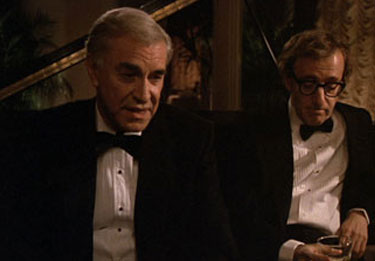
Showing posts with label anjelica huston. Show all posts

Saturday, July 11, 2020

John Wick: Chapter 3-Parabellum


Directed by Chad Stahelski and screenplay by Derek Kolstad, Shay Hatten, Chris Collins, and Marc Abrams from a story by Kolstad, John Wick: Chapter 3-Parabellum is the third film in the John Wick series that has the titular character going on the run as a $14 million bounty is placed on his head to due to events that he created. The film explores a man who was once considered the finest assassin as he is now hunted over an incident that pushed him to the edge as Keanu Reeves reprises his role as the titular character. Also starring Ian McShane, Laurence Fishburne, Marc Dacascos, Asia Kate Dillon, Lance Reddick, Anjelica Huston, and Halle Berry as Sofia. John Wick: Chapter 3-Parabellum is a rapturous yet exhilarating film from Chad Stahelski.

After breaking a taboo at the Continental Hotel in New York City and with a $14 million bounty on his head that increases, the film revolves around the infamous assassin who goes on the run as he also tries to find help with many reluctant to do so in fear that they would be destroyed by the High Chair. It’s a film with a simple premise as it plays into a man being hunted by the people he used to work for as he tries to find some form of redemption for his actions although it’s not an easy thing to do to win over the elders of the High Chair. The film’s screenplay doesn’t have much of a plot as it’s more about the sins of John Wick and how he survives being hunted as he also uses a few sacred objects to get help and reach those in the High Chair. Yet, even those who had helped him in the past like Continental Hotel manager Winston (Ian McShane) and the Bowery King (Laurence Fishburne) are both in trouble with the High Chair who send the Adjudicator (Asia Kate Dillon) to handle the situation as the director of the Ruska Roma (Anjelica Huston) is forced to take punishment in order to maintain her loyalty to the High Chair. Another ally of Wick who reluctantly helps him is Morocco’s Continental Hotel manager Sofia as a way to repay a favor that he did for her years ago.

Chad Stahelski’s direction is stylish as it picks up just a few hours after the events of the previous film where Wick and his dog both are on the run during a rainy night in New York City as it establishes the limited amount of time Wick has where he would be officially declared excommunicated. Shot on location in New York City and parts of Morocco, the film does play into a man on the run as he is trying to survive and figure out his next move. Stahelski’s usage of the wide and medium shots don’t just establish some of the locations that Wick is in but also this underworld that involves the Continental and the High Chair where Wick used to be a part of as it had its own set of rules. Stahelski also establishes what is going on as he definitely takes his time to showcase what is happening whenever Wick is fighting someone where he also uses a few long shots to play into the brutality of the action.

Stahelski also knows when to take a break from the action as it relates to the drama that Wick had caused where Winston and the Bowery King are given a week to settle their affairs as the latter finds fault about the rule of the High Chair leading him into some serious trouble with the Adjudicator and her hired assassin named Zero (Marc Dacascos). Yet, Zero is someone who is an admirer of Wick as he sees him as a true warrior where things become complicated in the eventual showdown in the third act where Wick returns to New York City with a task that he must do yet it would be at great cost of what he had already lost. Yet, it would have a chilling aftermath into not just the many flaws of the High Chair and those in power but also Wick’s revelations about the oath he had taken years ago as an assassin and then walking free for a life of his own. Overall, Stahelski crafts a gripping and intense film about an assassin becoming hunted over a taboo that he broke in the criminal underworld.

Cinematographer Dan Laustsen does incredible work with the film’s cinematography with its stylish usage of lights for many of the scenes set at night along with the usage of greyish colors for some of the daytime exterior scenes in New York as well as a naturalistic look for the scenes in Morocco. Editor Evan Schiff does amazing work with the editing as it emphasizes a lot on style but it also has a rhythm in its approach to the action while allowing shots to linger to establish what is going on as it is a major highlight of the film. Production designer Kevin Kavanaugh, with set decorators Letizia Santucci and David Schlesinger plus supervising art director Chris Shriver, does brilliant work with the look of Winston’s glass office at the Continental and its vault as well as the look of the High Chair elder’s tent home. Costume designer Luca Mosca does fantastic work with the look of the black suit that Wick wears as well as the stylish look of the Adjudicator and the robe that Sofia wears.

Hair designer Kerrie Smith and makeup designer Stephen Kelly do terrific work with the look of some of the characters as well as the tattoos many in the underworld wear to play into the gritty world they live in. Special effects supervisor Steven Kirshoff, along with visual effects supervisors Robert Nederhorst and Rafa Solorzano, does excellent work with not just the special effects that occur in the action but also in the visuals as much of the visual effects are used as set dressing but also help maintain the atmosphere for the film’s visuals. Sound designers Luke Gibleon, Alan Rankin, and Martyn Zub, with sound editor Mark P. Stoeckinger, do superb work with the sound in capturing the atmosphere of the locations as well as the sounds of gunfire and other noises that occur in the cities or in a room. The film’s music by Tyler Bates and Joel J. Richard is wonderful for its usage of pulsating and brooding electronics with some heavy string arrangements that help play into the suspense and drama while music supervisor Kevin J. Edelman provides a soundtrack that mixes elements of classical music pieces along with some rock and electronic music cuts.

The casting by Salah Benchegra, Marisol Roncali, and Mary Vernieu is marvelous as it feature some notable small roles from Boban Marjanovic as a tall hitman Wick fights at a library, Randall Kim Duk as a doctor that Wick knew as he reluctantly helped before Wick’s official declaration of being excommunicated, Jason Mantzoukas as one of the Bowery King’s men, Cecep Arif Rahman and Yayan Ruhian as a couple of Zero’s students who also admire Wick, Jerome Flynn as Sofia’s former boss Berrada who does something wrong to Sofia to get into trouble with her and Wick, Tobias Segal as a hitman who works for the Bowery King, and Said Taghmaoui as the High Chair Elder as a mysterious figure who gives Wick another chance but with a major price for Wick. Anjelica Huston is fantastic as the Director as a woman who runs a Russian mob outfit as she reluctantly gives Wick a chance to leave New York City but would pay a price for her actions. Lance Reddick is superb as the Continental Hotel concierge Charon who is kind of the film’s conscience as he would also keep an eye on Wick’s dog when he leaves the city.

Asia Kate Dillon is excellent as the Adjudicator as a spokesperson for the High Chair who oversees what is going on as she makes some moves in order to get those affiliated with Wick punished. Marc Dacascos is amazing as Zero as a Japanese assassin who works at a sushi shop in NYC as he is hired by the Adjudicator to find and kill Wick although he’s a fan of Wick’s work from the past as he also sees himself as an equal as he gives Wick the chance to fight man-to-man as an act of honor. Laurence Fishburne is brilliant as the Bowery King as an underworld crime boss who aided Wick in the past as he is aware of what he did but finds himself at odds with the people at the High Chair. Ian McShane is incredible as Winston as the manager of the Continental Hotel in New York City as he deals with his decision to atone for his actions in aiding Wick or to defy the High Chair as he is a man who is just trying to survive and do what he does best.

Halle Berry is phenomenal as Sofia as a former assassin who runs the Continental Hotel in Morocco as she is an old friend of Wick who isn’t eager to see him but does owe him a favor for what he did for her as she reluctantly helps him only to realize the extremes of the High Chair prompting her to team up with Wick for a brief period of time. Finally, there’s Keanu Reeves in a sensational performance as the titular character as a once revered and feared assassin who is now on the run with a massive bounty on his head as he copes with being the hunted as he also tries to atone for his actions but then questions what he’s giving up as it this chilling yet intense performance from Reeves.

John Wick: Chapter 3-Parabellum is a spectacular film from Chad Stahelski that features a great performance from Keanu Reeves in the titular role as well as an incredible supporting appearance from Halle Berry. Along with its ensemble cast, gorgeous visuals, hypnotic score, and intense yet visceral action and fighting. The film is definitely an action-suspense film that has a lot of thrills but also a study of a man being hunted for his actions while trying to figure out what to do next as his back is against the wall. In the end, John Wick: Chapter 3-Parabellum is a tremendous film from Chad Stahelski.

Related: John Wick - John Wick: Chapter 2 - John Wick Chapter 4 - (Ballerina (2024 film))

© thevoid99 2020

Tuesday, March 08, 2016

Art School Confidential


Directed by Terry Zwigoff and written by Daniel Clowes that is based on his comic book series, Art School Confidential is the story of a young artist who enters a prestigious art school where he deals with snobbish students, untalented teachers, and all sorts of people while falling for a young model. The film explores the world of art school where a young man aspires to be a great artist only to deal with the dos and don’ts of the world while a murder mystery occurs. Starring Max Minghella, Sophia Myles, Anjelica Huston, Matt Keeslar, Jim Broadbent, Ethan Suplee, and John Malkovich. Art School Confidential is a witty though messy film from Terry Zwigoff.

The film plays into a young artist whose aspirations to be the best and most important has him going into a prestigious art school where it is nothing as it seems where he deals with snobbish classmates, mediocre classes, and teachers who are really out of touch with the world of art. Yet, it is told in a humorous manner that includes a subplot about a series of mysterious deaths by a serial strangler where one of the students tries to make a film based on these deaths. It plays into the absurdity of art school where there’s students who believe they’re talented but they’re not while there are those who know they’re talented but feel unappreciated just like the film’s protagonist Jerome Platz (Max Minghella). One aspect of the film that adds to his characterization is how flawed he is where he is kind of full of himself and sometimes tries to act cool or whatever where he would take the wrong advice by a famous artist during a seminar.

Daniel Clowes’ script doesn’t just play into the world of art school and a young’s idealism over what he thinks would happen but also in how warped the reality of the art world is. Yet, it is told with an element of satire where many of the art school cliques and wannabes are portrayed in a humorous fashion while there are these many questions about what art is from Jerome’s perspective. Even as he has trouble with the work of one classmate in Jonah (Matt Keeslar) whose work is quite conventional yet receives the praise of classmates and their teacher in the local art figure Sandiford (John Malkovich). Being forced to compete with Jonah over admiration as well as the heart of the model Audrey (Sophia Myles). While the film’s subplot about the strangling of locals does make the script messy, it would add to key moments in the third act as it relates to Jerome’s desire for admiration.

Terry Zwigoff’s direction is very simple in terms of its compositions as well as the way he presents the world of art school. Shot largely on location in Los Angeles and Pasadena, California, the film does have this sense of a community that is part-Bohemian and part-high art as the latter relates to a scene where Jerome goes to a party held by an eccentric gallery owner. The usage of wide and medium shots add to this unique world of local art while Zwigoff also goes for some intimacy in some scenes including meetings Jerome would have with a reclusive yet brilliant artist named Jimmy (Jim Broadbent). While Zwigoff’s approach to humor is quite engaging, he does falter a bit on the suspense as it relates to the subplot of this mysterious strangler where it does make the film very uneven film that loses sight in what it wants to be. Though it does come to ahead in its third act, it does play into the fallacy of the desire of fame and glory as well as the fact that art is never meant to be taken seriously. Overall, Zwigoff creates a very compelling yet flawed film about a young artist’s desire to be great at art school.

Cinematographer Jamie Anderson does excellent work with the film‘s cinematography from the colorful scenes in the daytime to the low-key lighting in some of the classrooms as well as some stylish textures in some scenes set at night. Editor Robert Hoffman does nice work with the editing as it‘s mostly casual in terms of its cutting style with a few slow-motion cuts as well as a few stylish cuts in the suspenseful moments of the film. Production designer Howard Cummings, with set decorator Barbara Munch and art director Peter Borck, does fantastic work with the look of the classrooms and art studios as well as the galleries for the students to express their love of art.

Costume designer Betsy Heimann does terrific work with the costumes as it is mostly casual with the exception of some of the classmates as it plays into every kind of cliché in the world of art school where some look grungy or some try to look trendy. Sound editor John Nutt does superb work with the sound to play into the atmospheres of the parties as well as some of the intimate moments that occur during the classes. The film’s music by David Kitay is wonderful for its piano-based score as it features some unique melodies and textures that play into its humor and suspense while much of the film soundtracks include some classical pieces as well as a few rock songs.

The casting by Ann Goulder and Cassandra Kulukundis is brilliant as it features some notable small roles from Ezra Buzzington as a nude model, Katherine Moennig as a friend of Audrey, and in various roles of the art students, Scoot McNairy, Shelly Cole, Brian Geraghty, Jeanette Box, Lauren Lee Smith, and Isaac Laskin as the many kind of clichéd art students who all think they’re great. Ethan Suplee is terrific as Jerome’s aspiring filmmaker roommate Vince who wants to make a film about the mysterious strangler while Nick Swardson is just fucking awful as a closeted fashion designer who tries to be funny but it feels forced and unnatural. Joel David Moore is funny as Jerome’s friend Bardo who is an observer who had seen all kinds of students while Anjelica Huston is fantastic in her brief yet crucial role as an art teacher who had seen everything as she would give Jerome some really spot-on advice.

Steve Buscemi is superb in a cameo appearance as an eccentric gallery owner in Broadway Bob D’Annunzio as someone that is typical of the pretentiousness of the art world. Adam Scott is excellent as the famed artist Marvin Bushmiller as someone who is a fuckin’ asshole as he provides some bad advice to young artists in making it which only puts Jerome into a path that ends up being unrewarding. Jim Broadbent is amazing as Jimmy as a reclusive artist who is gifted but very cynical about the art world as he reveals some of the fallacies about trying to be great. Matt Keeslar is wonderful as Jonah as an art student that is known for making very conventional art yet proves to be a very nice guy with a secret of his own.

John Malkovich is phenomenal as Professor Sandiford as this artist-turned-professor who is quite odd in his teachings and views on art only to be seen as someone that is really just mediocre. Sophia Myles is radiant as Audrey as an art student/model who shares Jerome’s sense of disdain toward some of the idealism of art but is also confused by what people see as art. Finally, there’s Max Minghella in a marvelous performance as Jerome as a young artist that aspires to be great only to contend with some of the demands of compromise, bad critiques, and other odd things that forces him to ponder if his own art means anything.

***The Following 2 Paragraphs are from the Original Review of the Film Written for Epinions.com on 12/17/06 w/ Additional Edits***

The 2006 Region 1 DVD from Sony Pictures Classic & United Artists presents the film in the 1.85:1 anamorphic widescreen ration with 5.1 Dolby Digital in English, Spanish, and Portugese, and 5.1 Dolby Surround Sound in French. Subtitles in English, French, Spanish, Portugese, and Chinese are available, especially in some of the film's special features. The special features includes five several featurettes starting with a making-of scene where Zwigoff and Clowes discuss the inspiration of the film while talking to several of its actors including Max Minghella and Sophia Myles, who are both British, as they enjoyed working with Zwigoff. The Sundance Featurette which includes interviews with several cast member including crew members as they discussed the screening. Minghella, admits that watching himself is depressing yet he enjoyed the audience reaction.

11-minutes worth of 12 deleted scenes are revealed in which some of them are funny and heartwrenching. One funny scene reveals the frustration of Sandiford while another reveals more of the tension between Jonah and Jerome including a scene where Jonah learns something that Jerome had said. Another deleted scene featurette involves the film's ending where Jerome's classmates make comments about a character's artwork and give their opinions. The blooper reel is really hilarious where all the actors are laughing including a scene of Malkovich trying to destroy a painting and another where he makes Minghella laugh by saying "Charo, Charo" repeatedly. The reel also includes an alternate take of an interview with Malkovich for the film. Finally, the DVD includes several trailers for films like The Devil & Daniel Johnston, Pedro Almodovar's Volver, Zhang Yimou's Curse of the Golden Flower, Stranger Than Fiction, and the teaser trailer to Sofia Coppola's Marie Antoinette.

***End of DVD Tidbits***

Art School Confidential is a stellar yet flawed film from Terry Zwigoff. Featuring a great cast as well as a humorous critique on the world of art and art school, the film is a unique look into the world of art and the fallacies of those wanting to be famous. In the end, Art School Confidential is a superb film from Terry Zwigoff.

Terry Zwigoff Films: Louie Bluie - Crumb - Ghost World - Bad Santa - The Auteurs #53: Terry Zwigoff

© thevoid99 2016

Thursday, July 25, 2013

Manhattan Murder Mystery


Directed and starring Woody Allen and screenplay by Allen and Marshall Brickman, Manhattan Murder Mystery is the story about a couple who find themselves involved in a murder mystery as they take part in the investigation finding what’s going on. The film a whodunit where a couple goes into the world of mystery as it marks a reunion between Allen and two of his great collaborators in co-writer Marshall Brickman and Diane Keaton who plays Allen’s wife in the film. Also starring Alan Alda and Anjelica Huston. Manhattan Murder Mystery is a fantastic suspense-comedy from Woody Allen.

The film revolves around a couple who learn that the wife of their new neighbor has died as they suspect something isn’t right. Carol (Diane Keaton) investigates what happens despite her husband Larry (Woody Allen) telling her not to. With the help of their friend Ted (Alan Alda), Carol goes further to find out what happened as she is convinced is a murder. Larry eventually helps out as he and Carol make some discoveries of their own while realizing that the killer is on to them. Turning to Larry’s author friend Marcia (Anjelica Huston) for help, Larry and Carol along with some friends decide to nab a trap in order to expose the truth. It’s a premise that is quite simple yet told in a pretty humorous manner where a couple play detectives to see whether or not their neighbor killed his wife.

The screenplay that Woody Allen and Marshall Brickman create is full of ideas that play in the world of mystery as it is driven by this couple who have been married for a long time but have lost a bit of excitement. Upon the news of this woman’s death and her husband’s behavior in its aftermath, the two become suspicious where Carol goes head on into see what is going on. Little by little, clues would emerge as they go into many revelations as Carol gets help from Ted who is a mystery buff as he would inspire Larry to get more involved. There are moments in the film where the suspense is quite intense while it allows time for Ted and Carol to deal with themselves. Eventually, the intensity of the suspense would allow the two to rely on each while calling on Ted for help as they also bring in Marcia who knows a lot about mystery as she would play a key role in the third act.

Allen’s direction is quite engaging as it is mostly straightforward where it is set entirely in Manhattan where he makes it a character in the film as there’s scenes shot at Madison Square Garden and at the Metropolitan Opera House. Still, there’s moments in the direction where Allen does play up into that approach of suspense-comedy where there’s bits of slapstick but also some very mesmerizing scenes involving intrigue. Many of the compositions Allen create are quite lively while he creates a climax that is truly thrilling as well as making it a tribute to Orson Welles’ The Lady from Shanghai as the film is also played in that climatic sequence. Overall, Allen creates a very entertaining and witty suspense-comedy that allows the audience to be engrossed in the mystery.

Cinematographer Carlo Di Palma does excellent work with the cinematography from the look of some of the nighttime exteriors scenes in the city to its daytime interior and exterior scenes. Editor Susan E. Morse does amazing work with the editing as most of it is straightforward with the exception of some montages that play into Marcia‘s theories over what might‘ve happened and such. Production designer Santo Loquasto, with set decorator Susan Bode and art director Speed Hopkins, does wonderful work with the set pieces from the look of the apartments that the characters live in to the theater house where Ted and Carol snoop at.

Costume designer Jeffrey Kurland does nice work with the costumes as it‘s mostly straightforward for the men though the clothes that Carol and Marcia wear are quite fun to look as it displays their different personalities. Sound editor Robert Hein does superb work with the sound from the intimacy in the locations to a very inspiring scene in the film’s third act to play a trick on the killer. The film’s soundtrack is terrific as it features an array of music from Cole Porter, Richard Wagner, Dave Brubeck Quartet, and Benny Goodman to play up some of the humor and suspense.

The casting by Juliet Taylor is fantastic for the ensemble that is created as it features some notable small appearances from Aida Turturro as a hotel clerk, Wendell Pierce as a policeman, and Zach Braff in his film debut as Larry and Carol’s son Nick. Other small roles include Melanie Norris as a young actress named Helen, Marge Redmond as a woman named Mrs. Dalton, Ron Rifkin and Joy Behar as friends of Carol and Larry, Lynn Cohen as the neighbor’s wife who dies early in the film, and Jerry Adler as the mysterious neighbor Paul House. Anjelica Huston is great as the novelist Marcia Fox as a woman who is a friend of Larry as she helps out Larry, Carol, and Ted to uncover the mystery while providing some theories. Alan Alda is brilliant as Ted as a mystery buff who helps Carol in uncovering things while becoming attracted to Marcia over her theories.

Finally, there’s the duo of Woody Allen and Diane Keaton in remarkable performances as Larry and Carol Lipkin. With Allen playing his usual nebbish persona and Keaton as the more outgoing of the two, the two clearly have not lost a step in their rapport with one another. Notably as Allen would provide some of the slapstick with Keaton as the more serious providing this unique balance as they are definitely the highlight of the film.

Manhattan Murder Mystery is a marvelous film from Woody Allen with superb performances from Allen, Diane Keaton, Alan Alda, and Anjelica Huston. The film is definitely one of Allen’s finest as well as another top-notch collaboration between Allen, Keaton, and co-screenwriter Marshall Brickman. It’s a film definitely has great odes to mystery as well as providing elements that are full of laughs. In the end, Manhattan Murder Mystery is a wonderful film from Woody Allen.

Woody Allen Films: What's Up Tiger Lily? - Take the Money and Run - Bananas - Everything You Always Wanted to Know About Sex* (*But Were Afraid to Ask) - Sleeper - Love and Death - Annie Hall - Interiors - Manhattan - Stardust Memories - A Midsummer's Night Sex Comedy - Zelig - Broadway Danny Rose - The Purple Rose of Cairo - Hannah & Her Sisters - Radio Days - September - Another Woman - New York Stories: Oedipus Wrecks - Crimes & Misdemeanors - Alice - Shadows and Fog - Husbands and Wives - Don’t Drink the Water - Bullets Over Broadway - Mighty Aphrodite - Everyone Says I Love You - Deconstructing Harry - Celebrity - Sweet & Lowdown - Small Time Crooks - The Curse of the Jade Scorpion - Hollywood Ending - Anything Else - Melinda & Melinda - Match Point - Scoop - Cassandra’s Dream - Vicky Cristina Barcelona - Whatever Works - You Will Meet a Tall Dark Stranger - Midnight in Paris - To Rome with Love - Blue Jasmine - Magic in the Moonlight - Irrational Man - (Cafe Society)

The Auteurs #24: Woody Allen Pt. 1 - Pt. 2 - Pt. 3 - Pt. 4

© thevoid99 2013

Saturday, November 19, 2011

Crimes & Misdemeanors


Originally Written and Posted at Epinions.com on 12/22/05 w/ Additional Edits & Revisions.


Written, directed, and starring Woody Allen, Crimes & Misdemeanors is two stories about two different men and their own conflict with their own moral values. One story involves a doctor whose affair with another woman gets out of control as he tries to end it with the help of his brother. The other story involves a neurotic filmmaker who tries to vie for the affection of a woman while making a documentary on his brother-in-law and his own film about a professor he idolizes. Combining elements of comedy and drama, Allen uses the genres to study the issue of morality that comes together in the end. Also starring Allen regulars like Mia Farrow, Alan Alda, Sam Waterston, and Anjelica Huston as well as Martin Landau, Claire Bloom, Joanna Gleason, Jerry Orbach, Caroline Aaron, and Martin Bregmann in a non-credited cameo role as Professor Louis Levy. Crimes & Misdemeanors is an enigmatic, intelligent, and funny film from Woody Allen.

Judah Rosenthal (Martin Landau) has just returned home from a ceremony where he's being honored for his charity work as he's joined by his wife Miriam (Claire Bloom), their daughter Sharon (Stephanie Roth) and her husband Chris (Greg Edelman). Then Judah receives a letter addressed to Miriam which is from his mistress Dolores (Anjelica Huston) who confesses about the affair. Haunted by his childhood that surrounded by religious morality, he turns to his rabbi Ben (Sam Waterson) whom he's treating for blindness. Judah also turns to his criminal brother Jack (Jerry Orbach) as Judah ponders what to do until Jack takes care of things. Judah is then forced into a spiritual crisis as he dreams of old life as he sees his father/rabbi Sol (David S. Howard) and his Aunt May (Anna Berger) where they talk about guilt and morals while his younger self (Garrett Simowitz) watches.

Meanwhile, a struggling documentary filmmaker named Cliff Stern (Woody Allen) is trying to finish a documentary on his favorite philosopher in Professor Louis Levy (Martin Bregmann). Though he gets joy in taking his niece Jenny (Jenny Nichols) to see old movies, Lester reluctantly takes a job from his successful TV producer brother-in-law Lester (Alan Alda) to film a documentary on him for PBS. Though he gets to meet and fall for its producer Halley Reed (Mia Farrow) who is interested in his Levy doc, the two begin an affair. Yet, Cliff also has to deal with his lonely sister Barbara (Caroline Aaron) and his own wife Wendy (Joanna Gleeson) as a night with her, Halley, and Lester becomes a disaster as Lester is attracted to Halley. When Cliff receives some awful news about his Levy documentary and Halley leaving for London, his project for Lester doesn't turn out well. Months later at a wedding for Ben's daughter, Judah and Cliff begin to have a discussion of everything they've been through.

If there is one singular theme that Woody Allen discusses in this film, it's the morality issue of what comes from an extramarital affair. While the issue is dealt with in two ways, they're both profound and very cerebral in the way Allen questions humanity and the sins that they had to deal with. While the segment involving Cliff's attempt to engage in an affair with Halley is more comical, it's done in a more naturally way through dialogue and behaviors. Especially in one hilarious scene where Barbara talks about a one-night stand that becomes a disaster that reveals a hilarious yet disgusting event in her affair. Still, that segment also reveals the reality that is discussed throughout the entire film whether it's in the issues of morality or in artistic values. In Cliff's case, despite the fact that his own little documentary on Levy is interesting, they don't exactly pay the bills where it's Lester's own views on comedy and his ideas do despite the fact that they suck.

The other segment involving Judah's affair with Dolores is a far more cerebral story of morality where here's this man who has everything including a loving family, money, a great career, and is respected by everyone. Yet, he does a deed that is so horrible in engaging an affair with this charming but emotionally unstable woman where he confides into trying to find answers that will end the situation. That brings a moment of two consciences in the rabbi-going-blind Ben and the organized crime works of Jack Rosenthal. What Judah chooses doesn't really make the problem go away but he questions his own actions where he has an imaginative moment where he sees an old family dinner where his father prefers to choose the words of God instead of the truth while his more cynical aunt believes that what goes around, comes around. There, Judah is forced to believe in that reality will play out his outcome or as his father puts it, "the eyes of God are always on us" where his afterlife will play things out.

Allen's script and observant direction really brings out a film that isn't just intelligent and witty but also questions the behaviors of humanity. Bringing both elements of comedy and drama with a bit of tragedy definitely gives the film a non-linear tone in some ways where the film moves back and forth into the Rosenthal and Stern segments while the Rosenthal sections features a lot of flashbacks of Judah's affair with Dolores. Including in one scene where Allen shoots Judah and Dolores' discussion of the affair in one entire take. The mix of comedy and drama might seem to be uneven at first but in the final scene in the wedding, it all comes together where the film has a disturbing yet somewhat cynical ending but it works in how humanity would behave to the point of morality. It's not just a Jewish issue of how murder and infidelity is dealt with but it's a universal issue of how humans will deal things whether they choose to let reality play things out or dealing with religion.

Helping Allen in the film's technical scales in terms of presentation is cinematographer Sven Nykvist, who is the cinematographer for some of Ingmar Bergman's films. Nykvist brings a colorful yet eerie feel to many of the film's dramatic sequences while the light sequences is more upbeat in many of the film's comedic sequences. The film's look of upper-class and middle class New York is captured wonderful by production designer Santo Loquasto and art director Speed Hopkins along with costume work of Jeffrey Kurland. Allen's longtime editor Susan E. Morse brings a tight style of cutting and pacing for the film while adding some great parallel scenes of Rosenthal's murder plot to some of the movies Stern is watching while giving the film a nice movement in Allen's structure. The film's soundtrack includes not just Allen's love for ragtime jazz music but also a bit of classical music that brings that tone of what Allen conveys for the film where one part of the film in the comedy with jazz is quintessential Allen but the other is Allen being a bit more cerebral.

The film's cast is amazing from the people who works with Allen to the people who are participating in a film by Allen. With small, nice performances from Greg Edelman, David S. Howard, Anna Berger, Garrett Simowitz, Stephanie Roth, Jenny Nichols, Frances Conroy as the new owner of his childhood owner, and Victor Argo as a detective who questions Rosenthal about Dolores' murder along with cameos by Darryl Hannah and writer/director Nora Ephron. Claire Bloom and Caroline Aaron have small roles but they're important to the issues that the male protagonists are dealing with. Martin Bregmann is excellent as the philosophical Professor Levy whose views on life are very universal on many sides which brings a lot of the film's morality issues until the action that troubles Clif's morality when the project falls apart. Joanna Gleason is pretty good as Stern's frustrated wife who seems to be more into her own brother than her husband as she brings the tension that would spark Cliff to break his own values. Alan Alda brings a funny, witty performance as a pompous but smart producer who knows that he might be a phony at times but his intelligence and ability to be successful brings a nice, antagonism to Stern's more artistic pursuits.

Playing the moral conscience of the films for Rosenthal are Sam Waterson and the late Jerry Orbach who both bring great performances. Waterson is amazing as the faith-driven Ben who raises a lot of moral questioning into Rosenthal's psyche while his growing blindness isn't just physical but in some ways, it also deals with the idea that Ben could become blind of what's really going on with the world. Jerry Orbach is also brilliant as the dark, cynical conscience who reveals his own power and connections into what he can do while reminding Rosenthal that it's reality that will become the outcome.

Mia Farrow is excellent in the role as Halley Reed who enjoys Stern's artistic pursuits only to realize that she's played as a trophy of sorts while dealing with her own divorce and realizing that not all of Stern's criticism on Lester are entirely true. The best female performance easily goes to Anjelica Huston as the hysterical, emotional Dolores who is desperate to continue her affair with Judah only to try and break his marriage with Miriam. It's an amazing performance from Huston who provides the spark for Judah's moral exploration. Woody Allen is funny in his most restrained performance to date as a struggling filmmaker who has the talent and passion but remains unsuccessful. In the role of Cliff Stern, Allen brings that anguish of an uncompromising artist who realizes that he is filled with jealousy while trying to win the heart of Halley Reed which doesn't work either. Allen gives a great performance as he has great chemistry with not just Farrow but Alan Alda as well.

The film's best performance easily goes to Martin Landau in the role as the guilt-ridden Judah Rosenthal. If there was any indication into the talents of Landau, this performance reveals all as he doesn't over-dramatize or underperforms his character. While Landau has some amazing chemistry with Claire Bloom, Anjelica Huston, Sam Waterson, and Jerry Orbach, he really carries the film where he brings the audience into an exploration of the moral values of humanity. He doesn't make himself entirely sympathetic in his own actions yet there's a period that we want to forgive him for what he does. It's a masterful performance from Martin Landau who often never gets the respect he deserves.

While Annie Hall and Hannah & Her Sisters are considered some of Allen's finest works, Crimes & Misdemeanors is definitely up there as one of his greatest films thanks to some smart directing, writing, and the performances of Allen, Anjelica Huston, Mia Farrow, Alan Alda, the late Jerry Orbach, Sam Waterston, and Martin Landau in a great performance. While it's funny and raises a lot of issues of morality, it's also a very entertaining film that reveals how humans can do bad things. In the end, Crimes & Misdemeanors is a smart yet engaging comedy-drama from Woody Allen.

Woody Allen Films: What’s Up, Tiger Lily? - Take the Money & Run - Bananas - Everything You Always Wanted to Know About Sex (But Were Afraid to Ask) - Sleeper - Love & Death - Annie Hall - Interiors - Manhattan - Stardust Memories - A Midsummer Night’s Sex Comedy - Zelig - Broadway Danny Rose - The Purple Rose of Cairo - Hannah & Her Sisters - Radio Days - September - Another Woman - New York Stories-Oedipus Wrecks - Alice - Shadows & Fog - Husbands & Wives - Manhattan Murder Mystery - Don't Drink the Water - Bullets Over Broadway - Mighty Aphrodite - Everyone Says I Love You - Deconstructing Harry - Celebrity - Sweet & Lowdown - Small Time Crooks - The Curse of the Jade Scorpion - Hollywood Ending - Anything Else - Melinda & Melinda - Match Point - Scoop - Cassandra’s Dream - Vicky Cristina Barcelona - Whatever Works - You Will Meet a Tall Dark Stranger - Midnight in Paris - To Rome with Love - Blue Jasmine - Magic in the Moonlight - Irrational Man - (Cafe Society)

The Auteurs #24: Woody Allen: Pt. 1 - Pt. 2 - Pt. 3 - Pt. 4

© thevoid99 2011

Tuesday, November 15, 2011

Bastard Out of Carolina


Based on Dorothy Allison’s novel, Bastard Out of Carolina is the story of a young woman’s illegitimate daughter who becomes a victim of the physical and sexual abuse of her stepfather during the 1950s in rural South Carolina. Directed by acclaimed actress Anjelica Huston in her directorial debut with a teleplay by Anne Meredith, the TV-film explores a woman’s struggle to love her husband while dealing with her daughter’s abuse as her family watches in horror. Starring Jennifer Jason Leigh, Ron Eldard, Glenne Headly, Dermont Mulroney, Grace Zabriskie, Diana Scarwid, Lyle Lovett, Susan Traylor, Michael Rooker, and in film debut, Jena Malone along with narration by Laura Dern. Bastard Out of Carolina is a harrowing and heartbreaking film from Anjelica Huston.

After giving birth to her first baby in a state of unconsciousness, following a car accident, and then losing her first husband (Dermont Mulroney) before the birth of second child. The life of Anney Boatwright (Jennifer Jason Leigh) has been a difficult one as she’s raising two young girls in Reece (Lindley Mayer) and Ruth Anne (Jena Malone), who is also called Bone, while living with her mother (Grace Zabriskie) and surrounded by a close though dysfunctional family. When her brother Earl (Michael Rooker) introduces Anney to Glen Waddell (Ron Eldard), Anney is smitten by Glen as the two start a relationship though Anney’s mother isn’t sure about the relationship while knowing that Glen comes from a very rich family.

After the two wed and Anney is expecting another child, things seem to go well until one night when Glen is waiting in the car with Reece and Bone as he wakes Bone up and molests her. Bone becomes confused over what happened as the child Anney gave birth to died stillborn as she and Glen move to various places as Glen struggles to hold down a job. During a visit to the home of Glen’s father (Pat Hingle) where things go wrong, Glen later takes out all of his frustrations on Bone as she would have to endure countless abuse until a doctor asks Anney about what’s going on. Bone, Reece, and Anney stay temporarily with Anney’s sister Alma (Susan Traylor) and her husband Wade (Lyle Lovett) until Glen asks Anney to come home.

When Anney’s older sister Ruth (Glenne Headly) falls ill, Bone is asked to help take care of her, Ruth wants to know what is going on with Glen as she asks Bone about what he’s been doing to her. Bone couldn’t muster up the courage to tell as she returns home to endure another beating as Earl and her aunt Raylene (Diana Scarwid) find out what Glen did to Bone. Earl and Raylene let Bone stay at Raylene’s river home as another family crisis involving Alma brings the family together. When Bone tells her mother that she won’t come because of Glen, Anney finds herself torn between her love for both Glen and Bone.

Films about child abuse can often lead to sentimental and very overwrought ideas but this film is not about child abuse. Instead, it’s about a woman torn between the devotion of her new husband who loves and cares for her though he also has a temper and acts like a grown child. The other thing that this woman loves is her eldest yet illegitimate daughter as she had grown up without a real father figure though she was able to be loved by a man who was later killed in an accident. For this woman, she is desperate to have a man in her life away from her mother and her rural background. Yet, she also has her daughter whom she loves so much but couldn’t bear to see her be harmed in such a gruesome way.

Anne Meredith’s teleplay definitely goes into depths of what Anney Boatwright is going through as she had someone who loved her but then died right away as she hopes to find someone who can get her out of the environment she lives in. While Anney has a family that does love and care for her, despite being quite dysfunctional, she needs a man to be with her so she wouldn’t have to take care of her tired mother. While Glen isn’t a complete bad man, he is earnest in his love for Anney and Reese while is also a victim of abuse from the way his father treats him. Due to what he’s gone through, Glen is forced to take out all of his anger and yearning to be loved by abusing Bone.

The narration, that is told by Laura Dern as the older Bone, has Bone reflecting on the misfortune of her entire life as due to the confusion of her birth certificate, Bone was certified a bastard from the day she was born. Though Anney wants to do good for Bone, her devotion to Glen makes Bone feel more on the outs as she clings to the people in her extended family such as the spiritual Ruth, the playful Earl, and the hardened but wise Raylene. Since she feels like Glen doesn’t love her at all and going through all of this abuse, Bone becomes a much more weary and grounded child that has lost her innocence. Through all of this, she becomes more confused into why her mother would still be in love with a man that would do a thing to her.

Anne Meredith’s script gives director Anjelica Huston the chance to create a film that doesn’t stray into the conventions of TV movies while allowing herself to get her hands dirty in exploring its subject matter. Huston’s direction has a wonderful sense of intimacy for a lot of the dramatic scenes while some of it is very eerie. Notably the scene where Bone is being molested for the first time as Huston has the camera solely focused on Bone. Huston knows what to do while not making it too graphic as she also keeps some of the scenes simple in the way she presents the film. Overall, it is an impressive directorial debut from Anjelica Huston.

Cinematographer Anthony B. Richmond does an excellent job with the photography as it‘s straightforward though is set in a very gray time as it‘s shot on location in North Carolina. Richmond also creates some amazing shots and shadings to emphasize the dark tone of the film for scenes of Bone dealing with everything around her. Editor Eva Gardos does a wonderful job with the editing to maintain a leisured pace to the film while doing a few rhythmic cuts to play up some of the intense drama and heightened moments in the film.

Production designers Nelson Coates and Van Broughton Ramsey, along with set decorator Burton Rencher, do great work with the art direction to play up the world of rural South Carolina in its poor, working class environment that many of the characters live in. Ramsey’s work on the costume design is superb to play up that poor look with its very casual yet grimy clothing while making some stylish clothes such as Anney‘s waitress dress. Sound editor David Hankins does a nice job with the sound to play up the sparse intimacy of the homes that Bone goes to as well as a few scenes to liven things up for its large ensemble cast.

The film’s score by Van Dyke Parks is pretty good for its haunting yet dramatic orchestral score to play up some of the harrowing moments of the film. The music soundtrack that is supervised by Robin Urdang features an array of old-school 1950s gospel and country music that features pieces from Johnny Cash, Hank Williams, the Carter Family, George Jones, Wanda Jackson, and Blind Willie Johnson as the music pieces selected for the film is a major highlight.

The casting of John Brace and Linda Lowy is brilliant as they created what is truly an amazing ensemble cast. Small but notable appearances include Dermont Mulroney as Anney’s kind first husband Lyle, Richard Todd Sullivan as Ruth’s husband Travis, Christina Ricci as Ruth’s teenage daughter Dee Dee, and Pat Hingle as Glen’s spiteful father. Other notable small but memorable roles include Lindley Mayer as Bone’s younger sister Reece, Lyle Lovett as Bone’s uncle Wade, Susan Traylor as the no-nonsense Alma, and Grace Zabriskie as Anney’s tough and suspicious mother who has mixed feelings about Glen early on.

Glenne Headly is very good as Bone’s saintly yet lively aunt Ruth who tries to get everyone to feel good while becoming very concerned about Bone during her illness. Diana Scarwid is excellent as aunt Raylene, a wise yet grounded woman who takes Bone in while trying to make understanding of everything Bone has gone through. Michael Rooker is wonderful as Bone’s uncle Earl who is a fun guy that loves his niece while being the only true male protector she has when dealing with Glen. Ron Eldard is great in a terrifying performance as Glen, an immature man who truly loves Anney yet harbors great resentment towards Bone as Eldard truly brings a complexity to a man that hates this young girl for making Anney choose between him and her.

Jennifer Jason Leigh is superb as Anney, a woman that has experienced loss and turmoil as she is desperate to hold on to the man that loves while being tormented by the fact that he abuses her daughter. Leigh’s performance is definitely harrowing for the fact that this woman is in complete conflict while she doesn’t make Anney a character to despise for the decisions that she makes. Finally, there’s Jena Malone in her feature-film debut as it is truly one of the most outstanding debut performances for any actress. Malone brings a wide range ideas into her role as someone who can be very charming and witty in light-hearted scenes while showing that she’s capable of being very engaging in darker scenes. Though she was only 10 when she did the film, it is truly a performance for the ages for the way she exudes all of the anguish and emotional turmoil that Bone goes through as it’s a mesmerizing yet heartbreaking performance from Jena Malone.

Bastard Out of Carolina is a marvelous though unsettling TV-film from Anjelica Huston that features a great ensemble cast led by Jennifer Jason Leigh and Jena Malone. It’s not an easy film to watch due to its subject matter and the fact that Huston doesn’t hold things back in terms of its dark themes. Bastard Out of Carolina is a sensational yet eerie film from Anjelica Huston.

© thevoid99 2011

Friday, November 11, 2011

This is Spinal Tap


In Honor of National Metal Day


Directed by Rob Reiner and written and starring Reiner, Michael McKean, Christopher Guest, and Harry Shearer, This is Spinal Tap is about a filmmaker making a documentary about a heavy metal band going on a U.S. tour as they deal with low record sales due to the lack of interest from the public. Meanwhile, tension starts to emerge as a former flame starts to interfere with the band’s interest causing lots of trouble. The film is a satire of the world of heavy metal as it is considered to be one of the greatest comedies ever made. Also starring June Chadwick and Tony Hendra plus appearances from Fran Drescher, Anjelica Huston, Billy Crystal, Dana Carvey, Bruno Kirby, and Fred Willard. This is Spinal Tap is a witty yet sensational comedy that goes up to 11!

Marty DiBergi (Rob Reiner) is making a documentary one of his favorite bands in the British heavy metal group Spinal Tap led by guitarists/vocalist David St. Hubbins (Michael McKean) and Nigel Tufnel (Christopher Guest) and bassist Derek Smalls (Harry Shearer). The band, that also includes keyboardist Viv Savage (David Kaff) and drummer Mick Shrimpton (R.J. Parnell), is set to go on an American tour to promote their new album Smell the Glove as they’ve been through many incarnations and different musical genres before settling into the world of heavy metal. Hoping to regain some stature, DiBergi joins them on tour as he also interviews their manager Ian Faith (Tony Hendra) for this tour. Things start to go bad when record executive Bobbi Flekman (Fran Drescher) reveals that retailers won’t sell the new album due to its sexist cover.

Meanwhile, David’s girlfriend Jeanine (June Chadwick) arrives on the tour starts to get involved with band meetings as she starts to manipulate David while DiBergi realizes how problematic the band is Nigel is dim-witted while Derek is trying to get his input into the music. Still, low sales and concert audiences going down bring problems as the band tries to get attention for the tour. Even when the band tries to put a new, all-black cover to the new album, sales don’t help as Nigel suggest staging a performance of their song Stonehenge that becomes a disaster as Jeanine suggests that she should co-manage the band much to the chagrin of Ian who leaves. The new change in management doesn’t help following a bad gig as the band is unsure what to do until they receive some big news that might help their flagging career.

The film is a mockumentary about a band trying to revive their career as a filmmaker follows them on tour trying to see if they can revive their career. Throughout the film, lots of silly mayhem ensues as the band tries to do everything the can to win their audience such as coming out of pods while one of them is stuck inside. In reality, the film doesn’t just poke fun at the world of heavy metal and hard rock but also the rock star in how silly they are such as a scene where Nigel complains about the catering.

The script that Rob Reiner, Michael McKean, Christopher Guest, and Harry Shearer creates is a very loose one as it’s all about a band just trying to make it. Yet, a lot of the dialogue and humor is improvised to give the story a documentary-like feel as if they’re all making it up as they go along with it. Still, the script manages to go into deep about the excessive world of heavy metal from its stage presentation, the showmanship of performance, high-tech equipment, costumes, controversial album covers, pants-stuffing cucumbers, bad reviews, ever-changing drummers, and the music.

The songs that Spinal Tap bring out from the skiffle-based Gimme Some Money and the flower-power anthem Listen to the Flower People show the wide range of humor while metal-driven songs like Sex Farm, Hell Hole, and the very subtle yet bass-driven Big Bottom add a lot to the ridiculousness of hard rock/heavy metal. The songs that are written by the screenwriters are very creative as they all have something to offer as it’s very catchy while not being afraid to be funny for its hilarious lyrics.

Rob Reiner’s direction is wonderful for the fact that it plays like a documentary while always having the camera be engaged by what is going on. There is a verite style to what Reiner goes for as the film feels very loose but also vibrant through the grainy yet lively camera work of cinematographer Peter Smokler. While Reiner has the film focus mainly on Spinal Tap in their quest for a big comeback, he also allows the camera to focus on other people such as a limo driver (Bruno Kirby) who thinks that they’re nothing but a flash in the pan. Reiner always keeps the film going while always making sure that a gag is happening as a lot of the comedy is presented in a straightforward manner. Overall, this is truly a wonderful and downright funny feature-film debut from Rob Reiner.

Editors Kent Beyda and Kim Secrist do a great job with the editing in bringing some wonderful, rhythmic cuts to keep up with the film‘s loose presentation while maintaining a leisured pace for the film. Production designer Bryan Jones does an excellent job with the set pieces created such as the stage show and the record promotion scene where no one shows up for the signing. Sound editor John Brasher does a superb job with the sound to capture the energy of the concerts as well as the intimate moments during the band meetings and interviews.

The casting by Eve Brandstein is definitely the highlight of the film as it features a wonderful array of cameos that truly makes the film extremely memorable. Appearances from Fran Drescher as record executive Bobbi Flekman, Billy Crystal and Dana Carvey as mime waiters, Bruno Kirby as an old-school limo driver, Paul Shaffer as an incompetent promoter, Runaways bassist Vicki Tischler-Blue and as a group, Ed Begley Jr. as the original Spinal Tap drummer, Rough Cutt/Quiet Riot vocalist Paul Shortino as rival rock star Duke Fame, Howard Hesseman as Fame’s manager, Anjelica Huston as the woman who creates the Stonehenge monument for the band, Fred Willard as an Air Force Lt. Col who invites the band to play at the base, and Patrick McNee as a top record executive. Other small roles include David Kaff as band keyboardist Viv Savage and R.J. Parnell as the worrisome drummer Mick Shrimpton. June Chadwick is funny as the astrological-obsessed Jeanine who tries to put her ideas into the band while Tony Hendra is very funny as the take charge manager Ian Faith.

Rob Reiner is wonderful as Marty DiBergi who is the straight man of the entire film as he just plays a filmmaker trying to figure out everything that is going on. Harry Shearer is great as bassist Derek Smalls who is trying to get his input into the band while feeling underappreciated as he tries to pull out his piece Jazz Odyssey. Christopher Guest is funny as the dim-witted but ultra-talented Nigel Tufnel who likes to be a guitar wiz while showing his talents in classical piano with his piece Lick My Love Pump. Michael McKean is superb as David St. Hubbins who tries to maintain control while being distracted by his girlfriend.

This is Spinal Tap is truly one of the funniest films ever made courtesy of Rob Reiner along with cast members Michael McKean, Christopher Guest, and Harry Shearer. It’s a film that definitely keeps on bringing in the laughs while having a good time making fun of the world of heavy metal. Of the films Rob Reiner made in his early filmmaking career, this is definitely one of his best as well as one of the great debut films by any filmmaker. In the end, This is Spinal Tap is an outstanding comedy that definitely goes to 11.

Rob Reiner Films: (The Sure Thing) - (Stand by Me) - The Princess Bride - (When Harry Met Sally…) - (Misery) - (A Few Good Men) - North - (The American President) - (Ghosts of Mississippi) - (The Story of Us) - (Alex & Emma) - (Rumor Has It…) - (The Bucket List) - (Flipped) - (The Magic of Belle Isle)

© thevoid99 2011

Monday, October 17, 2011

50/50


Directed by Jonathan Levine and written by Will Reiser, 50/50 is about a young man who learns he has a cancer as he tries to come to terms with it. With a best friend and a young psychiatrist trying to help him, he also tries to deal with various other individuals who are going through other sorts of illnesses. The film is based on Reiser’s own experience with cancer as he also puts a new spin into the cancer drama by injecting humor into the story. Starring Joseph Gordon-Levitt, Seth Rogen, Anna Kendrick, Bryce Dallas Howard, Philip Baker Hall, Matt Frewer, and Anjelica Huston. 50/50 is an extraordinary yet heartfelt film from Jonathan Levine.

After learning he has a rare cancer in his back, Adam (Joseph Gordon-Levitt) realizes that his whole life is about to change as he tells his friend Kyle (Seth Rogen) and his girlfriend Rachel (Bryce Dallas Howard) about it. After telling his mother (Anjelica Huston) about the cancer and what he has to, she is overwhelmed as she is also trying to take care of his father (Serge Houde) who is currently suffering from Alzheimer’s disease. Taking various chemotherapy treatments and meeting fellow cancer patients in Mitch (Matt Frewer) and Alan (Philip Baker Hall), Adam also takes in some therapy sessions with a young therapist named Katherine (Anna Kendrick). With Kyle helping him out by trying to get books and such, Adam notices that Rachel has been distant leading to some troubling issues with the two.

Adam also tries to distance his mother, whom he felt has been dealing with a lot, as he befriends Katherine who is just trying to figure things out though she is new to her job. While Kyle also tries to be involved by getting Adam be social, the two do hang out with Adam’s new cancer friends as they all try to cope with their situations. While Adam realizes that he has a 50/50 chance of surviving the cancer and that it might be more complicated, he tries to cope with everything as he seeks help from the people who are closest to him.

Films that often revolve around cancer often can lead to huge sentimental moments as they delve into the kind of films where the audience is in tears. In this film, there’s bit of that as it’s balanced by humor as a lot of is based on screenwriter Will Reiser’s own experience with cancer. Though Adam is only 27-years old, it is proof that cancer is a mysterious disease where things just happen for some reason. Throughout Adam’s journey, there’s moments where he can be relax and just be cool with it. Then, there’s moments of frustration and anger because he can’t control his own situation.

Reiser’s script works in the way Adam is presented as a human being with flaws as he is just trying to deal with the idea that he might die. The people around him such as his best friend Kyle, his girlfriend Rachel, and his mother are all trying to cope with it in some way. Though the character of Rachel is sort of under-written, Kyle and Adam’s mother do get more to do as the former is just a fun-loving guy that is doing all he can to help out his friend though uses his friend’s cancer to simply get laid. Adam’s mother is a woman that is going through a lot with her husband suffering from Alzheimer and learning that her son has cancer is evident that even though she can extremely worried. It’s only because she really cares for her son. Then there’s Katherine who is an outsider as she’s just a young therapist with not many patients as she is just trying to understand what he’s feeling and what she wants to do without doing it the wrong way.

Reiser’s script works to study the situations while providing humor to Adam’s situation without being very silly. The humor is more light-hearted and driven by dialogue so that Adam can at least have some joy around him in his awful situation. It’s a script that is truly engaging without going into the traps that most films relating to cancer or other disease where it often leads to very sentimental, heavy-handed moments.

Jonathan Levine’s direction is quite straightforward for the way he presents the film. Yet, he does put a bit of a stylistic flair for a few scenes such as Adam getting out of his first chemotherapy session stoned out of his mind. Another key stylistic moment that actually works is the way Adam responds to the news where it’s all in the sound design and camera work to emphasize what he could be reacting as it’s shot from the back of his head. The humor and dramatic elements in Levine’s direction is definitely more restrained but he knows when it is time to pull the heavier moments without going overboard. The overall direction is truly spectacular as Levine creates a film that is very real but also done in a humorous, light-hearted tone.

Cinematographer Terry Stacey does a nice job with the film‘s colorful though somewhat de-saturated look for many of the film‘s daytime scenes while emphasizing a more stylish look for some of the film‘s interior and exterior nighttime scenes. Editor Zene Baker does an excellent job with the film‘s editing as it is quite straightforward while there’s a great stylized scene where Adam walks slowly in a stoned frame of mind.

Production designer Annie Spitz, along with set decorator Shane Vieau and art director Ross Dempster, does a very good job with the set pieces created such as Adam‘s home which is filled with lots of things including Rachel‘s paintings. Costume designer Carla Hetland also does a good job with the costumes as the characters dress very casually while Rachel is more stylish to emphasize her arty world. Sound editor Robert Jackson does a great job with the sound work that includes the scene where Adam hears about his cancer which creates an unsettling mood that seems very real to how one reacts to news like this.

The film’s score by Michael Giacchino is more low-key than his previous scores as it delves into an indie-folk style with a few orchestral flourishes that underplays the drama and humor present in the film. The soundtrack, that is assembled by Jim Black and Gabe Hilfer, is brilliant as it features an array of indie music plus some very memorable contributions from acts like the Bee Gees, Radiohead, and Pearl Jam.

The casting by Sandra-Ken Freeman and Francine Maisler is superb as it features some memorable small appearances from Donna Yamamoto and Andrew Airlie as the doctors who help Adam out along with Serge Houde as Adam’s father who is suffering from Alzheimer. Matt Frewer and Philip Baker Hall are excellent in some funny performances as a couple of cancer patients who each provide some insight to Adam in his situation. Bryce Dallas Howard is pretty decent in an underwritten role as Adam’s girlfriend Rachel as someone who cares about him but is more interested in her world rather than take care of Adam. Anjelica Huston is brilliant as Adam’s mother who is trying to deal with all of the illness around her as she brings a bit of humor to her character as she is someone who means well though can be a bit overwhelming in a funny way.

Anna Kendrick is wonderful as Katherine, Adam’s therapist whose inexperience manages to win Adam over as she also tries to deal with her own issues and trying to be the best shrink she can be. Seth Rogen is excellent as Kyle, Adam’s best friend who tries to help him out while trying to cope with Adam’s illness by having him and Adam go out and party. Finally, there’s Joseph Gordon-Levitt in a fantastic performance as Adam. Gordon-Levitt brings a real sense of humanity to a character that is going through this horrific ordeal while trying to make sense of everything. Gordon-Levitt isn’t afraid to make Adam into someone that is flawed but also engaging in the way he handles things as it’s another outstanding performance from the young actor.

50/50 is a smart yet touching comedy-drama from Jonathan Levine that features a captivating performance from Joseph Gordon-Levitt. With a great supporting cast that includes Seth Rogen, Anna Kendrick, and Anjelica Huston, it’s a film that doesn’t sentimentalize the idea of cancer while bringing some more life and humor into what people go through. It’s also something where the audience can actually be fine with the idea of laughing at these situations while without going into very silly jokes with a lot of comedies. In the end, 50/50 is a marvelous yet winning film from Jonathan Levine.

Jonathan Levine Films: (All the Boys Love Mandy Lane) - (The Wackness) - Warm Bodies - The Night Before (2015 film) - (Snatched) - Long Shot (2019 film)

© thevoid99 2011

Thursday, December 16, 2010

The Darjeeling Limited


Originally Written and Posted at Epinions.com on 10/26/07 w/ Additional Edits & New Content.
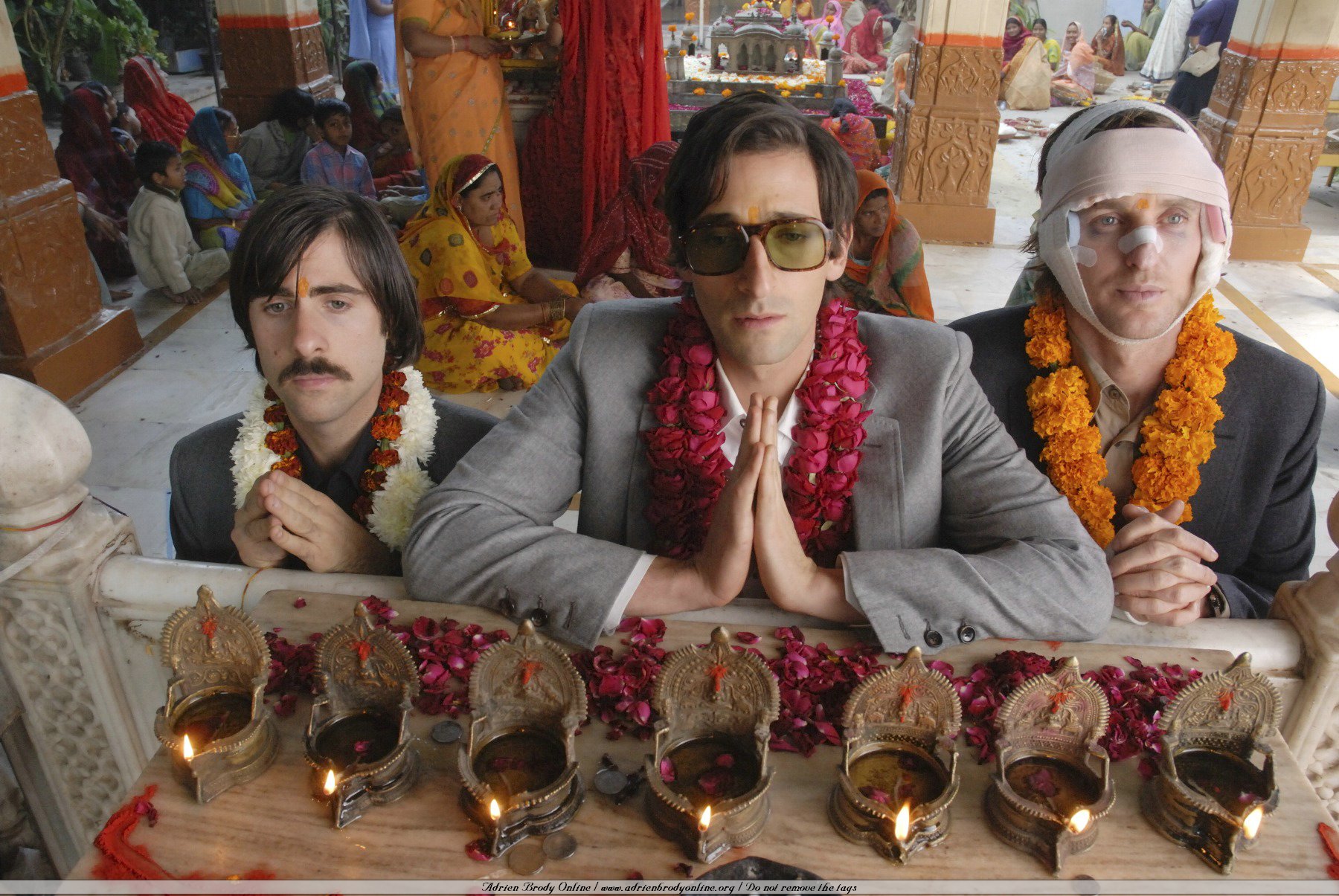

Known for his quirky, heartfelt, and melancholic films, Wes Anderson is among one of the modern auteurs of the 21st Century. Along with fellow American directors like Sofia Coppola and David Gordon Green, Anderson is among those as part of the new American auteurs to make a mark in the late 90s and 21st Century. Early films like 1995's caper film Bottle Rocket and 1998's coming-of-age high school film Rushmore were delighted for its humor and heartfelt themes of disappointments and life-changing experiments. Along with co-writer and actor Owen Wilson, Anderson would score another critical hit with 2001's The Royal Tenenbaums that gave the duo an Oscar nomination for Best Original Screenplay. It seemed Anderson and his team, that included the Wilson brothers, Owen, Andrew, and Luke along with Bill Murray, Anjelica Huston, Jason Schwartzman, set designer Eric Anderson, and cinematographer Robert Yeomen, could do no wrong.

Then came 2004's The Life Aquatic with Steve Zissou that Anderson co-wrote with Noah Baumbach and things didn't go well as planned. The film received mixed reviews from both fans and critics as Anderson's tale of a washed-up documentary filmmaker with a man who he believes is his long-lost son was a film that didn't connect with general audiences. Despite another winning performance from Bill Murray along with a unique ensemble that included Owen Wilson, Cate Blanchett, Willem Dafoe, Anjelica Huston, Michael Gambon, and Jeff Goldblum, it was lost with some audiences. After a break that included producing Baumbach's award-winning The Squid & the Whale and developing an adaptation of Roald Dahl's The Fantastic Mr. Fox, Anderson returns with a new project that reveled in his themes of families, disappointments, and heartbreak. This new film is entitled The Darjeeling Limited.

Written by Anderson, Roman Coppola, and Jason Schwartzman, The Darjeeling Limited tells the story of three estranged brothers trying to reunite following the death of their father on a spiritual journey in India. Along the way, they try to find their lost mother while dealing with brotherly issues and such. A film that seems to recall not just the family dysfunctions of The Royal Tenenbaums but also the ambitions of Life Aquatic in terms of its location rather than its production. Anderson also seeks inspiration from the films of late Indian film director Satyajit Ray along with his music and the early films & music of the Merchant-Ivory team. Starring Anderson regulars Owen Wilson, Jason Schwartzman, Anjelica Huston, Kumar Pallana, Waris Ahluwalia, and a cameo from Bill Murray along with Adrien Brody, Camilla Rutherford, Amara Karan, and Irfan Khan. The Darjeeling Limited is Wes Anderson's most mature and poignant effort to date.

After racing a businessman (Bill Murray) to catch the Darjeeling Limited train, Peter Whitman (Adrien Brody) beats him as he enters the train to meet up with younger brother Jack (Jason Schwartzman). They’re later joined by the eldest brother Francis (Owen Wilson), who is sporting bandages on his face following a motorcycle injury. After not being together for a year since the funeral of their father, Francis hopes to reconcile his feelings with their brother. With help from his bald-headed assistant Brendan (Wallace Wolodarsky), Francis sets up an itinerary for a spiritual journey to many spiritual sites in India. While both Peter and Jack aren't enthused about the trip, they reluctantly join as Peter is still in mourning over their father's death. Even worse, Peter is also dealing with the upcoming birth of his first child with wife Alice (Camilla Rutherford) who is back home in London. Jack meanwhile, copes with the relationship of an ex-girlfriend by falling for a train stewardess named Rita (Amara Karan).

With Jack making out with Rita, he also plans to leave for Italy to meet up with his ex-girlfriend while Peter also plans to leave. Francis refuses for both to leave while they take on the spiritual journey. Yet, the trio start to get into crazy situations when Peter is often carrying their late father's things including his keys, razor, and sunglasses while borrowing Francis' belt. After purchasing a cobra, Peter takes it to the train but it only causes trouble when they're confronted by the train's chief steward (Waris Ahluwalia). After another stop during their journey, Francis is still trying to find information about the whereabouts of their mother Patricia (Anjelica Huston) whom was the real motive for Francis' plans for a spiritual journey. When the train is suddenly off course, things get tense when finally, the brothers are forced to leave the train. After confronting everything they've been through, it's clear that the spiritual journey has failed.

Upon their plans to return to the airport, the Whitman brothers suddenly encounter and later, get involved in an accident that eventually becomes tragic. Taken to a village where they meet a man (Irfan Khan), the brothers are suddenly forced to reflect that last time they were together at the day of their father's funeral. There, they recall the moments where they find the key into why they fell apart. After their period at the village and with gratitude towards the people that took them in, Francis finally found the whereabouts of their mother. The brothers find out their mother had become a nun as they all confront the death of the boys' father and Patricia's husband.

While The Darjeeling Limited and The Life Aquatic with Steve Zissou both had ambitious narratives and storylines that took Wes Anderson and his characters to different worlds. What the Life Aquatic had seemed to fail in terms of its ambitions is suddenly made up for with great maturity and care in The Darjeeling Limited. It's largely because Anderson scaled back his ambitions for something more personal in a film that isn't just about loss but fear. Fear is the main theme as the Whitman brothers and their mother all seem to run away from something. Jack is running away from a failed relationship, Peter from impending fatherhood, and Francis and Patricia both running away from death in their own ways. While Francis' brush with death would serve as a plot device to the film's story, it's also a film about brothers and how dysfunctional they are in their relationship.

With help from Roman Coppola and Jason Schwartzman, who are both cousins in real life, Anderson brings a script that is filled with not just Anderson's unique take on humor but also his sense of melancholia. Where his previous film, The Life Aquatic had been overwhelmed by its ambitions where both the humor and drama seems forced. The Darjeeling Limited goes for something natural where there's a line in which Jack asks if his relationship with Francis and Peter would've been better if they had been friends in real life instead of brothers. That's definitely the key plot-point of the entire film as the script isn't just Anderson as his most mature but also a step into a new direction for the director.

Anderson's direction, that's been known for its use of tracking shots, slow-motion sequences, and moments of spontaneous hijinks. All of that is there but this time around, he takes a new step by adding more emotions to what he's doing. The compositions Anderson goes for in some of the sequences on train are definitely wonderful while he and 2nd unit director Roman Coppola capture the beauty and mystique that is India. The film also has Anderson confronting many new themes while adding some humor to the situations. It doesn't come off as awkward but rather emphasizes the dysfunctional behavior of the Whitman brothers. Another new element Anderson adds to the film is mystique. There's two characters who make brief appearances in the feature film, the businessman and Jack’s ex-girlfriend (Natalie Portman), who appears in The Darjeeling Limited for a minute. There are no answers to their appearances except for Jack's ex-girlfriend who appears in the prequel short Hotel Chevalier.

Again, this is Anderson opening up more where audiences can give an idea of interpretation while there's some clues in the dialogue into who they might be or what actions they have done. The overall work in what Anderson does visually is definitely miles away from the things he's done in previous films. He's managed to get not too much into his style but also try new things like a car chase in the opening scene of the film. It's one of the most amazing and frantic car chase scenes ever done. The result isn't just Anderson starting to get better at his craft but also growing in the process.

Longtime cinematographer Robert Yeomen's cinematography is very potent with its wonderful exterior shots of India that includes some wonderful nighttime and evening shots of the area in the exteriors. Many of the interior scenes are awash with a mix of blue, yellow, green, and exotic colors that gives Yeomen's camera amazing coverage of some of exterior shots of the train and what's going on. Yeomen's work is just stunning in every frame. Production designer Mark Friedberg along with art directors Aradhana Seth (who is also a set decorator) and Adam Stockhausen with additional help from set decorator Suzanne Caplan Merwanji bring a great look to train that is the Darjeeling Limited. The small rooms, hallways, and rooms have an exotic look to the film. With additional help from Wes Anderson’s brother Eric on the luggage design, the film's look works to its visual.

Legendary costume designer Milena Canonero brings a wonderful look to the film's colorful atmosphere with the lovely use of silk for Rita's stewardess clothing along with the chief steward, and the suits that the Whitman brothers wear. Editor Andrew Weisblum brings some solid editing to the film and its irreverent tone with the use of slo-mo edits, jump-cuts, and action cuts to convey some of the film's humor as well as its drama. Sound recordist Pawel Wdowczak along with additional help from Coppola sound designer Richard Beggs do great work in conveying the atmosphere of India including some of the recorded traditional material that's added to the film’s soundtrack.

The film soundtrack marks the first in being that it's first of Anderson's films to not feature a written score from longtime collaborator Mark Mothersbaugh of Devo. Instead, Anderson goes to the music of the late, legendary Indian auteur Satjayit Ray for his intense, folky compositions to convey the film's road-like feel, romance, and drama with additional cuts from Ray collaborators Ustad Vilayat Khan and Jyotitindra Moitra. The Indian music works not just for the atmosphere that is India but is used for accompaniment or background of where the characters are in whatever situation they're in. Along with classical cuts by Ludwig Van Beethoven and Alexis Weissenberg, the film also includes pop songs by Peter Sarstedt (notably in Hotel Chevalier), Joe Dassin, and a bouncy Indian-pop cut from Shankar Jaikishan from the Merchant-Ivory film Bombay Talkie.

While the score and music adds a new flavor to Anderson's knack of musical taste, he still uses his beloved collection of British rock music. A cut from the Rolling Stones appear in one of the film's most emotional key sequences while three cuts from the Kinks from their 1970 album Lola Versus Powerman and the Moneygoround Part One. Two of those songs, This Time Tomorrow and Strangers, both of which appear on the film's trailer, emphasize the film's melancholic tone while Powerman appears near the film's end. Once again, Anderson and music supervisor Randall Poster create an amazing soundtrack.

The film's cast is wonderfully assembled as it features cameos from Anderson regulars Wallace Wolodarsky as Francis' bald-headed assistant Brendan, Waris Ahluwalia as the Chief Steward (and also a security chief in Hotel Chevalier), and Kumar Pallana as a traveler on the train. Whereas the previous film didn't have cameos from Anderson's buddies, this one made up for it, especially Kumar Pallana's cameo which is a joy to see. While some may feel that beloved Indian actor Irfan Khan's appearance is merely a cameo and is wasted, his performance as a grieving man is a sight to see for those who have never seen any of the actor's work. While it's a cameo of sorts, it works in every way as his appearance is wonderful to watch. Amara Karan is great as the stewardess Rita whom Jack falls for while she is dealing with the breakup of her boyfriend as her presence is wonderful to watch. Camilla Rutherford is excellent in her brief scenes as Peter's wife Alice, notably in the flashback scene, and an appearance on the train as a wife worried about Peter and his grief over his father.

While Bill Murray's role as a businessman is a cameo, he manages to make everything of his brief appearance as a businessman running to catch a train as he's just great to watch while he also appears briefly in another scene with the train. Even Natalie Portman's brief five-second appearance as Jack's ex-girlfriend from Hotel Chevalier makes a wonderful impression.

Anderson regular Anjelica Huston, who has a brief appearance, is great as Patricia Whitman. A mother turned nun who seems very weary over what had happened in the year since. While Huston is great in her performance, her character is the strangest where despite being this maternal figure, she seems to wander off as if she had been traumatized while talking to people who might not have existed. It's a great performance from the actress who's amazing to watch in any of Anderson's films. New to the Anderson film family is Adrien Brody in what is definitely his funniest performance yet. Taking a break from more dramatic, darker film roles, Brody is at ease in playing the middle brother Peter (after Peter Bogdonavich) who seems very possessive and also cries a lot whenever he's dealing with his father's death. Brody's chemistry with Wilson and Schwartzman is full of energy and delight as he's definitely a natural for the role as his performance is great to watch.

Jason Schwartzman delivers a brilliant performance as the emotionally battered Jack (after his late father and bits of Jack Nicholson) who seems to try to find ways in coping over the relationship with his ex-girlfriend by making out with Rita or calling his ex's answering machines. Schwartzman is definitely the peacekeeper and conscience of the brothers while adding lots of comedy to his role. Owen Wilson is great in his role as the bossy older brother Francis (after Schwartzman's uncle and Roman Coppola's father Francis Ford Coppola) who is desperate to try and reconcile with his younger brothers. While Owen's appearance with bandages is very disturbing (considering the recent events of his own personal life), it's probably Owen at his best while not playing the often laid-back persona in most of his comedies. Owen shows more range as an actor in this film as he acts like a leader while trying to act in a fraternal role that shows that Owen Wilson is a better actor when he's not acting like an idiot or some sentimental figure in more mainstream fare.

***DVD Content Written from 12/14/10 to 12/16/10***

When The Darjeeling Limited was released on DVD in 2008 by Fox Searchlight.  The DVD only contained the short Hotel Chevalier along with a Behind-the-Scenes featurette and a trailer.  While it was a good DVD for casual audiences, it wasn’t enough for fans of Wes Anderson who had been used to having his film released through the Criterion Collection company for its DVD releases.  In 2010, The Darjeeling Limited finally gets a release through the Criterion Collection with total approval and involvement from its director, Wes Anderson.

The Region 1, 2-disc Criterion DVD for The Darjeeling Limited presents the film with a new, high-definition digital transfer that is approved and supervised by Wes Anderson.  Presented with Surround Sound and the film’s original theatrical widescreen aspect ratio of 2:40:1.  The film along with the short Hotel Chevalier are given a wonderful, colorful transfer that is a trademark of Anderson’s films.  It’s fuller in color and has a more lush setting as it’s shot on location in India as the film is given the treatment it needed to live up to what fans wanted in his DVDs.

The first disc of the DVD has both Hotel Chevalier and The Darjeeling Limited that can be played separately or together since Hotel Chevalier is a prequel of sorts to The Darjeeling Limited.  The special features on the first disc includes the film’s theatrical trailer and a feature-length audio commentary track from Wes Anderson and the film’s co-writers in Roman Coppola and Jason Schwartzman while Anderson does a sole commentary track for Hotel Chevalier.

Anderson’s commentary for Hotel Chevalier revealed that it was made for two days in 2005 as an experiment of sorts while he was working on the script for The Darjeeling Limited with Roman Coppola and Jason Schwartzman.  Anderson hadn’t worked with Schwartzman since Rushmore but have been very close friends.  Anderson revealed his interest in creating more shorts either as a stand-alone piece or as part of an omnibus type of film.  He also revealed that Natalie Portman came in when she had a break from making Milos Forman’s Goya’s Ghost.  It’s a wonderful commentary track that would lead to The Darjeeling Limited.

The commentary for The Darjeeling Limited features Anderson, Coppola, and Schwartzman all commenting on different locations through Skype.  The three men talk about the writing process of the film as well as recounting their own experiences in India.  The film was shot in late 2006 as Schwartzman, Owen Wilson, and Adrien Brody all rehearsed their dialogue and scenes before the movie started.  While all of the dialogue was spoken from the script, everything else was improvised because of the chaotic atmosphere of the locations.

Anderson, Coppola, and Schwartzman that with the exception of the train that was partially a set that was built for the film.  Everything else was shot on location in India except for the scenes in New York City which were shot last.  The men also mention a lot of film references that inspired the film.  Notably the works of Satyajit Ray and Robert Altman along with Jean Renoir’s The River.  They also talked about a lot of the Indian actors they hired while some just walked on set not knowing they were being filmed but it worked because it felt so natural.  Anderson and Schwartzman had a lot of praise towards Amara Karan as Rita, who they really liked a lot.  Schwartzman also talked about how nervous he was acting with Owen Wilson and Adrien Brody but once the film went into production, they were all equal.  

Anderson also had praise for Brody who was new to the world of Wes Anderson as Brody invited his mother on the set to shoot pictures along with Owen Wilson’s mother.  Anderson admitted that if it wasn’t for Roman Coppola, the shooting of The Darjeeling Limited would’ve been extremely hard since he didn’t want to relive some of the headaches he had in making The Life Aquatic with Steve Zissou.  The commentary is an enjoyable one while it ended with a lot of humor as someone made a call to Anderson about an idea for his production company.

The second disc of the DVD is filled with loads of special features.  Leading the supplement material is a 41-minute behind-the-scenes documentary by Barry Braverman.  The documentary is shot on location in India where Wes Anderson, cast, and crew are making the film.  Notably with six specific sequences as the first with Bill Murray as the businessman was shot during a chaotic morning with crazy traffic around.  For the scenes at the spiritual temples, they had to shoot in the mornings and early day even though the ceremonies were actually happening throughout.  Even as the actors got to interact with the locals.

For the scenes in the train, the documentary shown how the look of the train was made where it doubled not just as a real train but also a soundstage where they shot everything while it’s moving.  Even as the train was used for transportation for the actors and crew to live in.  Even where they stopped for some scenes as everyone had a good time.  For the funeral scene, it was shot on a real village while the actors got to interact with three young brothers that were in the film and helped during the big stunt in that film.  It’s an enjoyable documentary that often has shots of the people, animals, and beautiful locations where it was a more relaxed making of than the overwhelming production that was Anderson’s previous film in The Life Aquatic with Steve Zissou.

The 21-minute discussion between Wes Anderson and filmmaker James Ivory is about the music used in the film.  Shot at a restaurant in Paris, Anderson and Ivory talked about the music that was used with footage of where the music of those movies originated from.  Ivory revealed that when he did The Guru with 20th Century Fox providing the money, it was at the time when all things related to India became popular as he said it was partially inspired by George Harrison.  They also discussed Satyajit Ray and the music he made as Ivory always have pieces that he will love.  He also likes the way Anderson used the music for those scenes in The Darjeeling Limited as the discussion ended with Anderson thanking Ivory for inspiring him.  Ivory thanked him for giving the music a chance to be heard to a new audience.

The 12-minute video essay by film critic Matt Zoller Seitz.  Seitz uses images of both Hotel Chevalier and The Darjeeling Limited to talk about the film and why they’re important in Wes Anderson’s film career.  Seitz claims that The Darjeeling Limited is Anderson’s 2001 in the way he uses all of his film tricks and refines them into something that is distinctive.  Seitz also talks about the characters and why Hotel Chevalier is important to the story.  It’s a wonderful video essay that not only explains some of the secrets of the film but reveals why spiritual journeys should never have itineraries.

The only deleted scene is where the Peter tries to play cricket with a tennis ball as Francis and Jack watch.  Two alternate scenes include a shot of the Whitman brothers going down the hill and the other is a scene of the brothers about to board a plane where the dialogue is finally revealed.  The audition of the young actor Sriharsh Sharma, who plays the boy with the handkerchief in the village/funeral scenes, is an impressive audition clip.  Though he was not able to play one of the young brothers, his audition showed some natural quality while he sang Green Day’s Boulevard of Broken Dreams.  Other small video features includes the American Express commercial Wes Anderson made that features Jason Schwartzman, Waris Ahluwalia, and cinematographer Robert Yeomen.

Waris Ahluwalia also has a video diary filled with several photos and video clips.  Among the clips are life on the train where everyone seems relaxed and enjoying themselves while Kumar Pallana does a magic trick.  Shots of animals including a dancing elephant on a truck and a flock of sheep not going in the right direction.  Jason Schwartzman at a kitchen cooking while cooks are making lunch for the other actors.  Everyone doing some fitness and kite-flying with special guest, Kiki Smith.  A shot of what Anderson’s idea of special effects are for the film.  Waris trying on his costume with help from famed costume designer Milena Canonero.  A crew member talking about Indian luck while Adrien Brody signs autograph to fans.  Wes Anderson and Roman Coppola talking about a scene with the theme of Bombay Talkie playing in the car and what Waris is feeling when he’s shot all alone in a desert.  The photos are in Polaroid pictures from the cast and crew of the film plus Hotel Chevalier and the American Express commercial.

The Oakley Friedberg/Packer speech short video is where Mark Friedberg’s son talked about his trip to India where he talked his experience and how he and many of the people working on the film managed to raise money for bikes so that kids can go to school miles away from where they lived.  It’s a wonderful clip that features a great photo gallery of locations and the modern schools the kids learn at.  A forty-seven video clip reveals the two major awards The Darjeeling Limited won, one at the Venice Film Festival and the other from a U.S. comedy film festival.  The last short video featurette is from Roman Coppola which is a two-and-a-half minute clip of Coppola, Schwartzman, and Anderson writing the film during their trip to India with pictures and all sorts of footage which is just dazzling to watch.

The stills gallery features three sets of on-set photos.  One from the on-set photographer James Hamilton that features a wide array of photos on location in both India and New York City.  The other two comes from the mothers of Owen Wilson and Adrien Brody.  Laura Wilson’s photos are shown in color while the renowned Sylvia Plachy are shown in black-and-white.  The DVD includes a booklet that features original illustrations by Eric Chase Anderson and an essay by film critic Richard Brody.  Entitled Voyage to India, Brody discusses a lot of the personal attributes Wes Anderson made for The Darjeeling Limited.  He even revealed that the film was meant to be the anti-Life Aquatic which was an expensive and overwhelming film to make for Anderson.  For that, Anderson had to improvise shots while retaining some of his visual styles while not having trailers around for the actors.

Brody also talks about Hotel Chevalier where it would be a crux for Jack’s writing as he is tormented by his ex-girlfriend’s visit.  Jack would often try to find the approval of his brothers for his writing as he would finally get it towards the end while making some acceptance about his own work.  Originally, it was going to be a piece by itself but became part of The Darjeeling Limited when Anderson was writing the film with Roman Coppola and Jason Schwartzman.  When The Darjeeling Limited finally came into production and the train was made, it was a place where everyone felt like equals whether they were shooting or not.  Brody recalls his meetings with Anderson as he revealed that part of the film’s inspiration aside from Satyajit Ray and Jean Renoir’s The River was the John Cassavetes film Husbands.

The essay is a truly remarkable for its analytical take on the film as well as the characters and objects that the Whitman brothers carry.  It also reveals why the film was a hit with his fans because there was something they could relate to as well as how they’re connected to the characters in Anderson’s other films.  In many ways, it’s a stepping stone for Anderson to move into newer territory while refining his own tricks.  The Criterion DVD for The Darjeeling Limited is a must-have for fans of Wes Anderson while the special features are truly top-notch.

***End of DVD Tidbits***

While it's not as brilliant as Rushmore, or in some cases to the hardcore fans, Bottle Rocket, The Darjeeling Limited is a funny, dramatic, complex, and serious film from Wes Anderson and company. Fans of Anderson's work will no doubt enjoy his directing style, themes, and characters in this film while those new to him might have a hard time in understanding his themes and humor. Yet, the film does remain entertaining and its laughs are well-earned. The Darjeeling Limited is an overall joyful, uplifting film from Wes Anderson who has now managed to grow up with grace and style.


© thevoid99 2010