Written, scored, edited, directed, and co-starring Charles Chaplin, Pay Day is the story of a laborer who tries to use his wages to get a drink as he deals with his wife taking some of the wages he makes. The 28-minute silent comedy has Chaplin play the role of the Tramp as he tries to cope with his job and life at home. Also starring Edna Purviance, Mack Swain, Syd Chaplin, and Phyllis Allen. Pay Day is a wondrous and entertaining film from Charles Chaplin.
The film follows the day in the life of a laborer in the Tramp as he is late for work as he does what he can to get his daily wages in the hopes of not having to give any to his cruel wife (Phyllis Allen). It’s a film with a simple premise as the Tramp would do his job while he fawns over the foreman’s daughter (Edna Purviance) who eats lunch with her father Mack Swain). Still, Chaplin does play into the Tramp’s attempt to find some joy in his dreary life as it’s the wages that allows him the chance to be happy for a brief moment despite the fact that his wife would take much of it. Yet, the Tramp would get the chance to drink with his co-workers but would have trouble trying to get home.
Chaplin’s direction not only has him creating some unique gags and compositions that help play into the humor. Much of the compositions are straightforward with a lot of usage of medium shots to get coverage of the location as well as a gag one of which involves an elevator where the Tramp tries to a bit of lunch. Another gag has Chaplin looking over his wages and hiding them unaware that his wife is behind him as it play into the dynamic of his relationship with his wife. Chaplin would get some camera movement for a sequence of the Tramp trying to catch a street car as it showcased some of the obstacles his character would go through. Also serving as editor and music composer, Chaplin keeps the cutting straightforward while the score (that he created in the 1970s) has this playful tone that help add to the humor with its usage of woodwinds and strings. Overall, Chaplin creates an engaging and joyful film about a tramp trying to make an honest day’s work despite the drawbacks in his life.
Cinematographer Roland Totheroh does brilliant work with the film’s black-and-white photography in capturing the richness of the exterior scenes at night as well as in the chase with its usage of available light. Art director Charles D. Hall does excellent work with the look of the construction site as well as the home the Tramp and his wife live in. The film’s marvelous as it feature some notable small roles from Sydney Chaplin in a trio of roles as a mustached workman, a friend of the Tramp, and a lunch cart owner, Henry Bergman as a fat workman, Al Ernest Garcia in a dual role as a tall workman and a police officer, Edna Purviance as the foreman’s daughter whom the Tramp is smitten with, Mack Swain as the pushy foreman, and Phyllis Allen as the Tramp’s cruel wife. Finally, there’s Chaplin in an incredible performance as the Tramp as a laborer trying to make an honest day’s work yet arrives late and often creates chaos without meaning to as he also wants to find some joy endures trouble in his journey to return home.
Pay Day is a remarkable film from Charles Chaplin. Featuring some great visual gags, funny performances from its cast, and a simple yet effective story about the day in the life of a laborer. It’s a film that has Chaplin play into his approach to physical humor and gags while showcasing the struggles of a laborer through his famed Tramp character. In the end, Pay Day is an incredible film from Charles Chaplin.
Charles Chaplin Films: (Twenty Minutes of Love) - (Caught in the Rain) - (A Busy Day) - (Her Friend the Bandit) - (Mabel’s Married Life) - (Laughing Gas) - (The Face On the Bar Room Floor) - (Recreation) - (The Masquerader) - (His New Profession) – The Rounders (1914 film) - (The Property Man) - (The New Janitor) - (Those Love Pangs) - (Dough & Dynamite) - (Gentlemen of Nerve) - (His Musical Career) - (His Trysting Place) - (Getting Acquainted) - (His Prehistoric Past) - (His New Job) - (A Night Out) - (The Champion) - (In the Park) - (A Jitney Elopement) - (The Tramp) - (By the Sea (1915 film)) - (His Regeneration) - (Work (1915 film) - (A Woman) - (The Bank) - (Shanghaied) - (A Night in the Snow) - (Burlesque on Carmen) - (Police (1916 film)) - (Triple Trouble) - (The Floorwalker) - (The Fireman) - (The Vagabond) - (One A.M. (1916 film)) - (The Count) - (The Pawnshop) - (Behind the Screen) - (The Rink) - (Easy Street) - (The Cure (1917 film)) - (The Immigrant (1917 film)) - (The Adventurer) – A Dog's Life - (The Bond) – Shoulder Arms - Sunnyside - A Day's Pleasure - (The Professor) – The Kid (1921 film) - The Idle Class - The Pilgrim (1923 film) - A Woman of Paris - The Gold Rush - The Circus (1928 film) - City Lights - Modern Times - The Great Dictator
- Monsieur Verdoux - Limelight - A King in New York - (A Countess from Hong Kong)
© thevoid99 2020
Written, directed, and scored by Charles Chaplin, A Woman of Paris is the story of a French country girl and an artist who try to elope in Paris only to go to the city alone where she endures a whirlwind life. The film marks a change of pace for Chaplin as he strays away from his slapstick comedy in favor of a more dramatic based feature. Starring Edna Purviance, Clarence Geldart, Carl Miller, Lydia Knott, Charles K. French, and Adolphe Menjou. A Woman of Paris is a touching and poignant drama from Charles Chaplin.
The film explores the life and decisions of a young French country girl who tries to go to Paris with her artist boyfriend only for things to go wrong where she ends up going to Paris by herself as she becomes the mistress of a rich bachelor and endure many conflicts about her fate. It’s a film that plays into the decisions that Marie St. Clair (Edna Purviance) would make as she would live a life of riches and parties but it is an empty one until she learns that her old flame Jean (Carl Miller) is in Paris with his mother (Lydia Knott) working as an artist. Torn between returning to Jean and living the life of a mistress to the rich bachelor Pierre Revel (Adolphe Menjou), Marie becomes unsure of what to do as it would play into this dramatic conflict of a woman who lost Jean through a misunderstanding and she is suddenly in a world where she has everything but true love.
Charles Chaplin’s screenplay definitely goes for a more traditional approach to storytelling as he plays into Marie’s own fate as the decisions she makes in her life would have repercussions. Especially as she is driven by misunderstanding and regrets that would often have make the wrong decisions as well as become unsure of what to do. On the one hand, there’s the part of her past in Jean who would give her a simpler and happier life but misunderstandings often get in the way. On the other hand, there’s Pierre who can give Marie everything though he is set to be engaged to another woman and sleeps around with other women. It’s a dichotomy that makes the story so compelling as it adds a lot of ground to what Chaplin wanted to say.
Chaplin’s direction has this air of beauty to his compositions while not being afraid to take risk and be very dramatic. There are very little moments of humor in the film as Chaplin only makes a brief cameo as a train station porter as Chaplin is mostly focused on the fate of this young woman from the French countryside. There’s an intimacy to Chaplin’s direction as he goes for very simplistic compositions that has this air of beauty that is carried by this very somber and majestic score that he would bring for its 1976 reissue. With additional help from Mona Bell, Chaplin would bring a low-key approach to the editing with its emphasis on fade-outs to play into the film’s dramatic structure where it has this air of melancholia as it showcases Chaplin’s desire to the complications of fate. Overall, Chaplin creates a very powerful drama about a woman’s fate.
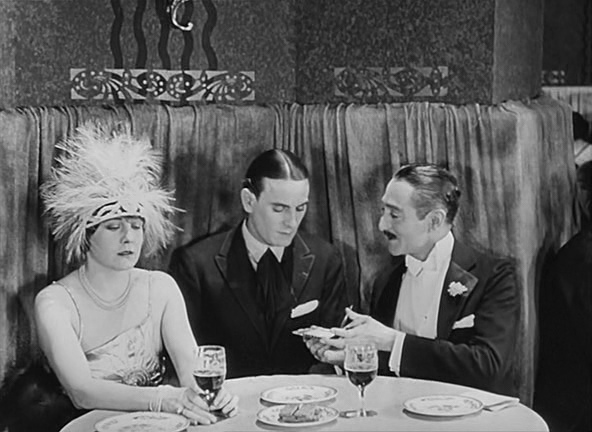
Cinematographers Roland Totheroh and Jack Wilson do amazing work with the film‘s black-and-white photography as it showcase some unique lighting schemes for some of the scenes set at night as well as the rich look for film‘s daytime exteriors. Art director Arthur Stibolt does fantastic work with the set pieces from the dining halls where many of the posh characters go to as well as the lavish mansion that Marie stays at.
The film’s cast includes an appearance from Henry Bergman as a head waiter as well as notable small roles from Clarence Geldart as Marie’s cruel stepfather, Charles K. French as Jean’s father, Betty Morrissey and Malvina Polo as a couple of Marie’s rich friends, and Lydia Knott as Jean’s mother who watches over the troubles that Jean will deal with. Carl Miller is superb as the aspiring artist Jean who was Marie’s first love as he tries to win her back only to deal with what she’s become. Adolphe Menjou is brilliant as the smarmy rich bachelor Pierre who often gives Marie everything he wants while always finding a way to get her back. Finally, there’s Edna Purviance in a radiant performance as Marie St. Clair as a woman who is eager to go to Paris only to be caught in the middle of different lifestyles and ideals as she struggles with the fate of her decisions in life.
A Woman of Paris is an extraordinary film from Charles Chaplin that features an incredible performance from Edna Purviance. While the film may not live up to many of Chaplin’s funnier films, it does showcase his ability to broaden himself while being able to tell a story in a very unique way. Even as something that is very straightforward as a drama that proves that he can do so much more. In the end, A Woman of Paris is a wonderfully rich film from Charles Chaplin.
Charles Chaplin Films: (Twenty Minutes of Love) - (Caught in the Rain) - (A Busy Day) - (Her Friend the Bandit) - (Mabel’s Married Life) - (Laughing Gas) - (The Face On the Bar Room Floor) - (Recreation) - (The Masquerader) - (His New Profession) - The Rounders - (The Property Man) - (The New Janitor) - (Those Love Pangs) - (Dough & Dynamite) - (Gentlemen of Nerve) - (His Musical Career) - (His Trysting Place) - (Getting Acquainted) - (His Prehistoric Past) - (His New Job) - (A Night Out) - (The Champion) - (In the Park) - (A Jitney Elopement) - (The Tramp) - (By the Sea (1915 film)) - (His Regeneration) - (Work (1915 film) - (A Woman) - (The Bank) - (Shanghaied) - (A Night in the Snow) - (Burlesque on Carmen) - (Police (1916 film)) - (Triple Trouble) - (The Floorwalker) - (The Fireman) - (The Vagabond) - (One A.M. (1916 film)) - (The Count) - (The Pawnshop) - (Behind the Screen) - (The Rink) - (Easy Street) - (The Cure (1917 film)) - (The Immigrant (1917 film)) - (The Adventurer) - A Dog's Life - (The Bond) - Shoulder Arms - Sunnyside - A Day's Pleasure - (The Professor) - The Kid - The Idle Class - Pay Day - The Pilgrim - The Gold Rush - The Circus - City Lights - Modern Times - The Great Dictator - Monsieur Verdoux - Limelight - A King in New York - (A Countess from Hong Kong)
© thevoid99 2014
Written, directed, scored, edited, and starring Charles Chaplin, The Pilgrim is the story of the Tramp who escapes from prison as he pretends to be a pastor. The film is another of Chaplin’s tale of misadventures as he would play the role of the Tramp. Also starring Edna Purviance, Henry Bergman, and Mack Swain. The Pilgrim is an extraordinary film from Charles Chaplin.
The film revolves around an escaped convict who is on the run as he pretends to be a pastor where he works for a congregation in Texas as he falls for a young woman and later deal with a man from his past. It all plays to a sense of misadventures where the Tramp tries to evade the authorities while being put into strange situations where he has to the new pastor at a Texan church. It’s not just a comedic film where Charles Chaplin plays this criminal who is trying to not go back to jail yet he would also gain redemption in helping a family when it involves an old cellmate.
Chaplin’s direction is quite simplistic at times in terms of his compositions and the way he sets up some of his gags. Yet, there’s also a sense of beauty in his direction in the way he presents the church service as well as some of the tender moments between the Tramp and the young woman he meets. Some of the gags are very creative which involves a visit from a mischievous little boy who is visiting the family that the Tramp is staying at as he causes trouble as it has this unique sense of rhythm and chaos that makes the entire sequence work. Through his rhythmic approach to the film’s editing and an exuberant film score that plays to the humor as well as featuring a song that Chaplin added for the 1959 reissue of the film sung by Matt Monroe. The film plays into this sense of a man’s misadventure as well as a chance to gain some redemption. Overall, Chaplin creates a very fun film about a convict who pretends to be a pastor.
Cinematographer Roland Totheroh does excellent work with the film‘s black-and-white photography as it‘s pretty simple in its look with the exception of a few shots that adds to the beauty of Chaplin‘s direction. Production designer Charles D. Hall does superb work with the set pieces from the look of the church to the home where the Tramp would live in. The film’s fantastic cast includes some notable small roles from Sydney Chaplin in a trio of roles from a man trying to elope with a woman, a train conductor, and a father of a troublesome little boy, Charles Reisner as a former cellmate of the Tramp, Dean Reisner as the mischievous little boy, Kitty Bradbury as the young woman’s mother, Henry Bergman as a sheriff on a train and a big man on the railroad station, Mack Swain as a large deacon, Tom Murray as a sympathetic sheriff, and Edna Purviance as the young woman the Tramp falls for. Finally, there’s Charles Chaplin in a remarkable performance as the Tramp where he brings in a lot of wit and energy to his performance as well as heart in doing what is right.
The Pilgrim is a marvelous film from Charles Chaplin as it’s one of his finest silent comedies in terms of its presentation and humor. It’s also a film that has Chaplin taking on some unique themes while finding ways to balance that with humor. In the end, The Pilgrim is a brilliant film from Charles Chaplin.
Charles Chaplin Films: (Twenty Minutes of Love) - (Caught in the Rain) - (A Busy Day) - (Her Friend the Bandit) - (Mabel’s Married Life) - (Laughing Gas) - (The Face On the Bar Room Floor) - (Recreation) - (The Masquerader) - (His New Profession) - The Rounders - (The Property Man) - (The New Janitor) - (Those Love Pangs) - (Dough & Dynamite) - (Gentlemen of Nerve) - (His Musical Career) - (His Trysting Place) - (Getting Acquainted) - (His Prehistoric Past) - (His New Job) - (A Night Out) - (The Champion) - (In the Park) - (A Jitney Elopement) - (The Tramp) - (By the Sea (1915 film)) - (His Regeneration) - (Work (1915 film) - (A Woman) - (The Bank) - (Shanghaied) - (A Night in the Snow) - (Burlesque on Carmen) - (Police (1916 film)) - (Triple Trouble) - (The Floorwalker) - (The Fireman) - (The Vagabond) - (One A.M. (1916 film)) - (The Count) - (The Pawnshop) - (Behind the Screen) - (The Rink) - (Easy Street) - (The Cure (1917 film)) - (The Immigrant (1917 film)) - (The Adventurer) - A Dog's Life - (The Bond) - Shoulder Arms - Sunnyside - A Day's Pleasure - (The Professor) - The Kid - The Idle Class - Pay Day - A Woman of Paris - The Gold Rush - The Circus - City Lights - Modern Times - The Great Dictator - Monsieur Verdoux - Limelight - A King in New York - (A Countess from Hong Kong)
© thevoid99 2014
Written, directed, edited, scored and starring Charles Chaplin, The Idle Class is the story of the Tramp who inadvertently causes trouble in the world of the rich as he is accused of doing wrong. The film is an exploration into the world of the rich as Chaplin plays dual roles as the Tramp and as a rich man. Also starring Edna Purviance, Mack Swain, and Henry Bergman. The Idle Class is a witty film from Charles Chaplin.
The film’s premise revolves around the idea of the Tramp at a posh golf course where he causes trouble and is later is mistaken to be the husband of a rich woman since they both look alike. It’s not just a film about mistaken identity but also in how someone like the Tramp manages to stumble into this world of the rich where he just wants to play golf and cause mayhem. Chaplin’s screenplay doesn’t just explore the misadventure that the Tramp creates but also in his doppelganger in this rich man who is an alcoholic as he alienated his wife who is thinking about leaving him. When the Tramp encounters her, he imagines what it would be like to be with her yet their own eventual encounter would also cause mayhem.
Chaplin’s direction is quite simple in terms of its compositions yet he does manage to create some unique ideas in the way the Tramp tries to play golf where he would anger a couple of golfers in the process. Much of it would involve Chaplin creating some scenes where he would create gags that would effective in the story along with a scene at a masquerade ball where the rich man is unable to take off his knight helmet. Through his fluid yet straightforward approach to editing as well as his exuberant music score that ranges from playful to more rhythmic-based music for the masquerade ball scene. Chaplin would maintain that sense of entertainment as well as some amazing trickery in the way he would play both the Tramp and the rich husband in one notable scene. Overall, Chaplin creates a very lively and fun film about the Tramp’s misadventures in a posh world.
Cinematographer Roland Totheroh does excellent work with the black-and-white photography from the look of the golf course including some of the trick photography to feature the Tramp and the rich husband in one notable sequence. Production designer Charles D. Hall does fantastic work with the look of the hotel and the masquerade ball as well as one notable set at the golf course for a creative gag.
The film’s cast includes notable small roles from Henry Bergman in a dual role as a homeless man and a man pretending to be a cop, John Rand as a golfer who would have an unfortunate encounter with the Tramp and the rich man’s father-in-law, and Mack Swain as the rich man’s father-in-law who would have one bad day. Edna Purviance is wonderful as the rich man’s wife who feels neglected by her husband and troubled by his alcoholism until her encounter with the Tramp makes her feel happy unaware that he’s not her husband. Finally, there’s Charles Chaplin in the dual role as the Tramp and as the rich husband as he brings that great sense of pantomime physicality to his humor as well as a mischievousness to the role of the Tramp in how he reacts to certain situations as it‘s one of Chaplin‘s finest performances.
The Idle Class is a remarkable film from Charles Chaplin as it makes fun of the world of the rich while showcasing some of the fun they have. The film isn’t just one of Chaplin’s quintessential shorts but also a key moment into his work as a director as he would create moments that would be considered innovative. In the end, The Idle Class is a fantastic film from Charles Chaplin.
Charles Chaplin Films: (Twenty Minutes of Love) - (Caught in the Rain) - (A Busy Day) - (Her Friend the Bandit) - (Mabel’s Married Life) - (Laughing Gas) - (The Face On the Bar Room Floor) - (Recreation) - (The Masquerader) - (His New Profession) - The Rounders - (The Property Man) - (The New Janitor) - (Those Love Pangs) - (Dough & Dynamite) - (Gentlemen of Nerve) - (His Musical Career) - (His Trysting Place) - (Getting Acquainted) - (His Prehistoric Past) - (His New Job) - (A Night Out) - (The Champion) - (In the Park) - (A Jitney Elopement) - (The Tramp) - (By the Sea (1915 film)) - (His Regeneration) - (Work (1915 film) - (A Woman) - (The Bank) - (Shanghaied) - (A Night in the Snow) - (Burlesque on Carmen) - (Police (1916 film)) - (Triple Trouble) - (The Floorwalker) - (The Fireman) - (The Vagabond) - (One A.M. (1916 film)) - (The Count) - (The Pawnshop) - (Behind the Screen) - (The Rink) - (Easy Street) - (The Cure (1917 film)) - (The Immigrant (1917 film)) - (The Adventurer) - A Dog's Life - (The Bond) - Shoulder Arms - Sunnyside - A Day's Pleasure - (The Professor) - The Kid - Pay Day - The Pilgrim - A Woman of Paris - The Gold Rush - The Circus - City Lights - Modern Times - The Great Dictator - Monsieur Verdoux - Limelight - A King in New York - (A Countess from Hong Kong)
© thevoid99 2014
Written, directed, edited, scored, and starring Charles Chaplin, A Day’s Pleasure is the story of the Tramp and a family trying to spend a day together where everything goes wrong. The film is a simple slapstick comedy where Chaplin plays the role of the Tramp as he tries to get his wife and children a chance to have a good day. Also starring Edna Purviance and Jackie Coogan. A Day’s Pleasure is a delightful film from Charles Chaplin.
The film is a simple story of a family spending the day together where a lot of things ensue in the course of an entire day. All of which involves the Tramp in a series of gags relating to his car as well as being on a boat with his family as Charles Chaplin explores everything that could go wrong on a family outing. All of which told in a simple manner as Chaplin’s direction keep some of the compositions to the point while creating some inventive gags in the process. Even as it involves a scene with a car that doesn’t really work or how someone would get seasick as the sequence in the latter is among one of the finest presentations of humor ever. Especially in the way Chaplin would create the idea of what it would be like on a boat as he would capture some of that humor through his rhythmic approach to editing. Chaplin’s score would also maintain that sense of humor as it’s often exuberant and bouncy which plays into the many misadventures of the Tramp. Overall, Chaplin crafts a very charming and fun film about a family outing.
Cinematographer Roland Totheroh does fantastic work with the film‘s black-and-white photography to capture the sunny look of a family outing on the sea where the Tramp and his family are on the boat. Production designer Charles D. Hall does superb work with the set pieces from the look of the car as well as the design of the boat when it rocks back and forth. The film’s cast features appearances from Henry Bergman in a trio of roles as a large policeman, a ship captain, and a big man in a car, Tom Wilson as a large husband on a boat, Babe London as the large husband’s seasick wife, Loyal Underwood as an angry little man on the street, Marion Feducha and Bob Kelly as the Tramp’s eldest son, Jackie Coogan as the youngest child, and Edna Purviance as the Tramp’s wife. Finally, there’s Charles Chaplin as the Tramp as it’s another enjoyable performance in the way the Tramp tries to start his car or adjust to being on a boat as it’s one of his funniest performances.
A Day’s Pleasure is an excellent film from Charles Chaplin. It’s among one of his finest shorts as well as one of his most entertaining in the way it explores a family outing and how it can go wrong. In the end, A Day’s Pleasure is a splendid film from Charles Chaplin.
Charles Chaplin Films: (Twenty Minutes of Love) - (Caught in the Rain) - (A Busy Day) - (Her Friend the Bandit) - (Mabel’s Married Life) - (Laughing Gas) - (The Face On the Bar Room Floor) - (Recreation) - (The Masquerader) - (His New Profession) - The Rounders - (The Property Man) - (The New Janitor) - (Those Love Pangs) - (Dough & Dynamite) - (Gentlemen of Nerve) - (His Musical Career) - (His Trysting Place) - (Getting Acquainted) - (His Prehistoric Past) - (His New Job) - (A Night Out) - (The Champion) - (In the Park) - (A Jitney Elopement) - (The Tramp) - (By the Sea (1915 film)) - (His Regeneration) - (Work (1915 film) - (A Woman) - (The Bank) - (Shanghaied) - (A Night in the Snow) - (Burlesque on Carmen) - (Police (1916 film)) - (Triple Trouble) - (The Floorwalker) - (The Fireman) - (The Vagabond) - (One A.M. (1916 film)) - (The Count) - (The Pawnshop) - (Behind the Screen) - (The Rink) - (Easy Street) - (The Cure (1917 film)) - (The Immigrant (1917 film)) - (The Adventurer) - A Dog's Life - (The Bond) - Shoulder Arms - Sunnyside - (The Professor) - The Kid - The Idle Class - Pay Day - The Pilgrim - A Woman of Paris - The Gold Rush - The Circus - City Lights - Modern Times - The Great Dictator - Monsieur Verdoux - Limelight - A King in New York - (A Countess from Hong Kong)
© thevoid99 2014
Written, directed, edited, scored, and starring Charles Chaplin, Shoulder Arms is a war comedy where the Tramp becomes part of the French army during World War I as he thinks about what he will do in war. The film is a comedy on the idea of war as Chaplin creates a film of what would happen if the Tramp was in battle. Also starring Edna Purviance, Henry Bergman, Albert Austin, Tom Wilson, and Sydney Chaplin. Shoulder Arms is an incredibly witty film from Charles Chaplin.
The film is a simple story where a soldier thinks about what he will do in a war as he deals with loneliness, his incompetence, and some of the actions that would eventually make him a hero. It is a film where Charles Chaplin has the Tramp in these situations as he deals with the silliness of war as well as the duties in being a soldier where he would eventually save a Frenchwoman (Edna Purviance) from the Germans. It’s a script that plays into some of the silly aspects of war and that sense of not knowing what to do when in battle where the Tramp had to do things in order to survive where he would even disguise himself as a tree at one point.
Chaplin’s direction is quite playful in the way he captures the idea of soldier formations and the idea of what happens if the Tramp is guarding in a trench that is rainy where he and his soldiers are sleeping inside a cave that is being flooded. It’s all part of Chaplin’s idea into the silly aspects of war where infuses a lot of humor that includes the Tramp opening a can of limburger cheese where he would unknowingly throw into the enemy trench. Much of the compositions are quite simple yet there’s that sense of energy that Chaplin puts into the humor as he would also capture that energy in his editing as it is straightforward as well as playful. Chaplin’s music score has this exuberance in its orchestral score, which he added in its 1957 reissue, where it plays into the humor as well as the romance between the Tramp and the Frenchwoman. Overall, Chaplin crafts a very delightful and every entertaining film about a soldier going to war.
Cinematographer Roland Totheroh does excellent work with the film‘s black-and-white photography to capture the murkiness of the drenched trenches as well as the images of the forests. Production designer Charles D. Hall does fantastic work with the set design of the trenches and camps as well as the German base where the Tramp beats up an army leader.
The film’s superb cast includes some notable small roles from Sydney Chaplin in a trio of roles as a drill sergeant, a comrade, and a Kaiser as well as Henry Bergman as a bartender, a German sergeant, and a field marshal, Tom Wilson as a wood-cutter, Austin Albert as an American officer and two different German soldiers, and Jack Wilson as a German Crown Prince who is the butt of many jokes for his troops. Edna Purviance is amazing as the Frenchwoman that the Tramp would save as she would also aid in the capture of a German officer. Finally, there’s Charles Chaplin as the Tramp where he manages to keep things very interesting in the way he guards the trenches or interact with soldiers and the enemy as it’s another fine performance from Chaplin.
Shoulder Arms is a marvelous film from Charles Chaplin as it’s one of the finest shorts he’s done. Especially as he makes fun of the idea of war and what soldiers have to go through in a comical manner. In the end, Shoulder Arms is a brilliant film from Charles Chaplin.
Charles Chaplin Films: (Twenty Minutes of Love) - (Caught in the Rain) - (A Busy Day) - (Her Friend the Bandit) - (Mabel’s Married Life) - (Laughing Gas) - (The Face On the Bar Room Floor) - (Recreation) - (The Masquerader) - (His New Profession) - The Rounders - (The Property Man) - (The New Janitor) - (Those Love Pangs) - (Dough & Dynamite) - (Gentlemen of Nerve) - (His Musical Career) - (His Trysting Place) - (Getting Acquainted) - (His Prehistoric Past) - (His New Job) - (A Night Out) - (The Champion) - (In the Park) - (A Jitney Elopement) - (The Tramp) - (By the Sea (1915 film)) - (His Regeneration) - (Work (1915 film) - (A Woman) - (The Bank) - (Shanghaied) - (A Night in the Snow) - (Burlesque on Carmen) - (Police (1916 film)) - (Triple Trouble) - (The Floorwalker) - (The Fireman) - (The Vagabond) - (One A.M. (1916 film)) - (The Count) - (The Pawnshop) - (Behind the Screen) - (The Rink) - (Easy Street) - (The Cure (1917 film)) - (The Immigrant (1917 film)) - (The Adventurer) - A Dog‘s Life - (The Bond) - Sunnyside - A Day’s Pleasure - (The Professor) - The Kid - The Idle Class - Pay Day - The Pilgrim - A Woman of Paris - The Gold Rush - The Circus - City Lights - Modern Times - The Great Dictator - Monsieur Verdoux - Limelight - A King in New York - (A Countess from Hong Kong)
© thevoid99 2014
Written, directed, edited, scored, and starring Charles Chaplin, A Dog’s Life is the story of a man who finds a stray dog as he they would help a young woman and get a better life The film is another of Chaplin’s silent comedies as he plays the role of the Tramp who tries to get going with a dog named Scraps as his companion. Also starring Edna Purviance. A Dog’s Life is a whimsical yet heartfelt film from Charles Chaplin.
The film is a simple tale where the Tramp tries to survive the streets where he meets a dog named Scraps as they work together and eventually help a bar singer (Edna Purviance) who is constantly mistreated at work. Charles Chaplin’s screenplay not only stretches out the Tramp’s need to survive where he would do it in a comical fashion but also find a companion in this dog who was also mistreated where the two find each other and help each other. Even as they would evade the cops and other forces as well as annoy a lunch wagon owner (Sydney Chaplin) and other individuals.
Chaplin’s direction is very mesmerizing in the way he manages to create compositions that seem simple but has a lot more to say. Especially as Chaplin maintains a sense of energy into much of the physical humor and in some of the drama that unfolds. Also serving as editor where he maintains a straightforward presentation, Chaplin also maintains that sense of grit in the many situations that the Tramp and Scraps would endure as well as these little moments that play into Scraps wanting food or being hidden inside the Tramp. Things do get a little dramatic once the Tramp tries to help the singer as Chaplin’s score, from its 1957 reissued edition, plays into bits of the sentimentality with its lush orchestral score as well as the humorous moments with more upbeat themes. Overall, Chaplin creates a very lively and heartwarming film about a man and his dog.
Cinematographer Roland Totheroh does excellent work with the film‘s black-and-white photography to capture the sense of grit for the film‘s inner city setting as well as more somber yet upbeat lighter schemes for the more livelier moments. Production designer Charles D. Hall does superb work with the look of the cities as well as the dancehall where the Tramp meets the singer.
The film’s cast includes some notable small roles from Sydney Chaplin as a lunch wagon owner, Albert Austin in a dual role as an employment clerk and a thief, Henry Bergman in a dual role as an unemployed man and a fat lady, Bud Jamison as a thief, and Tom Wilson as a policeman. Edna Purviance is wonderful as the bar singer who feels mistreated as she meets the Tramp and falls for him. In the role of Scraps is a thoroughbred mongrel named Mut as he brings a lot of life to that character making one of the finest animals captured on film. Finally, there’s Charles Chaplin as the Tramp where it’s Chaplin bringing some charm and great physical comedy to his performance as it’s one of his essential performances as the Tramp.
A Dog’s Life is an excellent film from Charles Chaplin as it’s one of his essential comedies during the silent era as it’s one that audiences needed to see. Especially in how he can take a simple story and do so much more to showcase his talents as a storyteller. In the end, A Dog’s Life is a fantastic film from Charles Chaplin.
Charles Chaplin Films: (Twenty Minutes of Love) - (Caught in the Rain) - (A Busy Day) - (Her Friend the Bandit) - (Mabel’s Married Life) - (Laughing Gas) - (The Face On the Bar Room Floor) - (Recreation) - (The Masquerader) - (His New Profession) - The Rounders - (The Property Man) - (The New Janitor) - (Those Love Pangs) - (Dough & Dynamite) - (Gentlemen of Nerve) - (His Musical Career) - (His Trysting Place) - (Getting Acquainted) - (His Prehistoric Past) - (His New Job) - (A Night Out) - (The Champion) - (In the Park) - (A Jitney Elopement) - (The Tramp) - (By the Sea (1915 film)) - (His Regeneration) - (Work (1915 film) - (A Woman) - (The Bank) - (Shanghaied) - (A Night in the Snow) - (Burlesque on Carmen) - (Police (1916 film)) - (Triple Trouble) - (The Floorwalker) - (The Fireman) - (The Vagabond) - (One A.M. (1916 film)) - (The Count) - (The Pawnshop) - (Behind the Screen) - (The Rink) - (Easy Street) - (The Cure (1917 film)) - (The Immigrant (1917 film)) - (The Adventurer) - (The Bond) - Shoulder Arms - Sunnyside - A Day’s Pleasure - (The Professor) - The Kid - The Idle Class - Pay Day - The Pilgrim - A Woman of Paris - The Gold Rush - The Circus - City Lights - Modern Times - The Great Dictator - Monsieur Verdoux - Limelight - A King in New York - (A Countess from Hong Kong)
© thevoid99 2014
Written, directed, edited, and starring Charles Chaplin, Sunnyside is the story of a hotel handyman who fights a man from the city over a girl from the village. The thirty-four minute short film is an example of Chaplin’s unique approach to humor as he plays a variation of the Tramp character. Also starring Edna Purviance, Henry Bergman, Tom Wilson, and Olive Ann Alcorn. Sunnyside is a witty comedy from Charles Chaplin.
The film is a simple story about a hotel maintenance worker who deals with job and his girl where he fears he might lose her to a man from the city who arrived to his small village. Told in a typical slapstick, comedic style, it’s a film that doesn’t require much plot other than the Tramp character that Charles Chaplin play deal with his cruel boss who often kicks him in the ass and tries to do things only to screw things up. The script allows Chaplin to tell this story of this hapless handyman who is in love with the village girl (Edna Purviance) as he finds himself dealing with the city man who has everything.
Chaplin’s direction is pretty simple in terms of its compositions yet he does manage to create some very amazing moments in the scenes he creates. Notably in of the film’s opening moments between the Tramp and his boss (Tom Wilson) who often kicks him in the ass as it’s all presented in a form of slapstick where the tramp has no idea what he’s doing. Through his own editing and the way he times these comedic moments, Chaplin creates something that is just compelling in the way he brings humor in order to tell the story as the Tramp is just eager to try to win over the girl from the city man. Overall, Chaplin creates a very lively and entertaining film about an ordinary man fighting for his beloved.
Cinematographer Roland Totheroh does excellent work with the film‘s black-and-white photography to play into the film‘s vibrant look. Production designer Charles D. Hall does nice work with the set pieces from the look of the hotel as well as the home of the Tramp‘s beloved. The film’s music by Charles Chaplin is brilliant as it’s quite comical in its orchestral presentation but also somber at times to play into the Tramp’s moments of despair.
The film’s great cast includes some notable small performances from Olive Ann Alcorn as a nymph that the Tramp dreams about, Henry Bergman in a dual role as a villager and the girl’s father, and Tom Wilson as the Tramp’s boss who often kicks him in the ass. Edna Purviance is wonderful as the village belle who adores the Tramp while being wooed by the city man who wants her affections. Finally, there’s Charlie Chaplin in a fantastic performance as the Tramp where Chaplin just brings in a performance that is always fun to watch from his physicality to how he expresses himself without words.
Sunnyside is a terrific short film from Charles Chaplin. The film is definitely one of his finer comedies in the way it displays his gift for slapstick humor, pantomime, and how he can create a scene in a funny manner. In the end, Sunnyside is an enchanting film from Charles Chaplin.
Charles Chaplin Films: (Twenty Minutes of Love) - (Caught in the Rain) - (A Busy Day) - (Her Friend the Bandit) - (Mabel’s Married Life) - (Laughing Gas) - (The Face On the Bar Room Floor) - (Recreation) - (The Masquerader) - (His New Profession) - The Rounders - (The Property Man) - (The New Janitor) - (Those Love Pangs) - (Dough & Dynamite) - (Gentlemen of Nerve) - (His Musical Career) - (His Trysting Place) - (Getting Acquainted) - (His Prehistoric Past) - (His New Job) - (A Night Out) - (The Champion) - (In the Park) - (A Jitney Elopement) - (The Tramp) - (By the Sea (1915 film)) - (His Regeneration) - (Work (1915 film) - (A Woman) - (The Bank) - (Shanghaied) - (A Night in the Snow) - (Burlesque on Carmen) - (Police (1916 film)) - (Triple Trouble) - (The Floorwalker) - (The Fireman) - (The Vagabond) - (One A.M. (1916 film)) - (The Count) - (The Pawnshop) - (Behind the Screen) - (The Rink) - (Easy Street) - (The Cure (1917 film)) - (The Immigrant (1917 film)) - (The Adventurer) - A Dog’s Life - (The Bond) - Shoulder Arms - A Day’s Pleasure - (The Professor) - The Kid - The Idle Class - Pay Day - The Pilgrim - A Woman of Paris - The Gold Rush - The Circus - City Lights - Modern Times - The Great Dictator - Monsieur Verdoux - Limelight - A King in New York - (A Countess from Hong Kong)
© thevoid99 2014
Written, edited, directed, and starring Charles Chaplin, The Kid is the story of a tramp who finds an abandoned baby as he later raises the child to be his partner-in-crime. The film marks Chaplin’s first full-length feature film as a director in which he plays the Tramp character as it would feature a mix of comedy and drama. Also starring Jackie Coogan and Edna Purviance. The Kid is a dazzling yet touching film from Charles Chaplin.
The film is about a tramp who finds an abandoned baby whom he raises as his child and partner-in-crime where they do all sorts of schemes in order to survive in the streets. Yet, it is about so much more as also plays into an unwedded woman who had to abandon her child as she had no means to raise the baby where she left him inside the car of a rich family with a note. By the time the baby that would be named John (Jackie Coogan) becomes a boy, he would have these encounters with this woman (Edna Purviance) who had become a wealthy movie star as they’re unaware of who they are to each other. Yet, the woman would eventually learn that the boy is her son where the tramp would get into some trouble where he fights for the boy he has raised. It’s a film that not only has moments of slapstick but also some drama where Charles Chaplin is able to find a balance within the two genres and make something is truly special.
Chaplin’s direction is pretty straightforward in some respects where he doesn’t move the camera yet manages to create some gorgeous compositions in the film. Notably in the way he presents the drama as well as the story of this woman who arrives with a baby in tow unsure of what to do. The sense of drama is among the many highlights that Chaplin displays where he knows where to place the camera while using some close-ups and medium shots to capture these little moments. In the sense of comedy, it is about a physicality but also the sense of timing in the way the comedy is presented in order to tell the story. Even where Chaplin knows when to restrain it for some of the tender moments between the Tramp and John such as the times they eat meals together.
The direction has Chaplin use the comedy in some respects with a mesh of drama that includes this intense scene of the Tramp trying to retrieve John from authorities which includes the Tramp being chased by a police officer on the roof. It’s one of these amazing set pieces where Chaplin’s direction and his playful approach to editing showcases a mastery in the way he can convey humor but also drama. Even as he would also include this amazing dreamland sequence towards the end of the film where the Tramp dreams of a better world only to deal with sin and temptation. Overall, Chaplin creates a very powerful and entertaining film about a man raising an orphan as they do whatever it takes to survive.
Cinematographer R.H. Totheroh does excellent work with the film‘s black-and-white photography from the vibrant look of the daytime exteriors to the usage of lights in some of the film‘s nighttime interior scenes. Art director Charles D. Hall does fantastic work with some of the film‘s set pieces such as the home that the Tramp and John lived in to the poor neighborhood they live in. The film’s music by Charles Chaplin is just exquisite as it features some serene orchestral flourishes that mixes humor and drama as it’s definitely of Chaplin’s finest scores.
The film’s cast includes some notable small performances from Lita Grey as a flirtatious angel, Charles Reisner as an alley bully, Henry Bergman as the night shelter keeper, Tom Wilson as a cop, Carl Miller as the woman’s beau, and Granville Redmond as the beau’s friend. Edna Purviance is amazing as the woman who was forced to abandon her child only to become a movie star as she longs to find her child as she eventually realizes that the boy she had met is her son. Jackie Coogan is great as the titular character as this very energetic boy who knows how to hustle while being an equal to the Tramp as well as a boy who just wants to live a good life. Finally, there’s Charles Chaplin in a phenomenal performance as the Tramp as this mischievous yet caring man who is just hustling to survive while he fights for the boy he has grown to love since finding him as a baby.
The Kid is a remarkable film from Charles Chaplin that features another winning performance from Chaplin as well as an extraordinary one from Jackie Coogan. It’s a film that is definitely one of Chaplin’s most quintessential films in terms of meshing comedy and drama to create a truly touching story. In the end, The Kid is an enchanting film from Charles Chaplin.
Charles Chaplin Films: (Twenty Minutes of Love) - (Caught in the Rain) - (A Busy Day) - (Her Friend the Bandit) - (Mabel’s Married Life) - (Laughing Gas) - (The Face On the Bar Room Floor) - (Recreation) - (The Masquerader) - (His New Profession) - The Rounders - (The Property Man) - (The New Janitor) - (Those Love Pangs) - (Dough & Dynamite) - (Gentlemen of Nerve) - (His Musical Career) - (His Trysting Place) - (Getting Acquainted) - (His Prehistoric Past) - (His New Job) - (A Night Out) - (The Champion) - (In the Park) - (A Jitney Elopement) - (The Tramp) - (By the Sea (1915 film)) - (His Regeneration) - (Work (1915 film) - (A Woman) - (The Bank) - (Shanghaied) - (A Night in the Snow) - (Burlesque on Carmen) - (Police (1916 film)) - (Triple Trouble) - (The Floorwalker) - (The Fireman) - (The Vagabond) - (One A.M. (1916 film)) - (The Count) - (The Pawnshop) - (Behind the Screen) - (The Rink) - (Easy Street) - (The Cure (1917 film)) - (The Immigrant (1917 film)) - (The Adventurer) - A Dog’s Life - (The Bond) - Shoulder Arms - Sunnyside - A Day’s Pleasure - (The Professor) - The Idle Class - Pay Day - The Pilgrim - A Woman of Paris - The Gold Rush - The Circus - City Lights - Modern Times - The Great Dictator - Monsieur Verdoux - Limelight - A King in New York - (A Countess from Hong Kong)
© thevoid99 2014


-large-picture.jpg)


