(2017 Winner of the Palme d’Or and the Vulcan Technical Prize to Josefin Asberg)
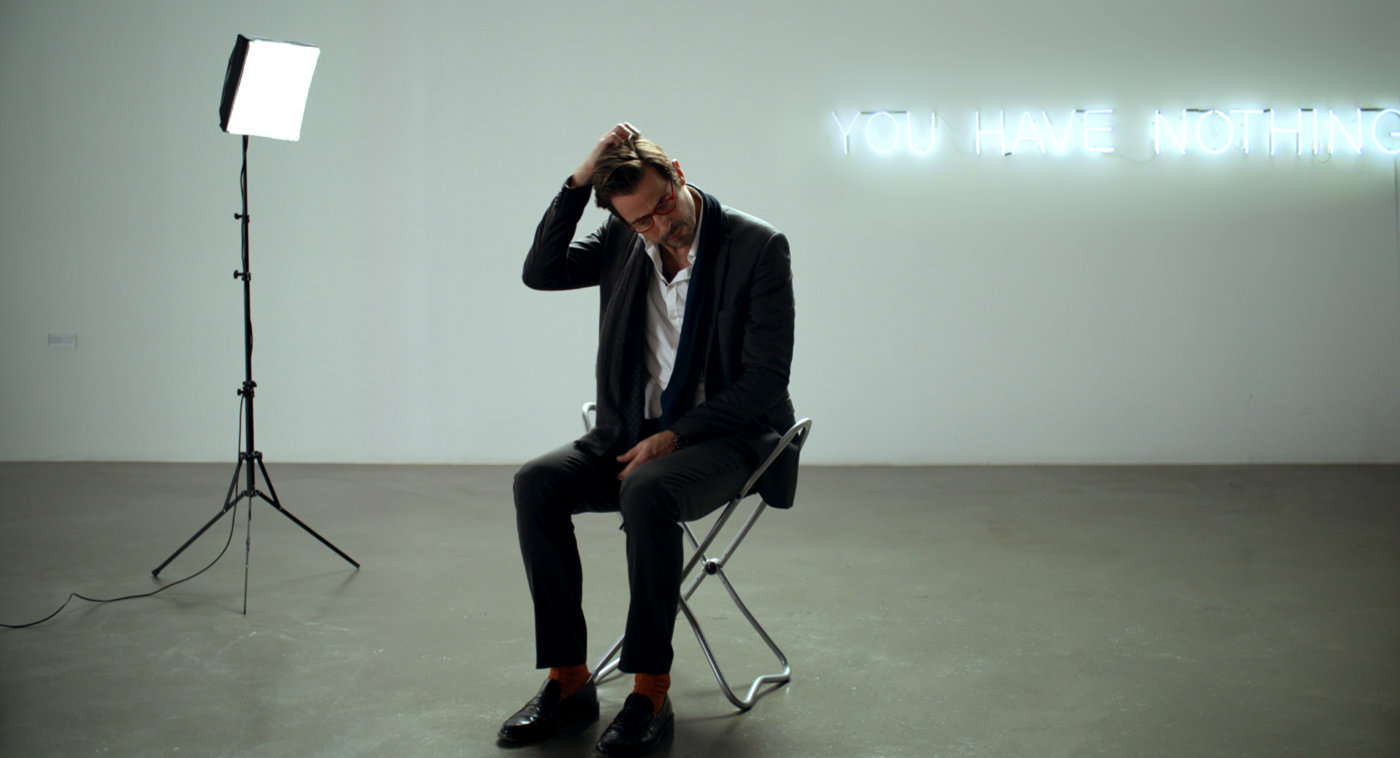
The film explores a museum curator who is set to stage an upcoming exhibit for an artist that is set to create some controversy while he deals with many aspects of his life that begins when his wallet, phone, and cufflinks were stolen. It is a film that is really a character study of a man that is dealing with a life that is in chaos as he runs an art museum in Stockholm that is about to display this exhibit for an Argentine artist that is to say a lot about humanity. The moment he becomes a victim of theft is where things start to fall apart for him as he would get himself into lots of trouble both professionally and personally. Ruben Ostlund’s screenplay is largely straightforward as it largely follows the life of Christian (Claes Bang) who is trying to stage an exhibition where it all revolves around a square and its meaning with society. Yet, the theft of his phone, wallet, and cufflinks would put Christian into a tailspin just as he is about to present this exhibit. A couple of his assistants would help find his possessions but Christian’s letters in asking for his return would get him into more trouble.
The first act is about Christian trying to hold the exhibit as well as figure out how to present it as well as getting his personal possessions back. The second act is about the return of those possessions but also his tryst with an American journalist in Anne (Elisabeth Moss) as well as the trouble he endures from a young Arab kid (Elijandro Edouard) with a discussion about art from an expert in Julian (Dominic West) being interrupted by a man with Tourette’s. Then a couple of promotional figures come in with an idea to promote the exhibition as what they come up with ends up becoming very controversial with Christian being the target of what was presented. The third act is about the fallout but also Christian dealing with what he did to this young kid as well as a dinner with a performance artist in Oleg (Terry Notary) that went too far.
Ostlund’s direction definitely has a lot of gorgeous imagery and compositions as it is shot on location in and around Stockholm as well as Gothenburg and parts of Berlin with the museum being a major character in the film. Yet, Ostlund makes something definitely play into a crucial period in time for not just Sweden but Europe itself as it relates to the migration crisis of the time as the city is filled with not just a lot of homeless people around Christian’s world but also some of Arab descent. It is Ostlund making a social commentary about the art world and its disconnect with the real world though the exhibit Christian is to present is about this need for equality even though he doesn’t do anything about what is around him though he would buy a sandwich for a woman and later give a homeless person some money. It is Ostlund trying to say something about the world while the scenes set in the museum are presented in some strange form of satire in some of the exhibits shown but also in what Christian is set to present from this unseen Argentine artist.
There are a lot of wide and medium shots that Ostlund create that include some gazing images although there are moments where the film does drag as it has a running time of over two-and-a-half hours. Notably as it wants to be funny at times but also be serious as there is an element of unevenness in what Ostlund wanted to do though the eventual promotional clip for this exhibit is a moment of dark comedy. The film’s third act involves this moment of intense discomfort as it is meant to be a satirical comedy of these parties but also how someone takes it too far. Even as Christian becomes troubled by the fact that he is surrounded in a world that is confusing and detached from reality where he also has to answer for things he did although he is confronted by people who have their own agendas rather than hear the truth. Overall, Ostlund crafts a captivating film about a museum curator dealing with personal and professional challenges just as he’s about to present a controversial art exhibit.
Cinematographer Fredrik Wenzel does brilliant work with the film’s cinematography with its usage of low-key lighting for some of the interior/exterior scenes at night with some vibrant lighting for a major dinner scene as well as some straightforward shots for some of the daytime exterior scenes. Editors Ruben Ostlund and Jacob Secher Schuslinger do excellent work with the editing as they allow shots to linger for a few minutes as well as create a stylish montage for Christian and Anne’s sex scene. Production designer Josefin Asberg does incredible work with not just many of the interiors and exhibits inside the museum but the square outside of the museum along with some of the objects at the homes of a few characters. Costume designer Sofie Krunegard does fantastic work with the costumes as it is largely straightforward with the exception of tuxedos and designer dresses at the dinner in the third act as well as the cheerleading costumes that Christian’s daughters wear.
Makeup designer Erica Spetzig and special effects makeup artist Morten Jacobsen do terrific work with the look of a few characters with Oleg being notable in a few bits. Special effects supervisor Johan Harnesk, plus visual effects supervisors Samir Arabzadeh, Jonah Edstrom, and Tomas Naslund, does nice work with the visual effects as it is largely bits of set dressing as well as the look of a few promotional bits and in some of the art exhibits. Sound editor Andreas Franck does superb work with the sound as it is straightforward but also in how music sounds as well as how sparse elements in a room are presented. Music supervisor Rasmus Thord creates a wonderful music soundtrack that largely consists of acapella pieces from Bobby McFerrin as well as music from Justice, Sultan + Shepard, Holl & Rush, Gasolin, and classical pieces from Johann Sebastian Bach that is performed by Yo-Yo Ma with McFerrin as it play into the film’s offbeat tone.
The casting by Pauline Hansson is remarkable as it feature some notable small roles from Lise Stephenson Engstrom and Lilianne Mardon as two of Christian’s daughters, Daniel Hallberg and Martin Sooder as a couple of advertising agents who would create a controversial YouTube video, Annica Liljeblad as a museum personnel who interviews Julian, Marina Schiptjenko and Nicki Dar as a couple of board members of the museum, Elijandro Edouard as a young Arab kid who gets a letter from Christian accusing him of being a thief, Christopher Laesso as an assistant named Michael who helps Christian find his possessions, and Dominic West as an art expert named Julian who finds himself becoming a target during a dinner at the museum.
Terry Notary is brilliant as the performance artist Oleg who acts like an ape during a dinner as he takes things too far. Elisabeth Moss is amazing as Anne as an American journalist who interviews Christian for a piece only to embark on an affair with him that becomes a bit weird as Moss brings some humor to her performance. Finally, there’s Claes Bang in an incredible performance as Christian as a museum curator who finds himself dealing with professional and personal crises as there is humor in his performance but a lot of it is straightforward as he also displays a sense of arrogance in his character who endures humility as well as the fact that he doesn’t have much control in his life.
The Square is a marvelous film from Ruben Ostlund. Featuring a great cast, amazing set designs, and a witty study of a man’s life in chaos. It is a film that is an engaging satire despite some flaws in its narrative and lack of major action that occur in the film. In the end, The Square is a remarkable film from Ruben Ostlund.
Ruben Ostlund Films: (The Guitar Mongoloid) – (Involuntary) – (Play (2011 film)) – Force Majeure - (Triangle of Sadness)
© thevoid99 2022


