Wednesday, July 06, 2011

Night on Earth


Written and directed by Jim Jarmusch, Night on Earth is a collection of five stories set in five different cities all over the world where a taxi driver and a passenger would engage in various conversations during their brief time together. The film has Jarmusch going into various places with different actors in each city to explore the dynamic between passenger and driver. With an all-star cast that includes Winona Ryder, Gena Rowlands, Armin Mueller-Stahl, Giancarlo Esposito, Rosie Perez, Issach de Bankole, Beatrice Dalle, Roberto Benigni, Paolo Bonacelli, and Matti Pellonpaa. Night on Earth is an extraordinary yet hypnotic film from Jim Jarmusch.

In Los Angeles, tomboy cab driver Corky (Winona Ryder) picks up the rich casting agent Victoria Snelling (Gena Rowlands) at an airport on their way to Beverly Hills. During the ride, the two women discuss the fallacies of men and their differences as Victoria reveals to have night blindness while Corky aspires to be a mechanic. In New York City, a man named YoYo (Giancarlo Espositio) is trying to get a ride to Brooklyn as he gets a cab driver in an East German circus clown named Helmut Grokenberger (Armin Mueller-Stahl). Unfortunately, it’s Helmut’s first day as he doesn’t know the city nor how to drive as YoYo takes over where the two talk while picking up YoYo’s brash sister-in-law Angela (Rosie Perez).

It’s late at night in Paris as a frustrated cab driver (Issach de Bankole) had just been dealing with a couple of awful passengers (Pascal N’Zonzi and Emile Abossolo M‘bo) as he takes a blind woman (Beatrice Dalle). During the ride, the driver is fascinated by the blind woman as she reveals that she can still do things despite her blindness. In Rome, the talkative Gino (Roberto Benigni) wears sunglasses during the late night as he picks up an ailing priest (Paolo Bonacelli). During the ride, Gino reveals his many sins which overwhelms the priest. In Helsinki, Mika (Matti Pellonpaa) picks up three passengers (Kari Vaananen, Sakari Kuosmanen, and Tomi Salmela) where one of them has just had the worst day of life as Mika tells them a story that moves the two awake passengers.

The idea of a taxi as far as a driver and passenger is concerned is this. Driver takes the passenger on a ride. Passenger tells the driver to its desired location. Driver does that and once the destination is reached, driver gets paid and the passenger is at its desired location. Yet in a world as glorious as this, a simple cab drive could be something more as Jim Jarmusch creates five different stories in five different worlds with several different people in different situations. All in different races, nationalities, age groups, and personalities as Jarmusch creates something is truly engaging in the stories that are told.

In each segment of the film, there is something happening between passenger and driver where they all get something out of this little moment in their lives. For the L.A. segment, two different women bond over their frustration towards men along with their different lifestyles. In the NYC segment, an East-German man becomes fascinated by the city and the two people he meets as it’s a great sense of discovery on his first day as a taxi driver. In Paris, a man from the Ivory Coast is fascinated by this blind woman as he seems uninterested in what he’s doing. The segment in Rome has a very talkative man who drives very fast as he ends up overwhelming an ill priest that is strange dark comedy as it’s one of the strangest. The last segment in Helsinki has a driver taking in three passengers where he reveals to them a sad story that reveals that there’s always something worse from happening.

The script that Jarmusch creates is very loose as each segment is given enough time to develop the relationships and the stories told in these segments. In his direction, Jarmusch goes for the same kind of compositions of each segment to capture the driver and passengers with the camera always in front of the car. Yet, he also brings something different to the look and tone of each segment as some are light-hearted while some can seem grim and entrancing. Jarmusch keeps each segment and fresh so each can bring something different to the table. The film and each segment is preceded with a shot of five clocks where the camera zooms towards the clock with the city’s name above and a globe to reveal where what city is to be told.

Throughout the entirety of the film, each segment opens with a look of the city at night in a montage and a cab to introduce the driver, with the exception of the NYC segment, for each segment. During the entirety of the segments, shots of the cities at night are taken place to reveal what locations the driver and passengers are at. The overall approach to Jarmusch’s direction is very stylish yet intimate portrait of an entire night on earth in five different cities with different people musing about the world around them. What Jarmusch creates is a truly exciting and entertaining film that is unconventional yet engrossing in its simplicity.

Cinematographer Frederick Elmes does a wonderful job with the film‘s colorful cinematography from the evening look early in the Los Angeles airport scene to the colorful lights in New York and Los Angeles. Elmes’ work adds a wonderful beauty to the cities with blue lights for the Paris and Helsinki scenes to more intimate settings for the scenes in Rome. Editor Jay Rabinowitz does a great job with creating some stylish cuts for the film while maintaining a fascinating rhythm for many of the conversation scenes that occur in the film. Rabinowitz also keeps a tight pace for each segment at around 20-25 minutes in total to bring enough moments for each story.

Sound designer Anthony J. Ciccolini III does an excellent job with the sound to capture the differing atmospheres of each city along with the intimacy of the cab conversations between the characters in the film. The film’s music by Tom Waits is superb as it is a wonderful mix of jazz and folk that includes different instruments to play to each city. Featuring a few songs written by Waits and wife Kathleen Brennan, Waits score is definitely a highlight of the film as the rest of the soundtrack includes additional music pieces from Davie Allan and Blue Cheer for the L.A. segment.

The big ensemble cast is truly magnificent as each segment provides something different for the film. In very small roles include Lisanne Falk as a manager for band that Corky had brought in the L.A. segment while Pascal N’Zonzi and Emile Abossolo M‘bo are good as the two passengers who annoy the driver in the Paris segment. In the Helsinki scenes, Tomi Salmela is good as the drunk passenger who is passed out while Kari Vaananen and Sakari Kuosmanen are excellent as the other passengers who starts to befriend the cab driver Mika following his story. Matti Pellonpaa is amazing as Mika, the Helsinki cab driver who maintains a stoic approach to his performance as he holds his emotions together during the drive. Paolo Bonacelli is wonderful as the ailing priest who is forced to listen to his driver’s confessions while Roberto Benigni is hilarious as the talkative Gino whose confessed sins prove to be too much in an otherwise dark but funny segment.

Beatrice Dalle is brilliant as the blind passenger who can feel things around her despite her blindness while Issach de Bankole is superb as the quiet driver who is fascinated by the presence of his blind passenger. Rosie Perez is very funny as the brash Angela who spouts all sorts of profanities towards her brother-in-law while being a bit nice towards Helmut. Giancarlo Esposito is also funny but charming as YoYo who tries to help Helmut about being a cab driver and showing him New York City while Armin Mueller-Stahl is phenomenal as the East German cab driver on his first day in amazement on the world around him. Winona Ryder and Gena Rowlands are spectacular as the two different women in L.A. who share their disgust about men while bonding over their differences in low-key but fun performances.

Night on Earth is a fascinating yet magical film from Jim Jarmusch. Armed with a diverse yet exhilarating ensemble cast of actors and in five different locations. It’s a film that truly chronicles the idea of how big the world is and despite the different nationalities, races, genders, and personalities shown in the film. These characters all will have a brief experience that is profound in a world as vast as this one. In the end, Jim Jarmusch creates a lively yet exciting film with Night on Earth.

Jim Jarmusch Films: Permanent Vacation - Stranger Than Paradise - Down By Law - Mystery Train - Dead Man - Year of the Horse - Ghost Dog: The Way of the Samurai - Coffee and Cigarettes - Broken Flowers - The Limits of Control - Only Lovers Left Alive - Paterson - Gimme Danger - The Dead Don’t Die - (Father Mother Sister Brother) - The Auteurs #27: Jim Jarmusch

© thevoid99 2011

Tuesday, July 05, 2011

Blog News 7/5/11 & Blogging Around


Well, for anyone who had read my work during my days of Epinions will know that if I had stayed in that decaying shit-hole. I would've had my 11th Anniversary but that's not going to happen. It's strange that the place that I did a lot of my writing for about a decade where I had hoped to leave with a bang. Instead, I left with a sense of frustration and anger towards the people who ran the site. The few reasons I still go there are to retrieve my old movies reviews so I can post them here and re-edit them depending on the review. The other reason is to rate other people's reviews and to get paid whatever measly cash I get. Yet, that is becoming less frequent as the writing that I often read has suffered. There's very few people that actually care and put effort into their work. Others are just posting to get paid or win some lame prize.

That's something I'm not into. Right now, I feel more comfortable writing here and at The Void-Go-Round where I recently finished posting a review of the Cure's Pornography in my series of the band's career from 1979 to 1990 to explore their deluxe reissues. Most of which are out of print as physical products. After that, I hope to do bands like Suede and many other of my favorite bands as I'm starting to get back into writing music reviews again and having fun doing it. I'm doubtful I'll do new records for the time being as I'm having fun re-visiting some old albums.

It's among the many projects I'm doing as I like to have a lot of things to be in the works. My 1991-20 essay project is in rough form as it is nearing completion while I'm getting started on a separate piece called 1991 Indie about the rise of British and American alternative/indie music of that year. I plan to release those during the fall that will culminate with a list of the 25 best albums of 1991 with the last 10 being presented in essay form.

Aside from that project along with my screenplay that's in the works and the upcoming Auteurs project on Gus Van Sant that I'm going to start work on in late July/early August. My 10th-Anniversary project on Ghost World will finally come out next week. I'm nearly done with the essay along with a couple of old reviews on the film and screenplay book that I've already re-edited and finished. The only thing I need to do is finish the graphic novel and review the soundtrack. Then I can get that out of the way and go back to reviewing films and work on other projects.

I don't do all of these projects all at the same time. I do it when I'm in the moment and I feel like doing it. Yet, I pace myself and take my time. Sometimes, a review can be done in a few hours though I stop to take a few minutes in between the writing process. Sometimes, it might take me much longer though I would probably stop that day and finish it the next. It all depends on how I'm feeling and my own enthusiasm about it.

In the world of the blogosphere, there's a lot going on that I think people should check out. Edgar @ Between the Seats & Bill @ Bill's Film Emporium are continuing their exploration of the westerns with what I believe is a very underrated film in Open Range. The reviews from Edgar and Bill.

Courtney @ Big Thoughts From a Small Mind has a great piece about Supporting Characters who Become the Leads which is a great read about the dangers of supporting characters from film franchises becoming the protagonists which is one of the reasons why Cars 2 didn't work.

Transformers: Dark of the Moon had just made $400 million worldwide. I'm so ashamed that people are willing to give that fucking cunt of a filmmaker Michael Bay more money to make his shitty movies. Fuck that guy. However, some brave souls managed to write some amazing reviews of this catastrophe. Among them are Sam @ Anomalous Material, Marshall @ Marshall and the Movies, Jake @ Not Just Movies, Andy & Andy Buckle's Film Emporium, and Leysa @ Eternity of Dream.

Alex @ Film Forager has a wonderful review of what is my favorite film by Wim Wenders, so far, in Paris, Texas.

Bonjour Tristesse is getting started on his study on Hungarian Cinema as I'm anxious to read his thoughts on Bela Tarr. A filmmaker I'm interested in yet haven't seen his films.

John @ John Likes Movies reviews The Eagle reminds all of us that Channing "Mumble-Mouth" can't act worth a shit.

Finally, there's a couple of more great reviews of what is surely going to be one of the best films of 2011 in The Tree of Life from Norma @ The Flick Chick and Andy @ Andy Buckle's Film Emporium.

Now that 2011 is halfway open. It's often time for a list of the best films of 2011 so far. Well, I can't really do that as I still haven't presented a list of the best films of 2010 as there's films I need to see. When it comes to lists, I consider myself to be a perfectionist of sorts. Bottom line is this, if a film has played somewhere around the world in that year. It should be placed in that year as recent releases like Beginners and Submarine is more likely to presented in my 2010 list if they're good. So far, my # 1 and #2 favorite films of 2011 are The Tree of Life and Midnight in Paris with Hanna in third and Source Code in fourth. I'm often underwhelmed by the first half though I'm still trying to find some recent 2011 films to see that are available on DVD or online. When the fall season starts to arrive, that's when things become serious for me as I get rolling.

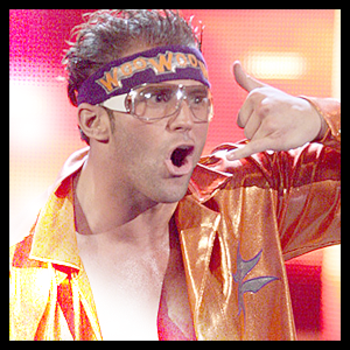
Well, that's it for today. Subscribe to this Youtube Channel (not mine), like me on Facebook (don't have an account), follow me on Twitter (I don't use that crap), buy the t-shirt (you don't have to). And remember... Take care. Spike your hair. Woo-woo-woo! You know it Bro!!!


Monday, July 04, 2011

Rules of the Game


Originally Written and Posted at Epinions.com on 6/2/08.


Before the era of the French New Wave of the 1960s, France's greatest director who helped bring French cinema to the masses was Jean Renoir. In the 1930s, Renoir had come off a period of doing silent films as he was making new films with sound. In 1937, Renoir hit it big with the films Le Grande Illusion (Grand Illusion)and Le Bete Humaine (The Human Beast). Two years later, Renoir had his own financing to make a film that wouldn't just solidify his status as one of the greatest filmmakers that ever lived. For his next film, he would satire the world of the upper class and its sense of grandeur for the film entitled La Regle Du Jeu (The Rules of the Game).

Directed and starring Jean Renoir with a script he co-wrote with Carl Koch based in part of Alfred de Musset's Les Caprices des Marianne. La Regle Du Jeu tells the story of a gathering in a mansion as a man returns to learn that his beloved is with someone else. Distraught, he is invited to a gathering in the French countryside as affairs and flirtations arose between the rich and their servants. A study about the upper class and the people who work with them, the film is also about a study of manners in how these different people portray themselves. Also starring Roland Toutain, Marcel Dalio, Nora Gregor, Mila Parely, Odette Talazac, Anne Mayen, Paulette Dubost, Gaston Modot, and Julien Carette. La Regle Du Jeu is a brilliant, witty, and satirical masterpiece from Jean Renoir.

After successfully flying 23 hours across the Atlantic, Andre Jurieu (Roland Toutain) has arrived in France as he achieved a great feat. Yet, when he sees that his beloved Christine (Nora Gregor) had not shown up and who he did this for, he is heartbroken as he is comforted by his friend Octave (Jean Renoir). Christine is at home with her loyal maid Lisette (Paulette Dubost) while planning a gathering in the French countryside that will include Christine's husband Marquis Robert de la Chesnaye (Marcel Dalio). Robert however, is having an affair with Genevieve (Mila Parely) which is now becoming rocky as he is aware that Christine is falling for Andre. In a suicide attempt by crashing a car, Andre is still heartbroken as Octave talks him out of his funk as he walks home to see Christine, whom he has known for years and often treats her like a sister. Learning of the gathering they’re going to have, he decides to come and invite Andre.

With Robert and Octave hoping to pair Andre with Genevieve to solve everyone's problems, everyone leaves for the weekend retreat at their country estate. Joined by Charlotte da La Plante (Odette Talazac), the general (Pierre Magnier), Christine's niece Jackie (Anne Mayen) and Monsieur de Saint-Aubin (Pierre Nay), they also meet the estate's gamekeeper and Lisette's husband Schumacher (Gaston Modot). Schumacher notices a bunch of rabbits in the field while hoping to catch poachers as he finds one of them named Marceau (Julien Carette) who Robert meets and gives him a job. Andre finally arrives, though still reeling over Christine's indifferent behavior towards him as Jackie falls for him. With plans to go over the hunt the next day, Lisette is wooed by Marceau at the servants floor. The hunt begins as everyone seems to have a good time while Christine learns something horrifying.

Later that night, a masquerade ball happens with several guests as things start out smoothly but numerous romantic liaisons between several guests and servants lead to chaos. Octave begins to reveals his own romantic feelings for Christine as things get crazy and such. With Robert losing control of the situation and Andre still having intense feelings for Christine, a tragic mistake would occur in the heat of jealousy and passion.

Films about a gathering often reveals what goes in the parties and the people behind them. What Renoir does is examines the lives of the individuals and the servants involved as everything unfolds in this weekend. What it's really about is these group of upper class individuals trying to escape the problems of their own life through acts of decadence whether its hunting for rabbits and birds or through these parties they hold with their rich friends. Yet, underneath all of this is the servants who are trying to help run things yet are dealing with their own problems as flirtations and romantic liaisons lead to chaos and tragedy. In many ways, the film is a study of manners, people, and the lives they lead in whether it's filled with things or just simply empty lives.

While the script and character studies in the story are wonderfully written, it's Renoir's observant, stylish direction that is truly mesmerizing. From the way he captures the drama in his framing to the tracking shots of what is going on amidst the chaos in the countryside estate. What was amazing about that tracking shot where the camera moves to see what's going on and everything is unbroken and the audience is watching everything unfold. At that time when it was made and released, it was kind of a new thing to see. Another scene, the famous hunting scene is brilliant for its sense of brutality. Had it been done today with real-life rabbits and birds actually being shot like that, it would've caused outrage with animal-rights activists. Yet, the fact that Renoir got away with it to show how much the upper class seems to enjoy all of this when they don't really much to do with their lives.

The direction that Renoir took is superb as while the people who serve the rich are clearly more interesting than the ones they serve. Renoir shows the sense of loyalty and honor they have for the people they work with while being allowed to state their opinions. Yet, Renoir's focus is still the people who live in the fancy bedrooms and eat the fanciest meals but are not actual stereotypes. They're real people that have real problems as they find themselves with lives that are often empty and not much to show for. The character of Andre is someone who just accomplished a feat that makes him a national hero and he's whining about the fact that Christine isn't there for his countrymen to hear. Octave is someone who believes is a failure with nothing to live for or has the motivation to do anything.

Then there's Christine, the object of affection for all involved as a woman who is amazed at the men who love her yet isn't sure what to do about herself. Another person who loves her is Lisette, whose loyalty to Christine might conjure up homosexual tendencies. Yet, she also drives a conflict between her husband Schumacher and Marceau for her affections. Then there's Robert, a man who is trying to control everything around him as well as the guests and once all the chaos ensues. He tries to maintain control everywhere but in his personal life, things are definitely spiraling down. The film's tragedy in the end emphasizes how much things can go wrong and one person is trying to maintain that sense of control while others affected by it seem completely lost. It's Renoir's sense of study in his direction and the script he co-wrote that ensures in why this film is truly magnificent from start to finish.

Cinematographers Jean Bachelet and Jacques Lemare do superb work with the film's black-and-white photography to emphasize the look of the rich early on as well as magnificent exterior shots of the French countryside. The interiors are richly done yet it's best work in the lighting is for the exterior nighttime sequences near the end of the film that is truly rich and haunting to foreshadow what's to come. Editor Marguerite Renoir does fantastic work with the film's cutting in the use of dissolves and fade-outs to add style and a pacing that is unique for the film. Production designers Eugene Lourie and Max Douy do fantastic work with the film's set decorations and the look of the house and such. Even in the designs of the staging they used for their plays in the ball scene.

Legendary costume designer Coco Chanel creates amazing clothes for the look of the film with its sparkling dresses, masquerade costumes, Lisette's hood, and everything else. It's dazzling though in seen in black-and-white while adds a wonderful touch to the film's look. Sound engineer Joseph de Bretagne does fantastic work with the film's sound work to capture the suspense as well as the chaos that goes on in the film. The film's music is a mix of classical pieces from Mozart, Chopin, Monsigny, Salabert, and Saints-Saens all arranged by Roger Desormieres and Joseph Kosma for the film's party scenes and music boxes.

The cast is unique for its array of characters that include small performances from Pierre Magnier as a general, Odette Talazac as socialite Charlotte, Eddy Debray as the lead servant Cornielle, Lise Elena as a radio reporter, and Pierre Nay as Saint-Aubin, a lover of Christine whom Andre fights. Anne Mayen is great as Jackie, a young woman who has a crush on Andre while looking at Octave as an older brother. Gaston Modot is great as the jealous, bullying Schumacher who feels threatened by the presence of Marceau as well as being possessive of his wife Lisette. Julien Carette is great as the charming, poor Marceau, a man who wants to have the chance to serve the rich as he enjoys his job while flirting with Lisette and battles Schumacher. The film's best supporting performance goes to Paulette Dubost as Lisette, Christine's loyal maid who is very caring to her mistress while falling for the attention of Marceau.

Mila Parley is great as the mistress Genevieve who is aware of Christine's presence while trying to be her friend as she also juggles her affair with Robert. Marcel Dalio is also great as Robert de la Chesnaye who is trying to maintain control of everything both in front of everyone and in his personal life as everything starts to lose control. Nora Gregor is excellent as Christine, the woman who is being loved by everyone as she is confused by her beauty and the men who love her as she tries to find the one man who loves her. Roland Toutain is brilliant as the heartbroken Andre, a despondent man desperate for the heart of Christine that he'll fight anyone who'll get in his way only to realize that he's becoming a fool. Finally, there's Jean Renoir in a superb performance as Octave, a man who has failed who tries to keep everyone together and such while only to realize he's in love with Christine as Renoir's calm, wise performance is truly magnificent.

When it premiered in 1939 with a 91-minute running time, the film drew a scathing response from critics and audiences when it was released. Jean Renoir was forced to re-edit the film with his wife Marguerite to 84 minutes, it still didn't do well at the time France was entering World War II. It was banned afterwards, then lifted, and then banned again. Then in 1959, film historians Jean Gaborit and Jacques Durand salvaged the film for a reconstruction along with unreleased footage with help from Renoir as it premiered at the Venice Film Festival that year to a huge ovation with a new cut of 106 minutes. In 2004, the film was restored and reissued for its Criterion DVD release in the same reconstructed version back in 1959 as it's often considered to be one of the greatest films of all-time.

La Regle Du Jeu is a witty, satirical, and powerful film from Jean Renoir. With a superb cast and Renoir's observant direction, it's a film that is a must-see for anyone who loves films as well as newcomers new to foreign films and art-house films. It's a film that's filled with a lot of humor, wit, and tragedy. While the film is certainly innovative, particularly for being influential to many filmmakers and films, most recently Robert Altman's 2001 film Gosford Park. Those new to Renoir will no doubt find this film as a great starting point. In the end, La Regle Du Jeu is a film that is truly brilliant worth watching every time from the late, great Jean Renoir.

Jean Renoir Films: (Backbiters) - (La Fille de l’eau) - (Charleston Parade) - (Une vie sans joie) - (Marquitta) - (The Sad Sack) - (The Tournament) - (The Little Match Girl) - (Le Bled) - (On purge bebe) - (Isn’t Life a Bitch?) - (Night at the Crossroads) - Boudu Saved from Drowning - (Chotard & Company) - (Madame Bovary (1933 film)) - (Toni) - A Day in the Country - (Life Belongs to Us) - (The Lower Depths (1936 film)) - (The Crime of Monsieur Lange) - Grand Illusion - (La Marseillaise) - La Bete Humaine - (Swamp Water) - (This Land is Mine) - (Salute to France) - (The Southerner) - (The Diary of a Chambermaid (1945 film)) - (The Woman on the Beach) - The River - (The Golden Coach) - (French Cancan) - (Elena and Her Men) - (The Doctor’s Horrible Experiment) - (Picnic on the Grass) - (The Elusive Corporal) - (The Little Theater of Jean Renoir)

© thevoid99 2011

Sunday, July 03, 2011

Broken Flowers


Originally Written and Posted at Epinions.com on 8/5/05 w/ Additional Edits & Revisions.


One of the most celebrated and influential of independent filmmakers, Jim Jarmusch has been known for making films about eccentric outsiders and loners starting with his 1982 student feature Permanent Vacation and his 1984 feature-length debut film Strangers in Paradise that won him the Camera D'or for best first film. Jarmusch continued to make eccentric and strange films like Down by Law, Mystery Train, Night on Earth and 1995's idiosyncratic western Dead Man that showed his range as a writer and director. Jarmusch also took the time to act in films including Billy Bob Thornton's Sling Blade in 1996 while in 1997, Jarmusch did a documentary with Neil Young & Crazy Horse for Year of the Horse.

After 2000's Ghost Dog which was an homage to hip-hop and samurai films, he took a break to compile footage of several shorts he did called Coffee & Cigarettes. In 2003, he released his collection of shorts where one of them included a meeting with the RZA and GZA of the Wu-Tang Clan and actor/comedian Bill Murray. Murray was riding high on the universal acclaim for his performance in Sofia Coppola's 2003 masterpiece Lost in Translation as he began to team up with Jarmusch again for another look into a loner for the comedy-drama Broken Flowers.

Written and directed by Jarmusch, the film revolves about a Don Juan womanizer named Don Johnston whose life as a womanizer is over as he receives a letter that he had possibly given birth to a son 19 years earlier. Starring Bill Murray as Johnston, the film is a part road trip, part human exploration of a man who explores his pasts and trying to find himself through the women he had been with. Also starring Sharon Stone, Tilda Swinton, Jessica Lange, Frances Conroy, Julie Delpy, Chloe Sevigny, Christopher McDonald, Mark Webber, and Jeffrey Wright. Broken Flowers is Jarmusch's most straightforward film to date while remaining true to his unique approach to storytelling.

After his girlfriend Sherry (Julie Delpy) leaves him, Don Johnston finds a mysterious pink letter with claims that he has a long-lost son. Turning to his Ethopian-neighbor Winston (Jeffrey Wright), Winston believes that the letter is from an ex-girlfriend of Don as he gives Don maps to find out which of these ex-girlfriends are the father of his long-lost son. Johnston is reluctant to take the trip as he finally decides to go with Winston's map and a mixtape of music Winston has made filled with Ethopian jazz.

Arriving into his first destination, he meets Laura (Sharon Stone) who has become a widowed closet organizer with a kooky daughter named Loliga (Alexis Dziena). After learning about Laura's late race-car driver husband, the meeting Don has with Laura was strange as was Lolita's seductive presence. His next trip to meet with Dora (Frances Conroy) where she has become a real estates agent living in an upper class world with her husband Ron, also a real estate agent, that proved to be awkward and repressing. Don continues his journey to meet with Carmen, a veterinarian who talks to animals, that also proved to be another strange journey as he also meets her assistant (Chloe Sevigny).

During his stop to meet the fourth woman in the trip in Penny (Tilda Swinton), the meeting becomes a big disaster as he encounters bikers as he goes into one last trip to the fifth woman that already had died. Returning home, he meets a young man (Mark Webber) at an airport where Don ponders about his life and the trip he had taken.

While the story of the film is clearly Jarmusch's most straightforward film to date, the film still contains his strange, idiosyncratic views on the world, notably suburban America. The offbeat comedy style of the film works very well since it matches a lot of the dramatic scale in which the Don character grows up to learn of his own flaws for being a Don Juan. Jarmusch as a writer definitely gives a story that is filled with a lot of heart and humanity in a man who is trying to rediscover himself through women while trying to find the idea that he might have a son so he can teach him some life lessons.

On the directing front, this is Jarmusch at his best since he uses all sorts of styles from French New Wave (in which he dedicated his film to filmmaker Jean Eustache), European cinema, and everything he's learned about comedy and drama. From that standpoint, it's his most mature work to date that has some elements that appeals to a wide audience. The only flaw that is done in the film in terms of its writing and directing is the ending which can be described as abrupt. Still, that's typical Jarmusch who refuses to have some kind of happy ending but it's the kind of ending that leaves you thinking afterwards.

Helping Jarmusch to capture a natural, authentic look to the film without any kind of gloss is cinematographer Frederick Elmes who uses a realistic look to many of the film's locations in exterior and interiors. Even in the dream sequences, the look of the film is a bit grainy but in a dreamy texture. Production designer Mark Friedberg also captures the authentic feel of the film from the restaurant that Don and Winston drink coffee at to the homes and places of the women Don's looking for. Even John A. Dunn's costume design has a realism to the film where it doesn’t looked polished. Editor Jay Rabinowitz definitely scores with the film's editing style which has some nice jump-cut sequences in the driving scenes along with some nice fade-out cutting in some scenes that gives the film a nice, stylized editing approach that is clearly from the mind of Jim Jarmusch.

The film's music is widely diverse and original since most of it is from a mix-CD of music from Winston that definitely plays well to his character. Most of the music and score is dominated by some unique and catchy Ethiopian jazz music from composer Mulatu Astatke along with a few cuts from the Brian Jonestown Massacre and Marvin Gaye. The film's opening theme music and other cuts from Holly Golightly and the Greenhornes that has a nice, 1960s garage feel that is a pure discovery of some great music that leaves you humming and wanting to pick up the soundtrack.

Then there's the film's wonderful cast which includes some nice small performances from the children of Winston including one little girl who has a nice scene with Murray and Wright. Also doing well are Chris Bauer and Larry Fessenden as Penny’s biker buddies, Pell James as a flower girl clerk, Heather Simms as Winston's wife, Chloe Sevigny as Carmen's assistant, and most of all, Alexis Dziena as Laura's precocious, offbeat daughter Lolita who manages to steal a scene from Bill Murray in the most peculiar way. Mark Webber is also wonderful in the scene as a kid who might be Don's son.

Tilda Swinton and Julie Delpy might have small moments in the film but each actress use their brief time to shine. Delpy brings her frustration and beauty to the mix as Don's most recent girlfriend who wanted more from him in a wonderful performance. Swinton brings her chameleon-like approach to play a dirty, aggressive biker chick who just wreaks havoc into a single moment as she gets her moment to be funny. Jessica Lange gives her quirkiest performance to date as a Dr. Doolittle figure who likes to speak to animals while freaking out Bill Murray in a reunion of sorts from their 1982 film Tootsie.

Frances Conroy gives a restrained but offbeat performance in the film as the most straight-looking woman of the film but her lifestyle and ideas are so off in comparison to Don's lifestyle, Conroy is very funny. Christopher McDonald is even funnier as Dora's husband who manages to be a bit funnier and very off to the more restrained Murray as he continues to be one of the funniest character actors around. Sharon Stone is wonderful in a very funny performance as Laura as she uses her sexiness and sweetness into comedic levels that we haven't seen from her. It's by far one of her more enjoyable performances.

The best supporting performance of the entire movie easily goes to the wonderfully talented Jeffrey Wright who manages to shine in every second he's on film. Taking on an Ethiopian accent, Wright plays the funny man to Murray's more straight man approach. Wright is wonderfully generous and offbeat in his search to help Murray on his quest where in every scene he has with Murray, he does everything by coming into his house without knocking or giving him a mix-CD. There's a wonderful chemistry in Wright and Murray as the two uses different styles of comedy where it works and Wright deserves a lot of credit and recognition for his performance.

Then there's Bill Murray who gives a masterfully, minimalist performance that is almost as good as the one he gave as Bob Harris in Lost in Translation. Murray uses his restraint and face to give out all kinds of emotions that gives you an idea on what his character is doing to himself. Murray makes sure the character isn't a total likeable guy but one who has made mistakes. Murray even manages to be funny by doing so little and even in the words he says sometimes. He makes his character grow and have people care about him since he's trying to do wrong as it's one of Murray's best performances of his career.

While it's not up to par with Strangers in Paradise, Dead Man, or other favorites to some, Broken Flowers is a wonderful movie from Jim Jarmusch featuring a great cast led by Bill Murray and Jeffrey Wright. Fans of Jarmusch who might fear that the film is an attempt for him to go commercial will better think again cause it's not. The film as all the element of a Jarmusch picture that is very real with a bit of style. Fans of Bill Murray will definitely find this film that will feature one of his best performances to date while the real standout aside from Murray in the film is Jeffrey Wright who will definitely gain some new fans. For a film that is smart and with heart, Broken Flowers is truly one of the year's best films.


© thevoid99 2011

Saturday, July 02, 2011

Control (2007 film)


Originally Written and Posted at Epinions.com on 5/16/09 w/ Additional Edits.


If there's one band that deserves to be put in the same realm of brilliance as the Beatles, the Rolling Stones, the Who, Led Zeppelin, Pink Floyd, and many others in terms of influence. Joy Division deserves to be in that list. Though they only released two studio albums and lasted for about four years from 1976-1980. The band came out from the punk rock music scene in the U.K. after seeing the Sex Pistols in late 1976 along with members of the Buzzcocks, the Smiths, Mick Hucknall, and people that would form Factory Records. While the band would later become even famous as New Order following Joy Division's demise due to the suicide of Ian Curtis on May 18, 1980. Joy Division's influence has been influential as they helped set the stage for the early 80s post-punk scene.

One of those individuals who saw Joy Division live and even did photographs and music videos was Anton Corbijn. Corbijn is known as an associate shooting photographs and videos for acts like U2, Depeche Mode, and post-Black Album Metallica. Corbijn's unique, black-and-white, colorless music videos and photographs have a distinctive look that is grainy yet beautiful. For years, Corbijn's video work and photography have been acclaimed by many as they all await for Corbijn to make a feature film. In 2007, Corbijn finally made his feature film debut by focusing on the band that he saw back in the late 70s in Joy Division named after one of their songs entitled Control.

Directed by Anton Corbijn with an adapted screenplay by Matt Greenhalgh, based on the novel Touching From a Distance by Ian Curtis' widow Deborah Curtis. Control is about the life of Ian Curtis from his days in the early 70s where he met his wife to the days when he formed Warsaw that would become Joy Division. The film also focused on Curtis' troubles with manic depression and epilepsy as well as his affair with Belgian fan Annik Honore. Starring Sam Riley, Samantha Morton, Toby Kebbell, Alexandra Maria Lara, Joe Anderson, James Antony Pearson, Harry Treadaway, Craig Parkinson, and Ben Naylor. Control is a powerful yet eerie drama from Anton Corbijn.

It's 1973 in Macclesfield as a young Ian Curtis (Sam Riley) is walking around picking up a new copy of David Bowie's Aladdin Sane. Arriving into his room are his best friend Nick (Matthew McNulty) and Nick's new girlfriend Deborah (Samantha Morton) as they listen to the new Bowie album. While Ian seems normal, he does however go into daydreams in school while he befriends Deborah over their love of books and music as they attended a Bowie concert. After a few years of dating, the two marry though Ian remains somewhat reclusive in his attempt to write poetry. Then one day, the two attend a concert featuring the Sex Pistols. Also attending was Granada TV host Tony Wilson (Craig Parkinson) and three guys from a band called Warsaw in Bernard Sumner (James Anthony Pearson), Peter Hook (Joe Anderson), and Terry Mason (Andrew Sheridan).

The concert turned out to be an event that would change the fact of Manchester all together, Ian asked Warsaw if they needed a singer as he's in the band. Though Ian still works in an employment center getting jobs for people, he finds time to be in the band as they found a new drummer in Stephen Morris (Harry Treadaway) while Terry became their manager. The band, now known as Joy Division, raised money to make an EP which got the attention of Tony Wilson who mentions it on his TV show but didn't play it. The band is upset over Wilson's half-hearted mention as they give him grief until a performance impresses Wilson and a local DJ named Rob Gretton (Toby Kebbel) who offers to manage the band. Things start to come around as Deborah reveals she is pregnant while the band became a big hit in Manchester. After doing sessions with producer Martin Hannett (Ben Naylor) to record their debut album Unknown Pleasures. Things seemed fine until Ian's job at the agency had a strange encounter with a young, epileptic woman (Nicola Harrison) who had a fit as she would provide the inspiration to the song She's Lost Control.

A show in London was a disaster as on the way back, Ian started to have an epileptic seizure of his own. Realizing the seriousness of his condition, he goes into medication where the side effects of it take its toll. Forcing to quit his job, he does the band as a full-time job while Deborah gave birth to their newborn daughter Natalie. The newfound pressures of a family life and the band getting some success, Curtis finds solace in a Belgian fan named Annik Honore (Alexandra Maria Lara) whom he would have an affair with. Deborah becomes suspicious that Ian might be having an affair as Ian found inspiration to write the song Love Will Tear Us Apart to express his torn feelings for Deborah and Annik. Just as the band is recording their second album Closer and set to have an American tour in May of 1980, the pressure on Ian becomes too much as his epilepsy becomes more troubling to the point that he couldn't do another show. Even as friends try to help that would unfortunately lead to tragedy.

Bio-pics are often filled with the cliches that comes around when it comes to a musician or a singer. Corbijn and screenwriter Matt Greenhalgh does manage to stray away from those cliches by not starting out at the very beginning. Plus, Ian Curtis isn't some revered figure like a Tina Turner, Ray Charles, or even Johnny Cash. Instead, he's more of a tragic figure who would end up losing himself altogether due to manic depression and his troubles with epilepsy. While the screenplay does have a great structure in showing the band's rise and such. It does become uneven where in the first half, it moves pretty quickly from 1973-1978 but by the second half when Ian Curtis' marriage to Deborah disintegrates along with the presence of Annik. Things do slow down a bit as it focuses on that final year of Curtis' life. Therefore, the film that started off nicely kind of loses its momentum from the film's first half.

Another problem with the film, though in some respects is unfair, is that a wealth of the material that is covered along with personalities like Martin Hannett, Rob Gretton, and Tony Wilson are already known and told in another film. 2002's 24 Hour Party People by Michael Winterbottom about Factory Records. Though some of the dramatic interpretation about Wilson's signing the band to his label is different from Winterbottom's tale. The version told in 24 Hour Party People along with the personalities seemed better told though that film really bases things on exaggerations and legends. At the same time, with a lot of bio-pics, there's liberty into the dramatization of things though it's told truthfully. The men of Joy Division were a brash and always cursing. It's often due to the approach of both screenwriter Matt Greenhalgh and director Anton Corbijn.

Corbijn's presentation of the film is unique, though it doesn't have the grainy black-and-white look of his famed photographs and video work. The black-and-white look with touches of gray in a more polished yet eerie look does manage to give the film an arty yet nostalgic look. The compositions and still shots Corbijn create are striking while capturing the exuberance and chaos of a Joy Division show with the actors actually playing and singing these famous songs. Corbijn also does eerie camera movements for the film's second half to convey the dark tone of that half. Despite some flaws with the story and some dramatic liberties, Corbijn does create a film that is unconventional but also entrancing.

Cinematographer Martin Ruhe does a great job with the film's black-and-white cinematography that truly conveys a sense of nostalgia as well as look that plays up to the dark feel of the music of Joy Division. From the bright look of the concert halls and exterior/interior daytime shots to the dark, look of some interiors at night to convey the mood of what Ian Curtis was going through at the time. Editor Andrew Hulme does some excellent work with the film's cutting creating some smooth transitions and jump-cuts to keep the film's rhythm going though it does slow down in the film's second half due to its narrative approach.

Production designer Chris Roope and art director Philip Elton do spectacular work with the look of the 1970s music halls and venues along with the suburban homes that Ian Curtis and his colleagues live in. The items includes some vinyl records as well as posters of the heroes that Curtis looked up to at the time. Costume designer Julian Day does fine work with the film's costumes which includes some early 70s clothes and dresses to the more straightforward, simple clothing that the band wears in the late 70s along with the dresses the women wear. Sound editors Peter Baldock and Thomas Huhn do fantastic work with the sound in capturing the sounds of records and the live shows that are played throughout the entire film in all of its chaos.

The film's soundtrack features a lot of the original music from Joy Division as well as some eerie, somber score contribution from New Order. Yet, the soundtrack also features classic cuts from the likes of David Bowie, Roxy Music, Iggy Pop, the Buzzcocks, the Sex Pistols, Kraftwerk, and the Velvet Underground. All of which are great except for one things. A blasphemous cover of Shadowplay by the Killers who take the song to bloated heights as it's dark, eerie minimalist performance is now stretched into something more epic and poppy. All of which Joy Division aren't and it's an insult to the music of Joy Division has made.

The casting by Shaheeh Baig is excellent with a notable appearance from legendary punk poet John Cooper Clarke as himself in an appearance reciting one of his famous poems. Small roles from Lotti Closs as future New Order keyboardist Gillian Gilbert, Eady Williams as the baby Natalie Curtis, Joseph Marshall as Crispy Ambulance vocalist Alan who takes over for Ian on one troubled show, and Nicola Harrison as the epileptic young woman are memorable. Ben Naylor is good as the late, legendary producer Martin Hannett though couldn't live up to the larger-than-life personality that Andy Serkis portrayed in 24 Hour Party People. Matthew McNulty is good as Ian's schoolfriend Nick while Andrew Sheridan is also good as early manager Terry Mason. Craig Parkinson is very good in his role as Tony Wilson providing some humor to the character but again, he couldn't live up to the exuberant, smug performance that Steve Coogan gave in 24 Hour Party People.

In the roles of the band members in Joy Division, who would also become New Order, Harry Treadaway is very good in a small role as drummer Stephen Morris while James Antony Pearson is really good as Bernard Sumner who got more to do while being the one person trying to help Ian. Joe Anderson is great as Peter Hook in his shaggy, bearded look while being the guy who will get into a fight for his band and fart backstage. Alexandra Maria Lara is excellent as Annik Honore, a Belgian journalist who falls for Ian Curtis as she is unaware that she is tearing up his marriage to Deborah. Toby Kebbell is great as the late Rob Gretton, the band's manager who often spews profanity and insults while being the man to help the band keep things together.

Samantha Morton is phenomenal as Deborah Curtis with her innocent, shy personality early in the film to a woman just hurt by her husband's affairs and neglect. Morton's performance is really the heart of the film as she plays up to the woman who had been Ian's biggest fan only to be betrayed despite her love for him. It's a great role from an actress who rarely gives a bad performance. The film's big breakthrough is Sam Riley as Ian Curtis. Riley definitely looks like Curtis as he can sell the despair and intense performance of Curtis the singer while his dramatic approach to Curtis' own struggle is entrancing as it's definitely a fantastic performance from the young actor.

The film made its premiere as part of the Director's Forthnight at the 2007 Cannes Film Festival where it won the section's top prize. The film was met with high anticipation as it was well-received from critics and fans of the band. While it would win several awards from the British Independent Film Awards, the reaction from the members of Joy Division/New Order were well-receptive. Especially at a turbulent time for the band that would eventually led to Peter Hook's departure from the group while at the same time, a documentary on the band was released simply titled Joy Division.

Control is an excellent yet well-told bio-pic on the late Ian Curtis and the band Joy Division from director Anton Corbijn. Thanks in part to the performances of Sam Riley, Samantha Morton, and Toby Kebbell. It's a film that does give audience, who don't know anything about Joy Division, a chance to see how revered they are in the music world despite their lack of a large profile. Fans of Joy Division/New Order will be glad the film is told faithfully though might have a few issues over some of the dramatization that is told. Yet, the story of Joy Division is better told through its documentary as well as the Michael Winterbottom film 24 Hour Party People, the latter of which is more entertaining. In the end, despite its flaws, Control is a well-made bio-pic from Anton Corbijn on the legendary Ian Curtis and the band Joy Division.

Related: (24 Hour Party People) - The American - Joy Division (2007 film) - A Most Wanted Man - (Life (2015 film))

Joy Division Albums: (Unknown Pleasures) - (Closer) - (Still) - (Substance) - (Warsaw) - (Heart and Soul) - (The Complete BBC Recordings) - (Preston 28 February 1980) - (Les Baines Douches 18 December 1979)

© thevoid99 2011

Friday, July 01, 2011

Taking Woodstock


Based on the memoir Taking Woodstock: A True Story of a Riot, a Concert, and a Life by Elliot Tiber and Tom Monte, Taking Woodstock tells the story of how the famous 1969 music festival in Bethel, New York came to life with the help of a young man who brought the festival to his town. Directed by Ang Lee with an adapted script by longtime collaborator James Schamus, the film is an exploration on Tiber’s young life as he tries to save his parents’ motel by getting more than half a million people to attend the festival. Starring Demetri Martin, Imelda Staunton, Henry Goodman, Liev Schreiber, Jonathan Groff, and Eugene Levy with appearances from Paul Dano, Dan Fogler, Kelli Garner, Mamie Gummer, and Emile Hirsch. Taking Woodstock is a good though underwhelming film from Ang Lee.

Elliot Tiber (Demetri Martin) is an aspiring interior designer/artist who returns home to the El Monaco Motel in his town of Bethel, New York as it’s in danger of foreclosure. With his parents Jake (Henry Goodman) and Sonia (Imelda Staunton) short on cash, Elliot decides to help them as he hopes to organize another small music festival to raise money. With the realization that he needs to raise the money by the end of the summer, he seeks help from a local drama troupe to help them as he hears the news about a concert festival that is looking for a location. Elliot, who is also the local chamber of commerce, offers a permit to the concert organizers where he meets Michael Lang (Jonathan Groff) who brings his team to scout the location. Finally finding the place on the farm of Max Yasgur (Eugene Levy), Yasgur makes them a deal to hold the concert on his land.

With Elliot having some money that could help his family, he faces some trouble with the locals and health inspectors looking over the hotel as a transvestite named Velma (Liev Schreiber) offers to help as security. With Elliot realizing that more than a 100,000 people will show up and a press conference where he gets high becomes a disaster. He gets into really big trouble with the organizers as people come in thinking it’s a free concert as a lot more people come in. With his parents working to deal with the people, Elliot meets a carpenter named Paul (Darren Pettie) whom he falls for though he wonders what his dad will think about his homosexuality.

With the Woodstock concert finally happening, Elliot tries to see the show as he encounters a couple of hippies (Paul Dano and Kellie Garner) while hanging out with his old friend Billy (Emile Hirsch), a former Vietnam vet. Elliot also tries to deal with his mother’s strict attitude while his father seems to enjoy having the young hippies around. With all of the things happening around him, Elliot ponders his life and the family he loves while trying to catch a glimpse of the show at Woodstock itself.

The film is about how the famed Woodstock festival in August of 1969 was organized and how it found its location near a motel run by a Jewish couple and their gay son where the woman is a Russian refugee. Yet, it’s an interesting story for some aspects of the film as it’s told from the perspective of a young man who is essentially trying to save the motel his parents had been working hard for. Once that motivation for Elliot to save his motel happens through getting Woodstock to come to his town, the film’s mood starts to change a bit from a comedy to a character study that doesn’t really work very well.

The third act has Elliot trying to go to the concert but the real disappointment isn’t that the film doesn’t get to show the concert as it’s happening. Instead, there’s an acid trip and a mud slide where it kind of meanders a bit. Then there’s the character of Elliot Tiber where as a protagonist, he isn’t very interesting despite his development and character struggle with his homosexuality. While there’s a bit of reference to the Stonewall riots, the homosexuality parts of the film doesn’t really fit in with the narrative. While screenwriter James Schamus does some fine work in creating some interesting supporting characters and the organization of the festival. He didn’t do enough to create a very engaging third act where isn’t sure what to do.

Ang Lee’s direction is very stylish in its presentation as the opening credits scene features a lot of split screens and multiple shots of events happening at the same time. Lee does a lot to create some light-hearted moments that includes some funny scenes of Elliot’s parents fighting some anti-Semitic kids or some mob guys or stuff where people decide to get naked. There is a looseness to the direction that makes it very engaging for most of the film. By the time it comes to the third act, there’s still a few funny moments but it starts to drag a bit once Elliot encounters various people where it includes a very silly acid trip with weird visual effects that looks very silly. While Lee does create some wonderful compositions and intimate camera work throughout the film, he creates a film that is pretty decent but loses its excitement in the third act.

Cinematographer Eric Gautier does some wonderful work with the film‘s colorful cinematography in capturing the gorgeous landscape of upstate New York. Gautier’s photography has a lushness to many of the daytime exteriors while creating a more intimate look for some of the interior scenes in the film along with the nighttime exterior shots. Longtime Lee collaborator Tim Squyres does some fantastic work with the editing by creating a lot of stylized cuts to re-create some of the shots and multiple split-screens that is really an ode to the original Woodstock movie.

Production designer David Gropman, along with set decorator Ellen Christiansen and art director Peter Rogness, does some fine work with the look of the motel that Elliot lives in along with the farm and places that he frequents to. Costume designer Joseph G. Aulisi does some excellent work with the costumes from the straight-laced clothes that Elliot wears to the more lavish clothes many of the hippies wear. Visual effects supervisor Brendan Taylor does some OK work with the visual effects for the acid trip scene where some of the animation is inspired but it doesn‘t fit in with the tone of the film and makes the scene to be very silly. Sound editors Eugene Gearty and Phillip Stockton do some good work with the sound to capture the quietness of the town to the chaos and blaring music once the concert starts to happen.

The film’s score by Danny Elfman is a very folk-driven score to play to the setting that is 1969 with brimming acoustic guitars as it’s mostly set in sparse places. While Elfman’s score is very good, the rest of the music is surrounded by cuts from the music of the time such as Richie Havens, the Band, Crosby, Stills, & Nash, Janis Joplin, Arlo Guthrie, Blind Faith, the Doors, the Seeds, Love, Ravi Shankar, Jefferson Airplane, and the Grateful Dead plus a song from Judy Garland to complement the taste of the gays. The overall soundtrack is a real highlight of the film since it brings a bit of nostalgia as well as a primer for new listeners to the music of the times.

The casting by Avy Kaufman is pretty good for the large ensemble that is created that includes memorable appearances from Skylar Astin as Woodstock organizer John P. Roberts, Richard Thomas as Reverend Don, Darren Pettie as the construction worker Elliot falls for, Adam LeFerve as a local who despises Elliot for bringing hippies to the town, Mamie Gummer as Lang’s assistant Tisch, and Dan Fogler in a tolerable performance as the theater troupe leader. Other notable appearances include Paul Dano and Kelli Garner as a couple of hippies who take Elliot on an acid trip along with Jeffrey Dean Morgan as Billy’s older brother and Emile Hirsch in a comical though overdone performance as the Vietnam Vet Billy.

Eugene Levy is very good in a very laid-back performance as the farmer Max Yasgur who offers his land to the Woodstock organizers while wowing them with his chocolate milk. Liev Schreiber is excellent as the drag-queen Velma who is very tough and cool while being the one person who helps loosen up Elliot’s parents. Jonathan Groff as Michael Lang is one of the film’s most uninspiring moments as he ends up looking very goofy while not really giving the Lang character anything to do except say “hey man” and “groovy” with just a straight face.

Henry Goodman and Imelda Staunton are great as Elliot’s parents as they bring a lot of humor to their characters. Goodman as the more laid-back father who finds an ally in Velma as they fight off anti-Semitic youths as he also sports some subtle humor to his character. Staunton is even funnier as the Russian immigrant mother who often spouts stories of how she walked from Russia to America with cold potatoes while being the more strict as it’s a remarkable role for the British actress. Demetri Martin is OK as Elliot Tiber as he tries to make the character he plays interesting but is unable to do since he‘s practically a comedy actor. The problem is that Martin isn’t very engaging in his performance as he mostly stares at his surroundings while doesn’t really he seems unsure what to do in some of the performance as it’s a pretty uninspiring performance.

Taking Woodstock is a film that has a lot of good moments but loses steam in the third act that includes a very dull lead performance by Demetri Martin and the lack of footage from the famed Woodstock concert. Audiences who are interested in the history of the famed music festival will find this to be insightful over how it got organized though the actual Woodstock movie is a much better introduction about the festival. For its director Ang Lee, the film is pretty much one of his weaker efforts as he creates something that is very loose and lively though is unable to keep things interesting in the third act. In the end, Taking Woodstock is a fine film from Ang Lee despite some underwhelming moments.


© thevoid99 2011

Ride with the Devil


Based on the novel Woe to Live On, Ride with the Devil tells the story of a couple of young Southern men who join a Missouri-based guerilla group during the Civil War as they seek refuge by protecting a family with a slave helping them. Directed by Ang Lee with a script by longtime collaborator James Schamus, Ride with the Devil is an epic drama that chronicles the journey of young men who face terror in a troubled war while finding a life outside of conflict and vengeance. Starring Tobey Maguire, Skeet Ulrich, Jeffrey Wright, Simon Baker, Jewel, Jonathan Brandis, Jonathan Rhys-Meyers, Mark Ruffalo, James Caviezel, Zach Grenier, and Tom Wilkinson. Ride with the Devil is an extraordinary yet sweeping Civil War drama from Ang Lee.

The German-born Jake Roedel (Tobey Maguire) and his friend Jack Bull Chiles (Skeet Ulrich) are young Southern men from Missouri that have just joined a group of local irregular soldiers known as the Bushwhackers. Chiles gains vengeance for his father’s death during an ambush with their leader Black John Ambrose (James Caviezel) and a wild young man named Pitt Mackeson (Jonathan Rhys-Meyers). Roedel and Chiles meet up with other bushwhackers including George Clyde (Simon Baker) who is accompanied by his slave Holt (Jeffrey Wright) where the four decide to hide out nearby the home of Mr. Evans (Zach Grenier) who offers them tools to create a cave to hide in.

While Clyde goes out and hide at another nearby home leaving Holt to help Roedel and Chiles, they meet Evans’ widowed daughter-in-law Sue Lee Shelley (Jewel) whom Chiles falls for. During the period of hiding, Roedel befriends Holt as Holt reveals his loyalty for Clyde while hoping to reach his mother who had been sold somewhere to Texas. During an attack on Evans’ home, Roedel, Holt, Clyde, and Chiles lead an attack on the Union soldiers who attacked Evans only to have things go wrong. With the Evans’ family seeking refuge at another house along with Sue, the remaining Bushwhackers had to regroup with their gang. With William Quantrill (John Ales) leading a group of Bushwhackers to attack and raid Lawrence, Kansas, Holt and Roedel take part of it with Clyde as a supervisor.

During the raid, Roedel has a confrontation with Mackeson as Union soldiers make their way to attack the Bushwhackers where everything falls apart. Holt and Roedel get wounded during the battle as they’re accompanied by Cave Wyatt (Jonathan Brandis) to take them to the Brown family where Sue had been living for several months. Living with Mr. and Mrs. Brown (Tom Wilkinson and Margo Martindale), Roedel and Holt recover from their wounds as they ponder what to do next. Even as Sue had just had a baby as the two men ponder life after a war that they know is already at a loss.

The film is about a young man and his friend joining a guerilla group to fight off Union soldiers and protect their family. Yet during the journey, Jake Roedel would face things as a Bushwhacker that would change his views on war and on himself. Jake, like the African-American Holt, faces a similar prejudice towards some Southerners but as a German whose father supports the Union. Jake is a very flawed character as he meets a captured Union soldier (Mark Ruffalo) whom he knew as he made him sent a message that would later haunt him. Roedel’s development is crucial as he starts out as a young innocent man loyal to his home only to become a weary man filled with grief pondering what to do next.

James Schamus’ script is superb in its character study as well as setting a mood for the story as it all takes place during the Civil War. The script does a have a few flaws as far as when some of the events happen while it’s also a bit uneven in tone. The latter of which is due to the fact that it’s a war film with a bit of romance and drama that at times, doesn’t really mesh. Still, it does have a narrative that is engaging and keeps the story going as it’s all driven by Jake Roedel’s fascination with his surroundings along with the friendships he have with Jack Bull, Holt, and later Sue. Despite the few flaws the script has, Schamus does create a script that is compelling and filled with fully-fleshed characters that people can enjoy.

Ang Lee’s direction is truly magnificent in its presentation and willingness to be engaged by the story and the characters in the film. While Lee does manage to take his time with the story by opening the film with a wedding that Roedel and Chiles attend to reveal their lives. He also lets the story move forward by having this terrifying scene of Roedel and Chiles forcing to flee following an attack and then move the story a year later for a great ambush scene involving the two characters. Then slows it down for scenes where Roedel and Chiles meet up with their fellow Bushwhackers that includes a wonderful poignant yet simple scene of Roedel reading a letter that brings ease to the soldiers.

Lee’s direction for many of the film’s intimate settings such as the cave and the interior houses are very intimate in his use of close-ups for the characters. For the battle scenes, Lee definitely takes a wide scope to allow the film to be big as if he is making an epic. Lee knows how to frame these wide shots such as the horses coming down a hill or to capture the chaos of the battle. The overall work in the direction is truly amazing in its framing but also maintain an intimacy for the film’s dramatic moments as Lee creates a dazzling yet engaging war-drama.

Cinematographer Frederick Elmes does a phenomenal job with the film‘s gorgeous photography from the very green look of the Missouri-Kansas forests in the spring and fall to the white cold of the wintertime. Elmes’ work in the exteriors are just as beautiful in its intimacy and the mood it creates for the characters in their situations. Longtime Lee collaborator in editor Tim Squyres does an excellent job with the film’s editing in creating a tight yet leisured pace for the film. Particularly when he utilizes jump-cuts for some of the film’s action along with transitional dissolves and fade-outs to help move the film forward for its 138-minute running time in its theatrical cut.

Production designer Mark Friedberg, along with art director Steve Arnold and set decorators Stephanie Carroll and Bryan E. Jordan, does an incredible job with the set design for the film such as the houses the characters live in to the cave home they create in the first half of the film. Since it’s shot largely on location in a town in Missouri, Friedberg and his team were able to recreate the look of the town in its Civil War setting to maintain its authenticity. Costume designer Marit Allen does a wonderful job with the costumes from the ragged soldiers clothing the men wear in combat to the suits they wore along with the big dresses that the women wear.

Sound editor Phil Stockton does a superb job with the sound to capture the calmness of the forest to the raucous chaos of the battle scenes to showcase the world the characters are in. The film’s score by Mychael Danna is brilliant for its array of traditional, folk-driven pieces that is played to set the mood of the times. Danna also provides some lush, orchestral flourishes for the dramatic and sweeping epic scenes to enhance the ambition of the film. Along with some traditional pieces of that era, the soundtrack includes a song by Jewel that is played in the final credits of the film.

The casting by Avy Kaufman is truly sensational as Kaufman creates what is undoubtedly an amazing ensemble. Numerous small but notable performances include David Darlow and Kathleen Warfel as Jack Bull’s parents, John Judd as Jake’s father, Celia Weston as a woman who brings in the Bushwhackers, John Ales as the famous Confederate guerilla leader William Quantrill, T. Max Graham as a reverend, and Mark Ruffalo as a captured Union soldier sent to bring a message to the Union. Other notable small roles as fellow Bushwhackers include Matthew Faber as Mackeson’s friend Turner, Thomas Guiry as the young Riley Crawford, James Caviezel as the local leader Black John, Stephen Mailer as the cautious Babe Hudspeth, and the late Jonathan Brandis in an outstanding performance as helpful Cave Wyatt.

Zach Grenier is very good as Mr. Evans, a local Confederate supporter who helps out the Bushwhackers while Simon Baker is also good as the experienced George Clyde who has a very warm friendship to his slave Holt. Margo Martindale is excellent as Mrs. Brown while Tom Wilkinson is amazing as the no-nonsense but sympathetic Mr. Brown. Jonathan Rhys-Meyers is great in a terrifying role as the wild Pitt Mackeson, a soldier with outlaw tendencies who despises Roedel over his German ancestry. Jewel is wonderful as Sue Lee Shelley, a widow who falls for Jack Bull while helping the rest of the men by feeding them as she has some funny lines in a subtle yet charming performance.

Skeet Ulrich is brilliant as Jack Bull Chiles, a wild soldier with a conscience as he often leads his small band to battle while trying to fight for what is left of the Southern lifestyle he grew up with. Jeffrey Wright is great in what is definitely the best performance of the film as Daniel Holt. Wright brings an eerie quietness to his character who has a fierce loyalty to George Clyde while taking Roedel as a friend in their shared struggle with prejudice. Tobey Maguire is amazing as Jake Roedel, a young guerilla soldier who deals with prejudice and the consequences of war while fighting what’s left of a war he realize he is going to lose. It’s a remarkable role for the actor who definitely shows a real weariness with a sense of humor to a character that goes into a journey that would change his view on the world.

Ride with the Devil is a grand yet glorious film from Ang Lee featuring exhilarating performances from Tobey Maguire and Jeffrey Wright. While it’s not a perfect film due to a few flaws in the script, the film definitely overcomes those flaws with a sweeping vision and engaging characters. Fans of American Civil War films will see this film as something a bit different in terms of storytelling but at least has the big visuals needed for a film like this. In the end, Ride with the Devil is a thrilling yet captivating Civil War drama from Ang Lee and company.


© thevoid99 2011