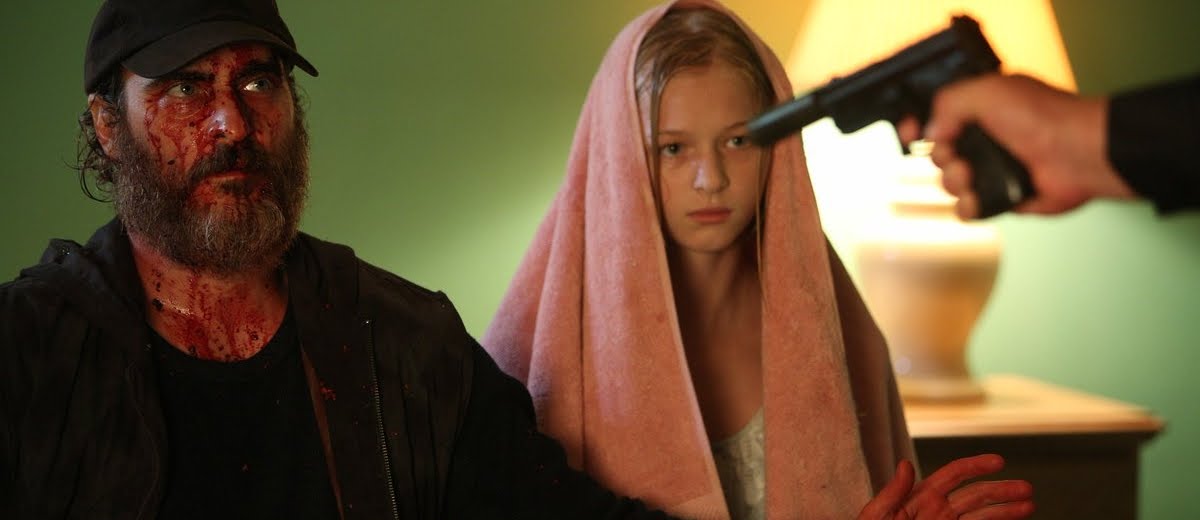
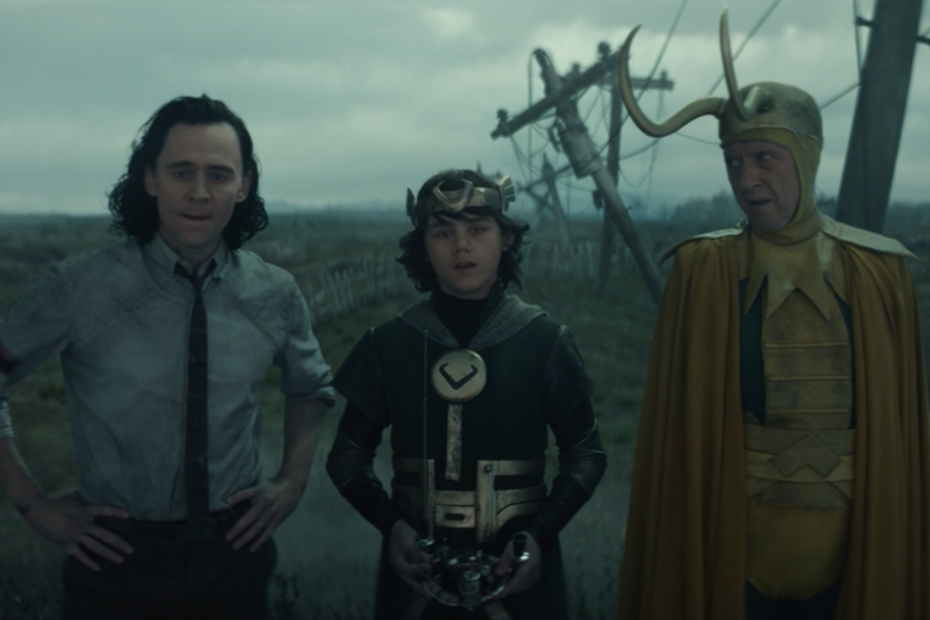
Well, the 2021 edition of the Cannes Film Festival has ended and let’s hope it never happens again in July. It was a fun festival to go into as the coverage from the AV Club, Indiewire, and the Film Experience did an amazing job and be thankful for their contributions in covering the festival. This year’s festival that included many of the films in the competition have been incredible as there were a lot of discoveries as well as films from some of the greats had delivered. One of the reasons Cannes is so revered is the fact that it’s a stepping stone for new filmmakers and films from different parts of the world while allowing veterans to showcase something new to an audience that loves cinema.


The fictional Palme d’Or goes to... Portrait of a Lady on Fire

The 2nd Place Grand Jury Prize goes to… American Honey

The 3rd Place Jury Prize goes to… You Were Never Really Here
Best Director Prize goes to… Pawel Pawlikowski for Cold War

Best Screenplay Prize goes to… Noah Baumbach for The Meyerowitz Stories (New and Selected)

Best Actor Prize goes to… Antonio Banderas for Pain & Glory and Joaquin Phoenix for You Were Never Really Here (tie)


Best Actress Prize goes to… Sasha Lane for American Honey

Technical Jury Prize goes to… Jonny Greenwood for You Were Never Really Here

Special Jury Prize goes to… Veronnikah Ezell, Christopher David Wright, Shawna Rae Moseley, Dakota Powers, Isaiah Stone, Raymond Coalson, Kenneth Kory Tucker, Garry Howell, Chad McKenzie Cox, Crystal B. Ice, McCaul Lombardi, and Arielle Holmes for American Honey

And now for the ranking of the remaining films of the marathon:
4. Cold War

5. 24 Frames

6. Pain and Glory

7. Death in Venice

8. Mahler

9. Okja

10. The Meyerowitz Stories (New and Selected)

11. All My Compatriots

That is it for the marathon as I hope to never do one like this ever again as I don’t have the energy nor time to do a marathon of 11-13 films during an 11-day period. Especially in a month like July instead of May as I don’t think it’s feasible at this point. I prefer to rest and just take my time. Until then, au revoir. Until then, au revoir.
© thevoid99 2021

The film revolves around a real estate developer who had lost his wife and daughter following a kidnapping attempt over money as he would go to Florence sixteen years later with his business partner as he meets a young woman who bears the same face as his late wife. It is a film that is about man still reeling from the death of his wife and daughter as he feels guilty over how he fumbled the attempt to save them as the presence of this young woman who looks exactly like his late wife has him obsessed about getting a part of his life that he lost. Paul Schrader’s screenplay is a study of grief as it plays into a man consumed with guilt and loss as the land that was meant to be a thriving plot that would make him rich but instead turned it as a memorial for his wife and daughter that is a replica of the Basilica di San Miniato al Monte in Florence. It is where Michael Courtland (Cliff Robertson) met the woman who would be his wife in Elizabeth (Genevieve Bujold) as he would see a young woman in Sandra (Genevieve Bujold) who looks exactly like Elizabeth as she is restoring a painting in the church.
Courtland’s business partner Robert LaSalle (John Lithgow) also sees the resemblance upon their visit to Florence for business reasons as he returns to New Orleans where Courtland stays in Florence to meet Sandra. Courtland would bring Sandra to his home in New Orleans as those close to Courtland are shocked by how much Sandra looked like Elizabeth as things become more troubling. Schrader’s script does play into Courtland’s own obsession relating to his late wife through Sandra as the ideas of fantasy and reality would blur to the point where even those close to him become concerned. Yet, more revelations would be unveiled in its third act as it plays more into the night Courtland tried to save his wife and daughter along with those who tried to make a play on the kidnappers as it adds to Courtland’s own troubled obsession.
Brian de Palma’s direction is definitely stylish as it does bear some ideas from one of de Palma’s favorite filmmakers in Alfred Hitchcock and his 1958 film Vertigo as both films explore grief and trauma. Shot on location in both New Orleans and Florence along with nearby locations for the former, de Palma does make both cities characters with New Orleans being a vibrant and thriving city where Courtland is about to make his fortune yet wanted to share it with his family as the film opens in 1959 at a party where de Palma maintains an intimacy as well as some dream-like imagery to play into the idyllic world of Courtland at his home with wife and child. It would all crash down the moment Elizabeth and her daughter Amy (Wanda Blackman) get kidnapped as de Palma’s rescue sequence is intense as it’s about what isn’t shown and how Courtland is convinced by the police to try and swindle the kidnappers is where everything went wrong. When the film moves to Florence, the Basilica di San Miniato al Monte is a key location of the film as it is where Courtland met Elizabeth in 1948 and why the memorial for her and Amy is a replica of that church as it is also the moment where Courtland meets Sandra.
The usage of close-ups and medium shots as well as in the latter where de Palma gets so much attention to detail on an object or on a painting, with portraits created by de Palma’s older brother Bart, as it adds to the drama and suspense. Even in the wide shots where de Palma does use the locations including the scenes in Florence as it adds to the sense of intrigue in the film while its third act returns the film to New Orleans where there's some major revelations happening in the film. Notably in a sequence that is somewhat recreated from another scene early in the film yet there is so much that is happening along what had happened before in this recreated sequence as de Palma is all about those small details. Even as it play into Courtland’s obsession as it is clear he never got over the loss of his family and the guilt over his role in their deaths. Yet, the film’s climax isn’t just about revelations but also a study of trauma as well as an ending that is really filled with ambiguity over what Courtland had come to realize and such. Overall, de Palma crafts an intoxicating yet unsettling film about a man who becomes obsessed with a young woman who looks exactly like his late wife.
Cinematographer Vilmos Zsigmond does brilliant work with the film’s luscious cinematography with its usage of low-key and natural lighting for some of the interior/exterior scenes at night as well as dream-like foggy lenses for some shots in the film as it is a highlight of the film. Editor Paul Hirsch does amazing work with the editing with its stylish usage of transitional dissolves, jump-cuts, montages, and slow-motion as its emphasis on style adds to the suspense and drama. Art director Jack Senter and set decorator Jerry Wunderlich do excellent work with some of the interiors at Courtland’s home as well as the places in Florence as well as the design of the memorial for Elizabeth and Amy. Costume designer Frank Balchus does nice work with the stylish suit that LaSalle wears as well as some of the clothing from the 1950s that Elizabeth had and the clothes that Sandra would wear throughout the film
The special effects work of Joe Lombardi is terrific for the minimal special effects as it relates to the chase scene early in the film along with a dream-like sequence in the film’s third act. Sound mixer David M. Ronne does superb work with the sound as it play into the atmosphere of the locations as well as scenes that involve the suspense including some intense moments in the third act. The film’s music by Bernard Herrmann is incredible for its rich and mesmerizing orchestral score as it adds to the atmospheric tone of the film along with themes that play for certain characters and scenes that add to the suspense and drama as it is another major highlight of the film.
The film’s wonderful cast feature some notable small roles and appearances from William Finley as a man at the airport, Regis Cordic as a newscaster, Sylvia Kuumba Williams as Courtland’s maid, J. Patrick McNamara as a kidnapper, Nella Simoncini Barbieri as Sandra’s mother, Loraine Despres as Courtland’s secretary, Stanley J. Reyes as the police inspector Brie who organizes the rescue attempt on Elizabeth and Amy, Wanda Blackman as Courtland’s daughter Amy, and Stocker Fontelieu as Courtland’s psychiatrist Dr. Ellman who is concerned about Courtland’s obsession as he believes that Courtland is acting hastily. John Lithgow is incredible as Courtland’s business partner Robert LaSalle as a man who is full of charm and wear the finest suits as he becomes concerned about Courtland’s obsession towards Sandra and how much she looks like Elizabeth where he also becomes concerned about his business and whatever financial fallout would happen.
Genevieve Bujold is phenomenal in her dual role as Elizabeth Courtland and Sandra where she brings an enchanting presence in the former despite not saying anything while is more livelier in the latter where Bujold plays this woman who helps restore old paintings while learning more about Elizabeth as it is this restrained yet haunting performance from Bujold who copes with a man’s loss but also something bigger. Finally, there’s Cliff Robertson in a marvelous performance as Michael Courtland as a real estate developer who loses his family following a rescue attempt as he becomes obsessed with a young woman who looks like his late wife where Robertson brings an anguish to his role but also someone that is desperate and later jovial until people question about his relationship with Sandra as it is a rollercoaster of a performance from Robertson.
Obsession is a sensational film from Brian de Palma that features great performances from Cliff Robertson, Genevieve Bujold, and John Lithgow. Along with Paul Schrader’s chilling screenplay, dazzling visuals, hypnotic editing, and Bernard Herrmann’s intoxicating score. It’s a suspense-drama that explores trauma and loss as well as a man’s obsession towards a young woman unaware of what is happening around him as reality would force him to think about the moment he lost everything. In the end, Obsession is a phenomenal film from Brian de Palma.
Brian de Palma Films: (Murder a la Mod) – (Greetings) – (The Wedding Party) – (Dionysus in ’69) – (Hi, Mom!) – (Get to Know Your Rabbit) – Sisters (1973 film) - Phantom of the Paradise - Carrie - The Fury - (Home Movies) – Dressed to Kill - Blow Out - Scarface (1983 film) - Body Double – (Wise Guys) – The Untouchables - Casualties of War - The Bonfire of the Vanities - Raising Cain - Carlito's Way - Mission: Impossible - Snake Eyes - Mission to Mars - Femme Fatale - The Black Dahlia - (Redacted) – Passion (2012 film) - (Domino (2019 film))
© thevoid99 2021

The film revolves around a group of conmen who often charm their way or disguise themselves as priests to swindle poor peasants out of their money and treasures they have as one of them is a middle-aged man who copes with the growing immorality of his line of work. It is a film that explore a trio of men who work with a criminal who hires them to swindle money out of the poor while using money to live their lives yet eldest con man in Augusto (Broderick Crawford) is thinking about a life after crime yet still does things to live. The film’s screenplay by Federico Fellini, Ennio Flaiano and Tullio Pinelli is straightforward in its narrative yet much of it is told from Augusto’s perspective while it also follows the lives of his fellow conmen in Robert Giorgio (Franco Fabrizi) who loves doing the con game while Carlo aka Picasso (Richard Basehart) hopes to make it as an artist and bring some money to give himself and his wife Iris (Giulietta Masina) a better life with their daughter.
Yet, the appearance of Augusto’s daughter Patrizia (Lorella De Luca) whom he hadn’t seen in a year as well as bumping into a former con man in Rinaldo (Alberto De Amicis) who has become successful as Augusto is invited to a New Year’s Eve party with Carlo, Iris, and Giorgio where things go wrong due to Giorgio’s actions. Even as Giorgio would continue to put Carlo and Augusto into more schemes that eventually has the two of them ponder about their future as the latter copes with the recent sighting of his daughter whom he tries to reconnect with as he deals with the sins of the past.
Fellini’s direction is largely straightforward in terms of his compositions and setting as much of it is shot in Rome and areas outside of Rome as it play into this world where the poor are being conned into giving their money away to con men. While there are some wide shots in some of the locations that include some of the rural, countryside scenes where the poor are often seen. Fellini does maintain an intimacy in his approach to the way he shoots his characters in a frame whether they’re in a section in the city of Rome or how they interact with characters in a poor location where the poor live. Fellini’s usage of close-ups and medium shots add to the drama including the scenes at the New Year’s Eve party where there is a lot that is happening with Fellini often focusing on Carlo and Iris as well as Augusto trying to make a business deal with Rinaldo. There is also focus on a woman being asked to strip where Rinaldo's wife Marisa (Irene Cefaro) watches with disgust while Fellini also showcases an object that would be the cause of Augusto’s troubles due to Giorgio.
The film’s second half does play into the drama as it relates to Augusto’s own past finally catching up with him as well as the lack of a future for himself with Carlo and Giorgio both going into different directions as the latter becomes more reckless. The film’s climatic third act does involve a job for Augusto working for his handler with a new gang of thieves as it becomes a moment of morality in the people he’s about to con. Notably as it is followed by a man dealing with his conscience in a world that has become much crueler where Fellini definitely play into the desolate location set in a mountain area as it serves as a metaphor for what Augusto is coping with. Overall, Fellini crafts a somber yet riveting film about a con man dealing with his crimes and an ever-changing world of immorality.
Cinematographer Otello Martelli does brilliant work with the film’s black-and-white photography to play into the beauty of the daytime exteriors while using available and some stylish lights for the scenes at night including the New Year’s Eve party. Editors Mario Serandrei and Giuseppe Vari do excellent work with the editing as it is largely straightforward to play into the drama and bits of humor with some rhythmic cuts for the latter. Production/costume designer Dario Cecchi and set decorator Massimilano Capriccioli do amazing work with the look of some of the interior of the farms and the interiors of Rinaldo’s home with Cecchi creating some unique clothing including the fake priests clothing for Carlo and Augusto and the dresses that the women wear. Sound editor Giovanni Rossi does nice work with the sound as it play into the atmosphere of the locations as well as the sound of some of the exteriors in Rome. The film’s music by Nino Rota is incredible for its sumptuous orchestral score with elements of bombastic and somber string pieces that also include brass arrangements to play into the drama and some of the film’s humorous moments.
The film’s wonderful ensemble cast feature some notable small roles from Riccardo Garrone as a con man Augusto works late in the film, Giacomo Gabrielli as Augusto’s handler Il Baron Vargas, Sue Ellen Blake as a young woman that Augusto meets late in the film, Irene Cefaro as Rinaldo’s wife Marisa, Alberto De Amicis as a former criminal associate of Augusto in Rinaldo who has changed his life into something greater, and Lorella De Luca in a fantastic performance as Augusto’s daughter Patrizia whom Augusto hadn’t seen in a few years as he tries to reconnect with her while not wanting her to know about what he really does as she is someone that is about to take a major step with her life prompting Augusto to wanting to help her. Franco Fabrizi is excellent as Roberto Giorgio as a smooth con man who likes to wear nice clothes and drive the finest cars as he is an immoral figure that doesn’t care who he steals from as long as he gets something where he would become a source of trouble for both Augusto and Carlo.
Giulietta Masina is amazing in her small role as Carlo’s wife Iris as a woman who is oblivious to what her husband does as she becomes uncomfortable attending Rinaldo’s New Year’s Eve party where she finds herself alienated by the people at the party as well as having some revelations about what her husband does. Richard Basehart is brilliant as Carlo aka Picasso as an aspiring artist who is hoping to use the money to give his wife and daughter a better life while also hoping to kick start his career as an artist only to cope with failures and uncertainty. Finally, there’s Broderick Crawford in a tremendous performance as Augusto Rocco as a veteran con man who often plays a head priest in his scams as he deals with the recent appearance of his daughter and a growing sense of immorality around him as he deals with not just his sins catching up with him but also a growing conscience as he copes with the people he’s scamming.
Il bidone is a phenomenal film from Federico Fellini that features an incredible leading performance from Broderick Crawford. Along with its ensemble cast, study of immorality and society, dazzling visuals, and a rich music score from Nino Rota. The film is definitely a fascinating yet somber film that explore the life of con men as well as this growing sense of change socially and morally that is happening in post-war Italy. In the end, Il bidone is a sensational film from Federico Fellini.
Federico Fellini Films: (Variety Lights) – The White Sheik - (L’amore in Citta-Un’agenzia martimoniale) – I, Vitelloni - La Strada - Nights of Cabiria - La Dolce Vita - (Boccaccio ’70-Le tentazoni del Dottor Antonio) – 8 1/2 - Juliet of the Spirits - Spirits of the Dead-Toby Dammit - (Fellini: A Director’s Notebook) – Fellini Satyricon - (I Clowns) – Roma - Amarcord - Casanova (1976 film) - Orchestra Rehearsal – City of Women – And the Ship Sails On - Ginger and Fred - (Intervista) – (The Voice of the Moon)
© thevoid99 2021
For the 31st week of 2021 as part of Wandering Through the Shelves' Thursday Movie Picks. We return to the subject of the Oscar Winners in the categories of Best Costume Design and Best Makeup and Hairstyling. If an actor is playing a part, they have to look the part as the costume designers, hair stylists, and makeup designers do that job and do wonders with it. Here are my three picks for each category:
Best Costume Design
1. Milena Canonero and Ulla-Britt Soderlund-Barry Lyndon

2. Emi Wada-Ran

3. Ruth E. Carter-Black Panther

Best Makeup and Hairstyling
1. Greg Cannom, Michele Burke, and Matthew W. Mungle-Bram Stoker's Dracula

2. David Marti and Montse Ribe-Pan's Labyrinth

3. Damian Martin, Lesley Vanderwalt, and Elka Wardega-Mad Max: Fury Road
The look of the characters in George Miller’s post-apocalyptic film series is definitely a high watermark of what makeup should be. It’s not just in the look of the brides of the cult leader Immortan Joe but also the character and his followers known as the War Boys. It is a film that play into this world set in a deserted wasteland where water is becoming scarce as these characters have a gritty look with some wearing makeup or having some kind of hair style as it is another highlight of one of the best films of the 2010s.
© thevoid99 2021
(Winner of the Best Actor Prize to Joaquin Phoenix and Co-Winner of the Best Screenplay Prize to Lynne Ramsay with Yorgos Lanthimos and Efthymis Filippou for The Killing of a Sacred Deer)

The film revolves around a man whose job is to retrieve young girls and women who have been kidnapped as he is asked by a politician to retrieve his daughter only to uncover a human trafficking network that is bigger than he realizes as he copes with his own trauma relating to his childhood and his time as a soldier. It is a film with a simple premise that plays into a man who takes a job to find and save young women yet this one job ends up being much more troubling than he realizes as it also relates to politics and power. Lynne Ramsay’s screenplay is largely straightforward yet it follows the mind of its protagonist in Joe (Joaquin Phoenix) who does his job in secrecy as he would spend his off-time tending to his aging mother (Judith Roberts).
When he meets his boss John McCleary (John Doman) about an assignment to retrieve the daughter of Senator Albert Votto (Alex Mannette) in Nina (Ekaterina Samsonov). Joe accepts the job yet he remains troubled by his own past as a child (Dante Pereira-Olson) as well as flashbacks as a soldier as it adds to obstacle of his job. Especially as Nina is at the center of this where political power is involved as the film’s second half has Joe deal with what Nina’s father is involved in as trouble ensues. Even as it leads to this trail of blood and anger that Joe would venture into as it play into a dark world that he would encounter yet that world would cross a line that not even Joe would go into.
Ramsay’s direction is definitely riveting for the fact that it aims for something simple but also with elements that are a bit surreal and unsettling. Shot on location in New York City and areas near and at upstate New York as well as interior shots at the Astoria Studios in New York City. Ramsay chooses to avoid many of the city’s many landmarks in favor of going more into areas not often seen as it play into this world that Joe lives in where he lives on the fringes of society. While there are some wide shots that Ramsay uses to establish a few locations and settings in the film, Ramsay chooses to maintain an intimacy on the film as well as create small glimpses of Joe’s own troubled childhood and his time at war. The usage of close-ups and medium shots add to the anguish that Joe endures but also his actions when it comes to dealing with the situation at hand. One aspect that Ramsay does in the film is her approach to violence as much of it is either off-screen or shown from afar with graphic elements are shown in the aftermath of a violent event.
Ramsay also play into this air of intrigue as she often has scenes of Joe wrapping his head around plastic as a way to envision death as it play into his own suicidal thoughts. Ramsay isn’t afraid to play into elements of darkness while she emphasizes on what she doesn’t show as it relates to the world of sex trafficking other than just what needs to be shown. Even as the film leads to the third act where Joe does go hell-bent on uncovering the truth and get some form of justice such as a scene where he confronts a wounded hitman as it is Joe’s humanity that is the most shocking moment in a film that is intensely dark. The film’s climax that involves the main figure of this sex trafficking scandal is intense but on a more emotional approach where Ramsay play into Joe’s own traumas and the sheer chaos of the world he uncovered. Overall, Ramsay crafts a gripping and evocative film about a mercenary who is tasked to recover a politician’s daughter only to uncover the dark world of sex trafficking.
Cinematographer Thomas Townend does brilliant work with the cinematography in its emphasis on natural and low-key lighting while maintaining some stylish lighting for some of the interior scenes at night as it play into the suspense and terror. Editor Joe Bini does amazing work with the editing as its usage of jump-cuts and montages add to some of the drama and suspense while being straightforward in some parts of the film. Production designer Tim Grimes, with set decorator Kendall Anderson and art director Eric Dean, does excellent work with the look of Joe’s home where he lives with his mother, McCleary’s office, and the place where Joe finds Nina. Costume designer Malgosia Turzanska does fantastic work with the costumes as it is largely casual with the exception of the expensive suits that the politicians wear as well as a nightgown that Nina wears.
Special effects makeup designers Tom Denier Jr. and Vincent Schicchi do incredible work with the look of some of the wounds and such into some of the victims that Joe encounters or those he kills as it adds a sense of discomfort to the film. Visual effects supervisor Nick Bennett does nice work with a major visual effects scene in the third act as it play into Joe’s own despair as it relates to setbacks and what he must do. Sound designer Paul Davies does superb work with the sound as it adds to the film’s intense atmosphere in the way natural sounds are presented as well as gunshots are sound from afar as the sound design is a major highlight of the film. The film’s music by Jonny Greenwood is phenomenal with its emphasis on low-key orchestral arrangements to play into the suspense and drama as well as some eerie electronic and rock-based music pieces that help intensify the moments while music supervisors Catherine Grieves and Frederic Junqua cultivate a soundtrack that features other score pieces from other films as well as songs from Colbie Caillat, Albert Hammond, Joyce Heath, Charlene, Engelbert Humperdinck, and Eileen Barton and the New Yorkers as much of the music is played on a location for a scene in the film.
The casting by Billy Hopkins and Ashley Ingram is wonderful as it feature some notable small roles from Scott Price as a wounded hitman that Joe questions and comforts, Kate Easton as a younger version of Joe’s mother, Jonathan Wilde and Ronan Summers in the role of Joe’s father whose face is never seen, Frank Pando as a middleman named Angel who works with McCleary and runs a bodega, Vinicius Damasceno as Angel’s son Moises who had witness Joe return home following a job, Dante Pereira-Olson as the young Joe who witnesses and is a recipient of the abuse from his father, Alex Manette as Senator Albert Votto who hires Joe to get his daughter back as he is hiding something relating to a scandal, and Alessandro Nivola as a powerful politician in a state governor who is key player in this dark world of sex trafficking.
John Doman is excellent as Joe’s boss John McCleary as a man who gives Joe assignments while hoping to retire and offer Joe a chance to live a less troubled life. Judith Roberts is brilliant as Joe’s mother as a woman who has given Joe a reason to live despite her old age as well as being someone who is funny. Ekaterina Samsonov is amazing as Nina Votto as a teenage girl who has ran away and finds herself in the world of prostitution as she is unsure of how she got there while coping with the fact that she is really a pawn in a dark underworld. Finally, there’s Joaquin Phoenix in a magnificent performance as Joe as a mercenary hired to retrieve young women from sex traffickers as he is someone coping with trauma from his childhood and time as a soldier where Phoenix provides a restrained performance as someone who keeps to himself as is also a performance of terror and anguish where Phoenix creates a career-defining performance.
You Were Never Really Here is an outstanding film from Lynne Ramsay that features a great leading performance from Joaquin Phoenix. Along with its supporting cast, rapturous visuals, a gripping script, and an eerie music score from Jonny Greenwood. The film is definitely a haunting character study that explores a man coping with the past while trying to save a young girl from a dark underworld that proves to be bigger than he thought. In the end, You Were Never Really Here is a magnificent film from Lynne Ramsay.
Lynne Ramsay Films: Ratcatcher - Morvern Callar - We Need to Talk About Kevin - Die My Love - (Polaris)
Related: The Auteurs #6: Lynne Ramsay - Favorite Films #9: Morvern Callar
© thevoid99 2021

The film revolves a young knight who confronts a mysterious figure known as the Green Knight as the young knight would go on a quest one year later as he would take part in an arduous journey filled with challenges and surrealistic moments. It is a film that explores a young man who is the nephew of King Arthur as he accept the challenge of the Green Knight during a Christmas banquet as Sir Gawain becomes a knight yet knows he has a duty to fulfill. David Lowery’s screenplay is largely straightforward narratively yet it takes on an episodic approach as it play into Gawain’s own journey and his desire to win the acceptance of his uncle though the creation of the Green Knight came from his own mother (Sarita Choudhury) who hopes that her son will pass this challenge and become king one day.
Much of the film’s first act is about Gawain confronting the Green Knight, dealing with his fame in the course of a year, and the duty he has to fulfill while he is also devoted to a commoner in Essel (Alicia Vikander) who gives Gawain a token for his journey as does his mother in a girdle that would protect him. The second act is about the journey north where Gawain doesn’t just contend with the land around him but also various people such as a scavenger (Barry Keoghan), a mysterious young lady (Erin Kellyman), and others including a lord (Joel Edgerton) and his wife (Alicia Vikander). Gawain is also accompanied by a fox in that journey where it does play into his development as a young man seeking to prove himself but also contend the idea if he’s worthy or not to be his uncle’s right-hand man.
Lowery’s direction is definitely stylish as it doesn’t play into the rules expected in a fantasy film set in medieval times but rather something more grounded and grimy in its presentation. Shot largely on location in landscapes in Ireland, the film does use the locations as a character as this physical challenge that also has these elements of surrealism that Gawain would encounter. Lowery’s usage of the wide and medium shots play up into the scope of these locations including some of the scenes in the castle as it is set largely in dreary conditions with very few set in places that are beautiful. Lowery’s usage of tracking shots also play into some of the sense of adventure Gawain occurs but also in scenes that showcases his youthfulness early in the film but also in moments that are also quite striking at times. Notably in scenes at the castle as there is a sense of beauty to the way the exterior settings lights up the interior including the scene of the Green Knight’s arrival. Lowery’s usage of close-ups play into some of the sense of terror and emotions that Gawain and some of the people he meets as it adds to this journey he would encounter as some relate to death while others relate to desires.
Lowery’s approach to surrealism isn’t just in the form of the fox and this young woman that Gawain encounters in the second act but also in scenes that include a horde of giants and other events that play into Gawain’s own journey. Even as Lowery serves as his own editor where he uses a bit of jump-cuts and other stylish cuts to add to the film’s suspense and drama. There are also scenes where Lowery would circle a certain location as it play into Gawain’s fate along with these moments in the film’s third act where he would finally meet the Green Knight. It is a climax that is about bravery but also everything Gawain learned in his journey to face this mysterious being who is actually more human than Gawain realizes. It is followed by a sequence that is surreal as it play into Gawain’s own decisions and attachments toward ordinary things but also its outcome. Overall, Lowery crafts a rapturous and evocative film about a young knight going on a quest to confront a mysterious figure one year after their first confrontation.
Cinematographer Andrew Droz Palermo does brilliant work with the film’s cinematography with its usage of filters to add a mood to a few bits of the film including its third act as well as its emphasis on natural lighting to play up the dreary landscapes that Gawain would encounter. Production designer Jade Healy, with set decorator Jenny Oman plus art directors Christine McDonagh and David Pink, does amazing work with the look of the interiors at the castle as well as the home of the lord and lady and some of the design of the places that Gawain goes to including the Green Knight’s chapel. Costume designer Malgosia Turzanska does excellent work with the ragged clothes that Gawain wears as well as the design of the crowns the king and queen wear and the gorgeous blue dress the lady wears. Hair designer Eileen Buggy and makeup/prosthetics designer Audrey Doyle do fantastic work with not just the hairstyle of the lady as well as Essel but also the look of the Green Knight.
Special effects supervisor Paul Byrne and visual effects supervisors Kev Cahill do incredible work with some of the effects of the Green Knight but also in the design of the fox that follows Gawain and other aspects of the film that add to its surreal tone. Sound designer Johnny Marshall and co sound-editors Christopher Barnett do superb work with the sound as it is a highlight of the film as it help play into the atmosphere of the location as well as the way nature sounds and other elements that add to the suspense including sparse sounds of objects in the film. The film’s music by Daniel Hart is phenomenal as its usage of dissonant folk and vocal choirs add to the film’s surrealistic presentation as well as some of its suspense as well as its usage of strings and woodwinds as the music soundtrack include these traditional folk pieces that add to the journey that Gawain embarks on.
The casting by Louise Kiely is wonderful as it feature some notable small roles from the trio of Nita Mishra, Tara McDonagh, and Atheena Frizzell as Gawain’s sisters who assist their mother in forms of witchcraft, Emmet O’Brien as the magician Merlin, Helena Browne as a blind woman that lives at the home of the lord and lady, and Megan Tiernan as a woman that Gawain would meet late in the film. Barry Keoghan is terrific in his small role as a scavenger that would harass Gawain on his quest while Erin Kellyman is superb in her small role as a mysterious young woman Gawain meets at an abandoned house. Kate Dickie and Sean Harris are fantastic in their small roles as Queen Guinevere and King Arthur with the former being a figure that is uneasy about the task Gawain is to endure while is forced to read the Green Knight’s letter in a scene while Harris’ role as the latter is a different take on King Arthur as a man giving Gawain advice on what he is going to face but also remind him that the quest is really a test.
Sarita Choudhury is excellent as Gawain’s mother as a variation of Morgana Le Fay as a woman who hopes for great promises for her son while is also is hoping her son would be able to pass the test against the man she created. Joel Edgerton is brilliant as the Lord as a man who offers Gawain shelter and rest while is aware of what Gawain is to face as he wants something of Gawain in return as it’s a low-key yet charming performance from Edgerton. Ralph Ineson is amazing as the titular character as this mysterious figure who is eager to be challenged in a game of honor as he’s also someone that may be intimidating but also understanding of what is at stake.
Alicia Vikander is incredible in a dual role as Essel and the lady as she is seen in a pixie-cut and an ordinary look for the former as someone that grounds Gawain and offers him hope while Vikander’s role in the latter is one of an enchanting seductress that is this embodiment of temptation who tests Gawain’s sense of morals and values. Finally, there’s Dev Patel in a phenomenal performance as Sir Gawain as a young knight who is eager to prove to himself that he is worthy to be his uncle’s right-hand man as he endures many challenges where Patel maintains that air of determination and hardened revelations as someone that is trying to understand his quest but also what he has to do as it is a career-defining performance for Patel.
The Green Knight is a sensational film from David Lowery that features a phenomenal leading performance from Dev Patel. Along with its ensemble cast, surrealistic presentation, ravishing visuals, eerie sound design, and a chilling music score from Daniel Hart. It is a fantasy film that breaks away from convention to focus on a man’s test of will as well as dealing with himself and revelations about whether he’s up to the task or not to face this mysterious and imposing figure. In the end, The Green Knight is a tremendous film from David Lowery.
David Lowery Films: Ain't Them Bodies Saints - (Pete’s Dragon (2016 film)) – (A Ghost Story) – (The Old Man & the Gun) – (The Year of Everlasting Storm) – (Peter Pan & Wendy)
© thevoid99 2021

The other thing that really pisses me off is how my sister treat our mother for not catching up with technology as we got these 2 new fireTVs last month as she doesn’t know how they work. She’s in her 60s and usually watches YouTube on her iPad as I’m trying to be patient with her on how to watch YouTube on the fireTV as we’re still waiting on a new couch. It is an end of an era to download films and music illegally though I haven’t been doing much on the latter because there hasn’t been a lot of interesting music at the moment. The sad part is that there’s a bunch of movies that are unavailable at streaming services or in physical form that I’m not going to have access to as one of the films I deleted was one of my Blind Spot assignments as I tried to find it on DVD/Blu-Ray but only available on different regions and are fucking expensive. They’re not available at streaming services in the U.S. but I was able to find it on YouTube this month and watched it but they changed the music score to avoid legal issues and that kind of ruined the film for me.
Still, the best way to watch a film in my opinion has always been in the theaters but my most recent theatrical experience in seeing Black Widow, which I had been waiting to see for more than a year, was a terrible one. I enjoyed the film but when you go to a screening and the projector gets fucked up not once but three times. It definitely kills whatever enjoyment you had and that sucked even though I was able to get a free ticket as I will use it for the next movie I see. With the chaos of that and the events that happened at this year’s Euro Cup in which England football fans got upset over three young black men missing their penalty kicks at the finals against Italy. Well, I’m glad Italy won and they deserved it as they been respectful including their own fans but the English football fans are atrocious. Calling an adolescent German girl a slut as she cries over Germany’s loss is obscene while attacking Italian footballs fans after the finals is just horrendous. Then to say racist thing about those three young men for missing penalties just said it all about what is going on and yeah, England is racist.
For all of those years of them wanting football to come home to England based on a shitty song that was made as a joke back in 1996 has me wanting to say this. Football is never coming home to England and here’s another thing I want to say to every vile English football fan and I am going to take this to my grave when I kick the bucket:
USA will win the World Cup before England wins a second one.
With the Olympics already happening as I could barely give a fuck about it at this point as less than half of this country has been vaccinated including myself and my family but there’s still a bunch of dumb-fucks out there. One of them now is Eric Clapton and honestly, Clapton can go fuck himself. He’s not God and he never was. I don’t put him in my top 25-40 favorite guitar players of all-time right now. He won’t play to a discriminated audience. OK, Eric. Don’t play to vaccinated people, go play to your dumbfuck audience and get a bottle of moonshine where we can you do racist rants again like you did in the 70s and how you stole George Harrison’s wife with a song and yet cheated on her more than George you aging has-been. OK, rant over.

1. Portrait of a Lady on Fire
2. American Honey
3. Cold War
4. 24 Frames
5. Pain & Glory
6. Death in Venice
7. Mahler
8. The Meyerowitz Stories (New and Selected)
9. Okja
10. Black Widow
Monthly Mini-Reviews/What Else I’ve Been Watching
The Good, the Bart, and the Loki
Another exclusive from Disney+ that was released on the day the final episode of the first season of Loki was released is another crossover between Marvel and The Simpsons in which Loki is banished to Springfield. Yet, he creates chaos and mischief with Bart at his side and things definitely go wrong. It is a fun episode though it does bear reminder that The Simpsons is still around even though many have stopped watching the series a long time ago.
Loki (episodes 5 & 6)

While I think WandaVision is the best of the three MCU series so far, Loki is a close second as its strength in character development, character study, visuals, and music score really make it stand on its own. The performances of Tom Hiddleston, Sophia Di Martino, Gugu Mbatha-Raw, Wunmi Mosaku, and Owen Wilson really make the show unique of its own as its ending does lead to a lot of major events of not just setting up what will happen for the next season but also for the MCU as it’s just entering into its 4th Phase and new saga.
Breakaway

Top 5 Re-Watches
1. Moonlight
2. Beverly Hills Cop
3. Walk Hard: The Dewey Cox Story
4. The Devil Wears Prada
5. Ted

Before I bid adieu, I want to express my condolences to the families of Dusty Hill of ZZ Top, Joey Jordison of Slipknot/Murderdolls, Biz Markie, Mike Howe of Metalchurch/Heretic, John Hutchinson who played with David Bowie in the late 60s/early 70s, Jeff Labar and Gary Corbett of Cinderella, and Robby Steinhardt of Kansas. That is a great collection of musical talent that is probably diverse and unmatched in terms of talent as the idea of these individuals taking part of some jam session is a cool idea that came from former Dream Theater drummer Mike Portnay though he didn’t mention Hutchinson. Until then, this is thevoid99 signing off…
© thevoid99 2021