Friday, July 15, 2011

The Criterion Wishlist


Twice a year in July and November of every year, Barnes & Nobles has a sale for DVDs from the Criterion Collection. It’s the moment the film buffs find whatever cash they have and buy the good stuff. Having been the proud of owner of 20 titles so far in the collection. It’s hard to grab nearly everything that’s available (except for those Michael Bay films that never should be listed in the Criterion Collection) while some are in need of a new, upgraded transfer. Then, there’s the films that should be in the list as there is a great collection of movies throughout the years that need to be seen as important pieces of art. So here is a list of 15 films that needs to be added to the Criterion Collection.


Of all the films that Terrence Malick has released so far on DVD & Blu-Ray, two of which are on Criterion, Badlands is the film that is in need of a serious DVD release that lives up to Malick’s already-legendary status. The work that Malick put into the remastering of Days of Heaven and The Thin Red Line for its DVD and Blu-Ray releases show why his films are so revered. Badlands is the film that needs to have a new transfer that should be supervised by Malick along with any or all three of the cinematographers he worked with on that film. For supplements, an audio commentary track from any of those cameramen along with longtime Malick collaborator in art director Jack Fisk plus actors Martin Sheen and Sissy Spacek is needed.

Also should be included as supplements are interviews about the film plus documentary material and for the hardcore Malick fans, the 1969 short Lanton Mills that was only available from the AFI school. A release for Badlands from Criterion will definitely add more to Malick’s cult while it allow the hope for future Criterion releases for Malick’s other films like The New World and his most recent film, The Tree of Life.

2. Breaking the Waves


The ever-so controversial Lars von Trier is among one of the most loved or hated filmmakers working today. The director already has three films released on Criterion in The Element of Crime, Europa, and Antichrist. Yet, his best film being Breaking the Waves is a film that is perfect for a Criterion release. A newly-restored transfer from von Trier and cinematographer Robby Mueller is in need though the grainy look of it should be kept in tact. Among the supplements to be included is a commentary from Lars von Trier and a collaborator. Interviews with cast and crew members along with making-of-material and deleted scenes.


Terry Zwigoff’s 2001 film about two alienated girls whose lives diverge when one of them meets a lonely blues-jazz music collector. Already having two films recently released on Criterion in the documentaries Louie Bluie and Crumb, Ghost World is a film that is worthy to be included in Criterion. Not just for its quirky humor and study of alienation but also for the fact that it fits into the theme of growing pains. While there is a good DVD release from MGM, a Criterion release would be a great upgrade for its transfer as well as new supplements such as new interviews with cast and crew members plus an audio commentary track from Zwigoff and co-writer Daniel Clowes.


Lynne Ramsay’s sophomore film about a woman who finds her boyfriend dead and then takes his manuscript as her own while going to Spain with her best friend. It is among one of the most overlooked films of the 2000s as Ramsay’s reputation as a filmmaker is growing despite having only made three feature films as of 2011. Yet, it’s a film that needs to be seen to a larger public as Criterion could give it the boost it deserves with a wonderful transfer and additional supplements for the film.


While it came out recently on DVD and Blu-Ray from Fox Searchlight, Darren Aronofsky’s fifth film deserves more than what Fox Searchlight offers in its DVD releases. Among the special features that the DVD needs is an audio commentary track from Aronofsky plus more content about the ballet and such. Something fans of the film and of Aronofsky should have so for those that don’t have a Blu-Ray player can at least have the same supplements that isn’t on the standard DVD. Plus, a Criterion release for Black Swan could also make ways for other future releases of Aronofsky’s films such as The Wrestler and The Fountain.

6. The Most Important Thing: Love


Andrezj Zulawski’s 1974 film starring Romy Schneider about a B-movie actress’ relationship with a photographer is among one of the revered films from France. Rarely shown in the U.S. with the exception of the legendary 1980s pay cable channel called Z Channel. It’s a film that doesn’t get shown a lot and it’s one that needs to be seen to a wider audience. Especially as it features an appearance from the late Klaus Kinski as the film needs lots of supplement including a piece about the late Schneider herself.

7. Children of Men


Alfonso Cuaron’s 2006 dystopian film is truly a masterpiece for its look and themes about a future on the verge of collapse. With Cuaron already having one film on Criterion in Solo con Tu Pareja and his 2001 film Y Tu Mama Tambien set to become a Criterion release. Children of Men is deserving of one with additional special features and a commentary track from Cuaron, cast, and crew members. It’s not very likely since Warner Brothers is reluctant to release their films to a company like Criterion but it’s a film that is deserving of that treatment.


While the film was just recently released on Blu-Ray, its lack of supplement features isn’t enough to really invest into a film as great as Bernardo Bertolucci’s 1972 erotic classic. With two of his films already on Criterion, Last Tango in Paris deserves the treatment better than any other film as a remastering of the project by Bertolucci and cinematographer Vittorio Storaro is really needed. Plus, additional special features including tributes to Marlon Brando and Maria Schneider would give this release the DVD release it deserves.


While his 2008 film Still Walking is already on Criterion, Hirokazu Kore-eda’s 2004 film Nobody Knows also deserves that treatment. While the MGM DVD from 2005 is decent despite its lack of special features. It’s a film that needs to be exposed more while including more special features about the film including input from Kore-eda himself.

10. Election


Alexander Payne is one of the top American filmmakers working today as he’s set to return in 2011 with The Descendants. His best film is still 1999’s Election as it’s a film that needs an upgraded DVD transfer plus loads of additional content. It’s the perfect film for the Criterion Collection because it adds more comedies including one that has a lot of wit and satire.


Jane Campion already has two films released through Criterion as it’s fitting that her 1993 film The Piano should get one to. After all, it co-won the Palme D’or at the Cannes Film Festival and it’s a film that is beloved by her fans. A new transfer could be used along with some additional special features. Among them are new interviews with Oscar-winners Holly Hunter and Anna Paquin about the film.

12. To Die For


Gus Van Sant already has two films on Criterion in Mala Noche and My Own Private Idaho. One of his best films in 1995’s To Die For has a DVD release that is very poor and lacks any notable features. This film deserves to be in the Criterion Collection because it is a witty satire and it features Nicole Kidman in her best performance of her career. Special features should include interviews with Gus Van Sant and screenwriter Buck Henry along with cast and crew interviews and other additional material.

13. Before Sunrise/Before Sunset


Richard Linklater’s dual romantic films starring Ethan Hawke and Julie Delpy is among the best films of the romance genre. While both films have decent DVD releases, they both need to have the Criterion treatment as one big set. Since Linklater’s Slacker and Dazed & Confused are on Criterion, the Before Sunrise/Before Sunset films could use something that includes commentary by Linklater, Hawke, and Delpy. It would be the ultimate Criterion DVD for lovers unless Linklater, Hawke, and Delpy want to wait out in case they want to make a third film.

14. Safe


Todd Haynes’ 1995 film is among one of the best films of the 1990s though its DVD has been out of print for years. With Haynes already considered to be one of the best filmmakers working today. This film should be given the Criterion treatment by bringing back its original commentary track plus new interviews with Haynes and the film’s star Julianne Moore.

15. Vanishing Point
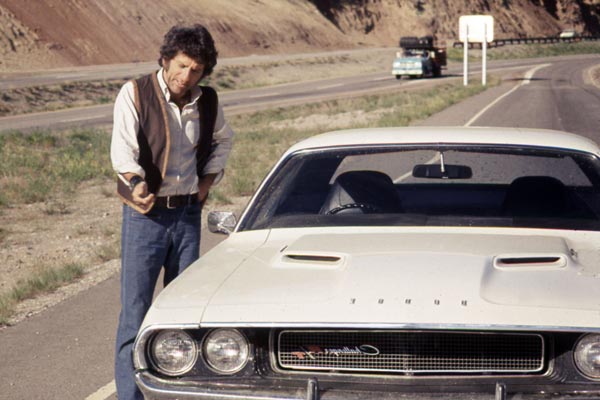

Criterion is known for putting a few cult films into its collection so why not have one of the great cult films of the 1970s? After all, Quentin Tarantino among others is a fan of this film. Yet, the release should include the full uncut version of the film that featured a cut scene of Charlotte Rampling smoking a huge joint. The film should include a new transfer plus additional supplements including interviews with filmmakers and actors who are fans of the film along with a piece about the film’s legacy.

For every film that Criterion releases, some have been given upgrades that were sorely needed. Anyone who had recently purchased the 2010 special edition of the Powell/Pressburger film The Red Shoes, that was given a massive restoration by Martin Scorsese, will know that it was one of Criterion’s early releases. There’s a lot of films from the early years that is in dire need of new transfers and additional supplements that always made the Criterion Collection what it is among its devoted following. Even the ones that are currently out of print and in need to be restored. Here are 10 films that should be given serious upgrades.

1. The Night Porter


Liliana Cavani’s controversial 1974 is considered to be one of the most controversial films of the 1970s. Yet, it has attracted a devoted cult following as Lars von Trier picks it as one of his favorite films of all-time. Though it was released on Criterion in 2000 with a new transfer as well as an essay from Annette Insdorff. The problem is that its lack of special features considering how much work Criterion has done over the years. An upgraded look for the film along with packaging is needed plus some additional content including an interview with one of its stars in Charlotte Rampling.

2. Rushmore


Wes Anderson’s 1998 classic is among one of the best releases from the Criterion Collection though it remains available on its website. While a lot of Anderson’s film have been released on Criterion where two of them have received Blu-ray releases. Rushmore could use an upgrade in both its packaging and for the film itself along with a few new additional supplements for its release. That way, it would help pave the way for upgrades of two other Anderson films on Criterion in The Royal Tenenbaums and The Life Aquatic with Steve Zissou.

3. Andrei Rublev


With two of Andrei Tarkovsky’s films having been released with Solaris given a recent upgrade on Blu-ray. The time is now for one of Tarkovsky’s greatest films to be given an upgrade plus some new special features for the release. This way, it would probably make room for more releases of all of Tarkovsky’s film on Criterion depending on the rights and such.

4. Sid & Nancy


Alex Cox’s 1986 film is among one of the best rock bio-pics ever made despite some of its inaccuracies and dramatization. While it’s been out of print for some years with a recent DVD release that lacks any strong special features. It’s a film that Criterion should release again while adding some new content about the film and the subject of Sid Vicious and Nancy Spungen.

5. Insomnia


Erik Skjoldbaerg’s 1997 film is probably made more famous by Christopher Nolan’s 2002 remake that starred Al Pacino and Robin Williams. Yet, it’s a film that hasn’t been seen much in recent years and needs to be exposed to a new audience that is more familiar with Nolan’s version. This time around, a new transfer could be used along with additional special features including some comments from Christopher Nolan.

6. Nights of Cabiria


Another early Criterion DVD release from Federico Fellini is among one of Fellini’s great films. Yet, it’s another of Fellini’s great films that has been released from Criterion that is in need to be reissued again. A new transfer would great to have plus a few new special features. Even for fans of Fellini who have a Blu-Ray player would want to see the film in a look that is high-definition.

7. Peeping Tom


With some of the films that Michael Powell did with Emeric Pressburger are being re-released via Criterion with newly restored transfers that is funded by Martin Scorsese. One of the films that could have a possible re-release is 1960’s Peeping Tom. While it was known as the film that derailed Powell’s career, it has gained a following and rumors of a new restored print has been winning rave reviews so it looks like the perfect time for Criterion to release the film on DVD and Blu-Ray.

8. The Element of Crime
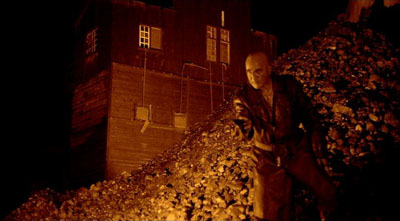

Lars von Trier’s 1984 feature-film debut has a pretty decent DVD release that features a 1997 documentary about his career as well as an essay. Considering the work that’s been put towards other von Trier films like Europa and Antichrist as far as supplements. A new transfer could be used along with more special features about the film including some early shorts of Lars von Trier to be included.

9. Spartacus


With Paths of Glory already out on Blu-Ray for Criterion as well as The Killing set to come out. Spartacus is among one of Kubrick’s revered films with a fantastic DVD release from Criterion. Still, it will need a new upgraded transfer along with a few special features and such relating to the film and its production plus excerpts from the documentary A Life in Pictures about Kubrick in relation to the film.

10. Traffic
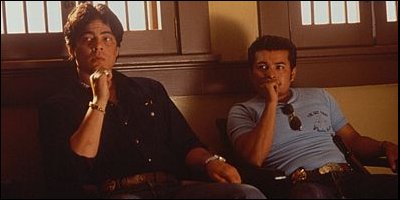

Traffic is one of Steven Soderbergh’s best films though the 2-disc Criterion edition is hard to find in stores though remains available online. While there was a lot of work towards Soderbergh’s 2008 film Che for a superb DVD/Blu-Ray release. Traffic could also get a new Blu-Ray release along with additional content for its release once Soderbergh can get a break between whatever projects he’s working on.

Well, that is it as far as what is needed for the Criterion Collection. It’s something that film buffs love to get whenever it’s on sale or if they have a coupon to use. It’s part of what makes film collecting fun despite the fact that money gets lost. Yet, it’s what makes life fun sometimes because we surround ourselves with these films that are very special that we can show someone what is different from what the mainstream is offering. Until then, get those Criterion DVDs now and wait again in November to get the ones for the holidays. God bless Criterion!

© thevoid99 2011

Thursday, July 14, 2011

Favorite Films #2: Ghost World (10th Anniversary Essay)


The World Has Dragged You Down in a Humdrum Town


Throughout the late 1990s and so on in the current world of tween-films that are targeted towards young girls. Yet, not everyone appreciated these films that didn‘t give voice for girls who didn‘t fit in a certain group. Films that doesn’t have the girl having to go to prom or trying to be popular. Stories about girls who are troubled and relatable instead of a story about a girl finally being with the high school quarterback. While Ghost World isn’t exactly a high school film since it takes place outside of school and after graduation. It does however say something to young women who doesn’t just feel out of place with the world but also have a sense of disdain towards it.

The film came out in the summer of 2001, in a limited release, at a time when comic book film adaptations were starting to become big in Hollywood while the teen film market was continuingly putting out films for teens and pre-teens. Yet, Ghost World wasn’t a film that was made by Hollywood but rather two outsiders who didn’t care for the world of commercialism. The first was Daniel Clowes, the man who wrote the comics for Ghost World that ultimately became a graphic novel in 1997. Clowes wrote in the late 80s and early 90s to reflect his own thoughts as a teenager while seeing the world that was happening as he released eight issues of the Ghost World comic from 1993 to 1997. The comics and eventual graphic novel did attract cult attention among readers as did the other person who would help turn it into a film in director Terry Zwigoff.

Zwigoff was a documentary filmmaker who had just scored massive acclaim with his 1994 film Crumb about underground comic artist Robert Crumb whose daughter did many of the drawings for Ghost World. The characters of Enid Coleslaw and Rebecca Doppelmeyer attracted Zwigoff since it fit in with his fascination with oddball outsiders that became prevalent through a lot of his work including Billy Bob Thornton’s title character in Bad Santa, Max Minghella’s Jerome in Art School Confidential, Robert Crumb, and jazz musician Howard “Louie Bluie” Armstrong in Crumb’s 1986 documentary Louie Bluie. Zwigoff teamed up with Clowes for a film version of Ghost World as they developed the script and project for Zwigoff to direct as his first foray into feature films.


Yet, developing the project proved to be challenging as Zwigoff’s clout over Crumb allowed him to meet with studios about Ghost World. Instead, the studios made suggestions and ideas that didn’t fit in with what Zwigoff nor Clowes wanted as they finally got the attention of producer Liane Halfon and actor John Malkovich, who came in as a producer, as they helped raise money for the film. Since Zwigoff knew it was going to be a very different project from his documentaries and wanted to stray from convention in terms of casting. With help from casting director Cassandra Kulukundis, Zwigoff finally found the people he needed for the film.

For the roles Enid and Rebecca, Zwigoff and Clowes went for actresses who looked old enough to look like teenagers while avoiding the look that is often seen in high school movies of the late 1990s. For the lead role of Enid, Thora Birch was cast who was just coming off the massive success of Sam Mendes’ 1999 Oscar-award winning family drama American Beauty as Birch chose to gain weight to play the troubled character. For Enid’s best friend/foil of sorts in Rebecca, Scarlett Johansson was cast as the actress was only 15 by the time production started as she was coming off the acclaim she received in Robert Redford’s 1998 film The Horse Whisperer. Various character actors and veterans such as Bob Balaban, David Cross, Brad Renfro, Tom McGowan, Illeana Douglas, and un-credited Teri Garr as Enid’s dad’s ex-girlfriend were also cast.


For the role of Seymour, a composite of various characters from the graphic novel, the part was given to acclaimed indie actor Steve Buscemi who was known largely for his work with Quentin Tarantino, the Coen Brothers, and Robert Rodriguez. The character of Seymour would become the person who initially started out as a victim of a prank concocted by Enid and Rebecca only to become the person that drives a wedge between the two girls.


Yet, the film doesn’t start out that way as it begins with this quirky opening credits sequences of people being bored by the TV with footage inter-cut from the 1965 Bollywood film Gumnaam by Raja Nawathe where a group of people dance to the song Jaan Pehechan Ho by Mohammed Rafi. It is there that Zwigoff introduces the audience to Enid who is dancing to this music as a way to realize how much of an outsider she is to the world around her. The next scene is a graduation scene where Enid is bemused by a handicap girl’s graduation speech with Rebecca also looking on with amusement. The majority of the first act of the film is about Enid and Rebecca looking around their surroundings and seeing strange people.

From the character of the unhappy convenience store clerk Josh (Brad Renfro) to the former classmate Melorra, Enid and Rebecca either torment or mock them though there is a bit of a crush towards Josh from the girls. Still, they use Josh as an observer over a prank where Seymour becomes a victim who they realize is someone who seems to be used to these pranks. Eventually, it would lead to the first meeting between the girls and Seymour where Enid buys a 78 RPM vinyl record that features Skip James’ Devil Got My Woman that wins Enid over. While Enid becomes fascinated by Seymour, who is a collector of old 78 RPM blues, jazz, and ragtime records of the early 20th Century. This fascination would frustrate Rebecca, who thinks that Seymour is nothing but a dork.


By the time the film progresses, Enid’s fascination with Seymour as she helps him find a girlfriend only furthers her own sense of alienation with the world. Enid and Seymour not only share a disdain towards the world around them along with people, they also share an alienation as neither of them really fit in to the world around them. Seymour admits that he hates his interests, which is old 20th Century blues and jazz music, while he doesn’t really like to go out as he and Enid sees a local blues musician play in the middle of a rowdy sports bar as people are watching the game. The night eventually gets worse when Seymour watches a band that a woman claims is authentic blues. Instead, they’re just this loud band that blares through as Enid’s first attempt to get Seymour a date is a disaster.

That mix of melancholic humor and character study makes that scene along with many other scenes in the film one of the reasons why the film is so engrossing to watch. While audiences get to see Enid trying to help Seymour as he eventually gets a date with a woman named Dana (Stacey Travis). It is clear that Enid has feelings for him yet it would only cause more trouble for a girl who is a very talented artist that feels out of place with everything and everyone. Thora Birch’s performance is really the most startling highlight of the film as she captures not just angst but also confusion and despair over her character. She also brings a lot of humor to the character that includes a hilarious scene where her dad (Bob Balaban) is talking as she replies that she’s not listening to a word that he’s saying.

That sense of deadpan humor in Birch’s performance complements not just Steve Buscemi’s crazed but touching performance. It also adds a wonderful chemistry with the two as he is the straight man to her quirky personality as she often wears a strange array of clothes. There is also a bit of humor to Buscemi’s performance whether it’s in his reactions to things around him or a scene where Enid sees wearing blue jeans that Dana bought for him. It’s part of what makes Buscemi a revered actor who had been in a lot of projects as his performance nabbed him a Golden Globe nomination for Best Supporting Actor.

Then there’s Rebecca, Enid’s foil for half of the film as she is a young woman who shares her disdain towards the world and people in general. Yet, as she is someone who is much prettier and more mature. Her desire to get an apartment for her and Enid so they can live on their own would eventually have Rebecca make some changes that alienates Enid. What happens is that Rebecca grows up, gets a job, and starts to get into things she feels would advance her socially. When Rebecca takes a job as a cashier for a coffee shop, she starts to reveal her disdain towards weirdoes in whom Enid likes but Rebecca isn’t as amused anymore.


While Rebecca may not be as interesting as Enid and Seymour, she does manage to hold her own through a very memorable yet witty performance by Scarlett Johansson. It’s in that sly sarcasm and subtle reaction to things that are happening that makes Johansson’s performance remarkable. What is more surprising that at the time she made the film at age 15, she was able to pass off in being 18 and act beyond her age. Through her understated approach to the role of Rebecca, it’s one of the reasons why Johansson was able to be propelled into stardom by starring in Sofia Coppola’s 2003 masterpiece Lost in Translation.

The film in its three central performances of Birch, Johansson, and Buscemi, is wonderfully complemented by the look and tone that Zwigoff wanted. Some of the smaller moments such as Enid and Rebecca at a video store where a man asks for Federico Fellini’s 8 ½ where the video clerk instead finds Adrian Lyne’s 9 ½ Weeks. It’s that along with many other scenes that revel into Zwigoff and Clowes’ study of alienation where by the third act of the film. The divergence between Enid and Rebecca becomes more evident as Enid calls Rebecca about going out. Instead, Rebecca who is sitting at home watching TV with her pajamas claims that she’s going out with some people at work.


Through Zwigoff’s direction, there is an array of images as everything he reveals in the city that Enid and Rebecca live in is filled with restaurant chains and all sorts of ideas that exemplify a world of crass commercialism. The 50s diner that Enid and Rebecca to into looks more modern than a 1950s diner with music that is also modern. The place that Seymour works where he reveals a history of racism at the place he worked by showing a poster to Enid. This would prompt Enid to borrow that poster for her art class that she needed to take to graduate that would eventually cause much trouble for her and Seymour in the third act. It’s all part of a world where characters such as Enid and Seymour feel that the times were better then than they are at the present.

Part of Zwigoff’s direction in his approach to the story is the way characters disconnect themselves from reality. Particularly Enid and Seymour as Enid surrounds herself with vintage clothing, a S&M mask that Seymour buys her, and records. Seymour surrounds himself with not just blues and jazz records but vintage antiques and old film posters to complement his longing for the past. It’s all due to the way they react to the world of crass commercialism. While Rebecca might have a disdain towards that culture, she is not the kind of person who is willing to shut herself entirely as she is willing to tough it out against that world. Whether she fully embraces it or becomes an individual remains mysterious once the film starts to end.


Then there’s the film’s ending which is probably one of the most talked about endings in film. After all of the trouble Enid has caused where she had humiliated Seymour and alienated Rebecca. It’s an ending that reflects her sense of loss as throughout the film, she encounters an old man named Norman (Charles C. Stevenson Jr.) who is waiting for a bus at a bus stop that is no longer in service. When she later meets him following a bad night, she feels like he’s the only person he can count on. Instead, he tells her that he’s leaving as she later watches him leave on a bus where’s the only passenger.

Where does this bus lead to? Does the “out of service” sign on the bench mean a path towards the afterlife? There could be a lot of reasons as throughout the film, Enid has always talked about wanting to leave town. Even during a drunken conversation with Seymour that would lead to a one night stand over their disdain towards the world. For Enid, seeing Norman get on the bus is her ticket out of this town that she couldn’t relate to. In leaving, she wouldn’t have to see her dad marry Maxine. Deal with the idiots and idea of conformity around her. She wouldn’t have to see Seymour be humiliated and isolated. She wouldn’t also have to deal with Rebecca growing up.

If there was a way to just simplify what happens in the end, the ending is Enid just leaving town and never coming back. After all, the last sequence inter-cuts with Seymour discussing his events of the past few months to a shrink. Whereas Seymour is seemingly set to return to his old life while Rebecca is on her way to normalcy, Enid goes somewhere that no one knows where to go. While recent reissues of the graphic novel suggested various endings about what happens to both Enid and Rebecca, Daniel Clowes nor Terry Zwigoff really offer any clear answer about Enid’s fate in the film.


Ghost World is truly a film that is definitely one of its kind. Without it, there probably wouldn’t be a film like Juno that also had a quirky protagonist who is a young girl. There probably wouldn’t be a movie like American Splendor to be made since that was a film that was also based on graphic novels with relations towards Robert Crumb. It’s a film that actually gives voice to the those who don’t fit in with the world or don’t want to conform. It’s a film that young girls who are in high school and don’t fit in with this type of crowd or some other clique should see in the world of tween movies. Ghost World is a film that isn’t afraid to be crass and give someone the finger. It’s the kind of film that allows the individual to just be themselves and not give a fuck what anyone else thinks.


© thevoid99 2011

Wednesday, July 13, 2011

Ghost World (graphic novel)


Written by Daniel Clowes, Ghost World tells the story of two young teenage girls who wander around their town bored by their surroundings. With their growing cynicism towards the world, one of the girls meets a cartoonist whom she admires which leads to the disintegration of the two girls’ friendship. Originally a comic book with eight issues that eventually became a graphic novel that was released in 1997. It is a coming-of-age story that strays from the convention of a lot of comic books as encounters themes of alienation and teen angst as it is definitely a fantastic graphic novel from Daniel Clowes.

Enid Coleslaw and Rebecca Doppelmeyer are two teenage girls that had just graduated high school as they look at the town they live in for the summer. Enid recalls her strange meeting with a strange man named John Ellis and a former priest, who supposedly carries child pornography, as she and Rebecca watch a lame comedian. Enid later tries to sell some stuff at a garage sale as she talked about a man she met at a diner they eat while showing Rebecca an aging couple that she believes are Satanists. When Enid decides to go punk, while trying to find some guy only to realize he’s a creep. Later, she recalls to Rebecca about the time she lost her virginity to some dude that turned out to be an unpleasant experience.

When Enid and Rebecca discover a diner that claims to be a vintage 50s diner, they realize the place is more modern than set in the 1950s while looking at a newspaper ad as they play a prank on a man. With their friend Josh reluctantly watching, the prank ends up being very humiliating as Enid and Rebecca feel guilty. When a man named Norman who often sits at an out-of-service bus stop disappears, the two girls look through a photo album as Enid becomes obsessed with finding a record. Yet, Enid’s disdain towards the world and her obsession with who should have sex with Josh as a wedge is happening between her and Rebecca as they move into different directions

Whereas most graphic novels and comics are always about superheroes and vigilantes, Daniel Clowes brings the world back to earth in this exploration of two girls living in a humdrum town. During this eight-part series of stories, Enid and Rebecca dwell into their surroundings after high school as they meet various people in their town. From an antagonistic man named John Ellis to a mysterious guy named Bob Skeetes that Enid looks for. The eccentrics that Enid and Rebecca encounter are the only things that remain interesting in a world that’s become surrounded by commercialism. Both girls are alienated though Rebecca isn’t as alienated since she gains more attention from boys though she wonders if they really like her.

During the course of the story, which is episodic in its narrative, the relationship between Enid and Rebecca changes throughout as it starts to disintegrate in the last two parts of the story. Largely because Enid feels out of place with the world while there’s pressure for her to go to school and succeed. In reality, Enid isn’t keen on conforming to what people expect from her as she desires to just go away and never return. Rebecca meanwhile, believes there is something out there while the attraction towards Josh is something she needed to fulfill the disintegrating relationship she has with Enid. It’s where Rebecca starts to step out of her own and not kind of be a foil for Enid in their exploration about their surroundings.

Daniel Clowes’ approach to developing the relationship between Enid and Rebecca as well as their own personal journey is very unique. Even as it’s about girls which is something very different in a world where most stories about comics and graphic novels are about men. Yet, Clowes make its universal about these girls and their alienation with the world as they try to deal with the people they encounter. It’s a very fascinating story as Clowes creates what is truly a compelling yet touching coming-of-age story.

Ghost World is definitely a superb yet entrancing graphic novel from Daniel Clowes. Anyone that wants a story that is more dramatic and isn’t about superheroes will see this as one of the essential dramatic graphic novels. For fans of the 2001 film adaptation that has never read the graphic novel will definitely see where some of the ideas came for the film itself. In the end, Ghost World is a haunting yet mesmerizing story from Daniel Clowes.


© thevoid99 2011

Tuesday, July 12, 2011

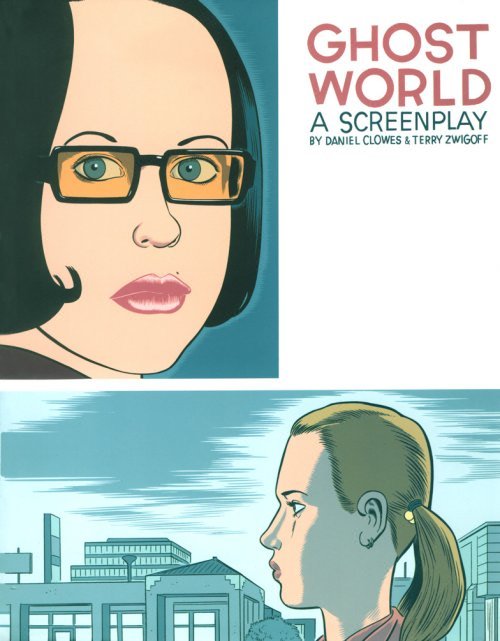
Ghost World (screenplay book)


Originally Written and Posted at Epinions.com on 10/16/04 w/ Additional Edits.


When it was released in 2001, no one thought the little quirky film called Ghost World that was based on Daniel Clowes’ obscure comic book/graphic novel would catch the attention of filmgoers and critics as the film landed in several top ten critics’ poll. Since its release on DVD a year later, the film has often become a favorite among rebellious young women that shortly after the film’s release Clowes and Ghost World director Terry Zwigoff decided to release an accompany screenplay book on the movie featuring thirty-pages worth of material not used in the film.

The script written by Clowes and Zwigoff based on Clowes’ comic book, Ghost World is a story of two young teenage girls scouring around their bored, suburban lifestyle after finishing high school. Then their friendship is put to the test when one of them encounters a loner where amidst the changing tides of their town through Corporate America, everything begins to change. The title Ghost World is a reference to the decline of the American mom-and-pop stores and self-owned business as its being replaced by all of these corporate businesses and how people end up conforming. The protagonist of the story is Enid, a short, dark-haired, slightly overweight girl who refuses to conform to these statures while watching her best friend Rebecca trying to move on with her life in order to buy an apartment and get a job. While the film and its story is more of a black comedy, Ghost World is a story that is filled with a lot of angst and melancholia as two lifelong friends find themselves falling apart around their world.

The film’s screenplay shows many of the scenes and lines shown in the movie and the dialogue is truly confrontational which featured the two girls using profanity excessively through their angst, which was something that bothered many major film studios. The only difference between the final script in the book and the final cut of the film is just a few things that were deleted including the ending which is a bit altered in reference to the fragile friendship of Rebecca and Enid as Rebecca ends up conforming while trying to move on with her life. The only thing in the ending not changed is the last scene involving Enid’s departure that doesn’t explain things that many fans of the film asked.

Other deleted material includes a conversation with Enid and Rebecca just before Enid starts work for her brief job in a movie theater along with more abuse for Rebecca at her coffee shop job. Plus, some scenes are moved like Enid’s father talking about Maxine where in the movie, that scene is shown earlier in the movie but in the script, it comes much later. One scene that was deleted and probably for good reason was a sex scene between Enid and Josh, another character that is often tormented by her and Rebecca.  This deleted scene would cause more damage to Enid and Rebecca’s friendship, along with Enid’s interest in Seymour. Another scene that is more extended in the script is Enid sleeping with Seymour where he would talk to his new girlfriend Dana about his relationship with Enid that was cut for good reason since in the film, the audience would know what Seymour would be saying.

Aside from the film’s script, the book includes a brief comic book thing where Enid and Rebecca commented on the recent success of the film through their sarcastic, bored attitudes. Also shown are unreleased pictures from the set of the film that includes cast members Thora Birch, Scarlett Johansson, Steve Buscemi, and many more. The book also includes an annotations section that includes commentary on some of the film scenes including some things that was a reference to the comic book.  One of the ideas for the film was getting Satanic religion leader Anton LaVey to play an assumed Satanist but he had died years before production began. Director Terry Zwigoff also talks about the character of Seymour which is actually based on him of sorts while he talks about the film’s soundtrack and music, often filled with obscure jazz records that he loved and he can’t tell ‘Nsync from the Backstreet Boys nor he cared to, especially since it wasn’t the type of music Birch or Johansson listened to.

Discussed in other sections is the film’s artwork done by Sophie Crumb, daughter of comic book artist Robert Crumb, who was the subject of Zwigoff’s 1994 documentary Crumb. A section was dedicated to Sophie Crumb and her artwork since Zwigoff felt she was the perfect person to help make the drawings for Enid and her talent really helped shape the film. Then there’s the subject of the Cook’s Chicken place where Buscemi’s Seymour worked and yes, there was a thing called Coon’s Chicken back in 1925 in Northwestern America that went out of business in the 1950s and never did change its name but only for the movie. Also included in the book are two introductions from Terry Zwigoff and Daniel Clowes.

Zwigoff’s introduction discusses his reasons to make Ghost World into a film after reading Clowes comic book since the film was to mark his feature-film debut. Zwigoff also discussed how the story was so appealing, notably in its alienation of what is becoming a very corporate culture. Zwigoff admits to not fitting in with the world and he made the film out of a Woody Allen approach while personally thanking his cast and crew for helping him through. Clowes’ introduction discussed his first meeting with Zwigoff back in 1995 where for years, they wanted to adapt the comic into a screenplay where its first draft was finished in 1997 before several rewrites until it attracted the attention of producer Lianne Halfon, who co-produced the movie with actor John Malkovich. In the end, Clowes feels the film belongs to him, Zwigoff, and Halfon who really was there on set helping the film move forward.

Fans of the film would want this screenplay book along with those aspiring to write screenplays. Those who love to read scripts will find this to be a nice collection though it’s really more of a nice accompaniment to the film for its hardcore fans. Those wanting to learn the craft of writing can get a very good look into the structure and style of the film’s script in its format. So in the end, the screenplay book of Ghost World is an excellent source for fans of the films and those wanting to write scripts.


(C) thevoid99 2011

Monday, July 11, 2011

Ghost World


Originally Written and Posted on 8/12/04 w/ Extensive Revisions & Additional Edits.


If life at high school sucked, then it’s really nothing compared to what happens after. Sure, kids go to college after that but what happens when you meet new people and in the process lose the people you cared for back in high school. Comic book writer Daniel Clowes captured the bleakness of post-high school life through the eyes of two teenage girls in his comic series Ghost World. The comic gained a cult popularity that included Crumb filmmaker Terry Zwigoff. Zwigoff and Clowes decided to adapt the comic book series into a film of the same name that captures the bleakness of teenagers and adults in a world, many of them don’t fit in with.

The movie for Ghost World is about two teenage girls, who just graduated from high school, finding themselves starting to drift apart after one of them encounters a lonely, eccentric adult. During their aimless journey, they try to find the strange eccentricities of their dreary suburban home while pondering what to do with their own lives. Leading the cast in Ghost World are Thora Birch as the sullen yet arty Enid and Scarlett Johansson as the prettier yet bored Rebecca. Also starring Brad Renfro, Teri Garr, David Cross, Bob Balaban, Illeana Douglas, Dave Sheridan, Tom McGowan, and Steve Buscemi. Ghost World is a harrowing yet humorous film from Terry Zwigoff and company.

Enid and Rebecca are at their graduation as they watch a handicapped speaker (Rini Bell) talk about life after high school though both Enid Rebecca believe there is no future. Reluctantly attending a graduation party while Enid is forced to return to school to pass art to gain a diploma. After high school, Enid and Rebecca walk through the town’s dreariness where they encounter two old strange people Enid convinced are Satanists and an old man (Charles J. Peterson) sitting at an unused bus stop. Enid then finds an ad for a guy looking for a girl as she and Rebecca call the number and pretend to be some blonde. They bring their friend/gas station patron named Josh (Brad Renfro) to a diner to see the guy revealed to be a man named Seymour (Steve Buscemi) who arrives as he waits for the woman but finds out he’s been duped.

Enid and Rebecca follow Seymour as they learn he’s some strange, eccentric guy who collects old vinyl blues records. Enid meanwhile is having problems at home as her dad (Bob Balaban) is thinking of dating his ex-girlfriend Maxine (Teri Garr) whom she despies. Rebecca however, decides to move ahead with plans for her own apartment with Enid by getting a job. Enid takes a summer class with a quirky art teacher named Roberta (Illeana Douglas) while reluctantly taking a job search as she and Rebecca meet Seymour and his friend Joe (Tom McGowan). After getting a blues record that Enid likes, she starts to befriend Seymour who invites her to a party. Rebecca reluctantly attends where she gets verbally harassed by a partygoer (David Cross).

Enid hangs out with Seymour as they find a shared disdain towards the world as he's more interested in obscure blues and such while her friendship with Rebecca deteriorates over Enid's fascination with Seymour and Rebecca becoming more social. When Seymour finally meets a woman named Dana (Stacey Travis), Enid becomes unhappy over the things around her life as well as her deteriorating friendship with Rebecca and Seymour.

While the film’s offbeat quirky humor mixed in with restrained drama brings an eccentric quality to the film, it’s one of the reasons why the film stands out from many of the indie and teen films of the time. With Daniel Clowes’ story and realist humor, the film’s title is really about the disintegration of Americana through the world of corporate America and the urge to conform. Terry Zwigoff brings in a vast, wonderful direction that is tightly constructed with wonderful cinematography from Affonso Beato. Helping with Zwigoff’s complex direction is a melancholic film score from composer David Kitay whose piano composition really gives the film movement and serves as another character. With production designer Edward T. McAvoy, the film’s look really brings that bleakness of post-20th Century America where the world and some of its individuals ends up conforming. Another great moment is the film’s artwork, notably from Sophie Crumb (daughter of Robert Crumb) who does the drawing for Enid’s book. While Ghost World might seem to be an off-the-wall comedy, it’s also a wonderful character study film, notably between Birch’s Enid and Johansson’s Rebecca.

The film’s supporting players really stand out from its cameo appearances from Ileana Douglas, David Cross, and Teri Garr to the hilarious performance from Dave Sheridan. Brad Renfro is also excellent in the role of Josh, who might seem as a clueless tormented figure who is used as a joke for Enid and Rebecca when really, he plays a secret crush that they don’t want to admit. Bob Balaban is excellent as Enid’s father for his straight performance to Birch’s offbeat performance while bringing a compassionate performance, even in scenes where he just doesn’t understand his daughter. With other smaller roles from Stacey Travis, Charles J. Peterson, Brian George, and Tom McGowan, the film has an overall stellar cast.

Of the film’s supporting performances, the best easily goes to Scarlett Johansson as the cynical, realist Rebecca who serves as a perfect foil to the downbeat Enid. With her quick-sarcasm and intellectual remarks, Johansson stands out among the entire cast with her restrained, mature performance. Especially since she came out of two amazing performances previously with 1996’s Manny & Lo and 1998’s The Horse Whisperer. With those two performances, Johansson comes to fruition with maturity by playing an 18-year old when at the time of making the film she was only 15. In the development of Rebecca throughout the film, we see Johansson not trying to make Rebecca conform to society but bringing a realism and maturity to the point that Enid couldn’t understand since she’s too much of a rebel while Rebecca just gave up on rebelling and moving forward.

Steve Buscemi is also brilliant in his performance as Seymour with his frustrated, oddball look while being a charming, romantic fellow. This was the closest thing to having Buscemi being a romantic lead but he has an off-the-wall humor that is so intriguing that it is remarkable, as he doesn’t mind being the butt of jokes. Plus, we see he’s the kind of guy that couldn’t fit in because of his hobbies or anything. Buscemi brought a depth and frustration that is loveable while he manages to carry great chemistry with Birch throughout the entire film while having a few intense, dramatic scenes with Johansson.

Thora Birch is the film’s most remarkable performance with her sympathetic, anti-establishment performance as Enid. Coming off a post-child stardom role in American Beauty, Birch brings a cynicism and attitude to Enid who is trying to find herself in the world. Birch also brings humor in her scenes where she and Johansson torment people quietly but as the film wears on, she realizes that she’s one of them and brings sadness to a role where she’s just lost. Especially in the film’s ending where things get really bizarre and nothing in the beginning of the film is the same anymore. Enid is a character that everyone could relate to, especially since not everyone wants a shoddy job or to conform to any kinds of stereotype. It’s overall Birch’s best performance to date.

The 2002 Region DVD release from MGM/United Artists presents the film in a 16:9 widescreen format brings a lot of brilliance to the film, especially in its look. With its English, French, and Spanish subtitles and 5.1 Surround Sound, the film’s features doesn't have much. Aside from a theatrical trailer of the film plus for its soundtrack, The Princess Bride, and a special edition of The Terminator. The special features also include four deleted and alternate scenes, which really don’t add much to the film. Two of them features hilarious moments between Brian George and Dave Sheridan while one involves Buscemi talking about a record and Ileana Douglas talking about an art thing she did. The best thing about the special features is the music video for Jaan Pehechaan Ho from the film Gumnaam in the 1960s and a making of feature with interviews from Zwigoff, Clowes, Birch, Johansson, Buscemi, and Brad Renfro where they all talk about the film and the comic book.

***Additional Content Written and Posted from 9/29/17-10/1/17***

The 2017 Region 1/Region A DVD/Blu-Ray from the Criterion Collection presents the film in a newly-restored 4K digital transfer that is supervised by its filmmaker Terry Zwigoff in its original 1:85:1 theatrical aspect ratio with 5.1 Surround Sound on DVD (5.1 Surround DTS-HD Master Audio for the Blu-Ray). Among the features retained from 2002 DVD from MGM are the film’s theatrical trailer, the excerpt from Gumnaam, and the film’s deleted scenes with additional scenes that were also cut that include an extended scene of Enid and Rebecca talking to the waiter Weird Al and a scene of Enid meeting Josh as they would have sex which becomes awkward. The Gumnaam excerpt would feature a commentary track from a Bollywood expert Roshini Dubey who talks about the film and its placement in Bollywood as well as why it was featured in Zwigoff’s film as a way to play into Enid’s outsider persona.

The feature-length audio commentary track from director Terry Zwigoff, co-writer Daniel Clowes, and producer Lianne Haflon have the trio talk about aspects of the production as well as some of the visual look of the film courtesy of cinematographer Affonso Beato, production designer Edward T. McAvoy, and costume designer Mary Zophres. Zwigoff reveals the anxiety he had in directing the film as it was his first time doing a narrative film as he turned to Francis Ford Coppola for help in directing actors as he learned from Coppola that it’s something that can’t be taught as Coppola admits to not knowing how to direct actors. Fortunately, Zwigoff was able to get through thanks in part to the ensemble he worked with as he, Clowes, and Haflon had a lot of praise toward the actors including Thora Birch, Scarlett Johansson, and Steve Buscemi as well as those who did the smaller roles. They also discuss some of the artwork as well as other things in the film as it’s a very enjoyable and engaging commentary track.

The 42-minute featurette entitled Art as Dialogue feature new interviews with actresses Thora Birch, Scarlett Johansson, and Illeana Douglas as they all talk about the film, their characters, and working with Zwigoff. Birch discusses her approach to the Enid character after having read the graphic novel and other works of Clowes as she originally was considered for the role of Rebecca when Christina Ricci was considered for the role of Enid. Fortunately, Birch was able to convince Zwigoff and Clowes that she was right for Enid while Johansson talked about her own experiences in the film as she was only 15 years old when she made it yet had experienced a lot in her life. Especially as she and Birch both had their own similar experiences as child actors transitioning into adult roles where they both shared their own experiences in dealing with that transition.

Douglas discusses the approach of her character as well as her friendship with Steve Buscemi as they both came from the world of New York City art during the 1980s which was the inspiration for Douglas’ idea for Roberta. All three women also talk about the film’s impact culturally and socially where they’re all baffled into how young women try to dress up like Enid and want to be like her which they all admit is odd. Johansson does talk about how her fans often bring up the film as it’s a favorite of theirs as she knows a friend’s daughter who just discovered it. All three women also talk about the film’s ending and what they believed happened to Enid and Rebecca in the end as it’s one of the finest pieces on the DVD.

The DVD/Blu-Ray also feature two booklets as one is a reprinted excerpt of Clowes’ original comic as well as material from 2008 special edition reissue of the graphic novel into the fate of the two characters including their own reaction towards the film. The second booklet feature two essays about the film as the first essay entitled Séance in Wowsville is from film critic/author Howard Hampton who talks about the film and how it relates to not just Zwigoff’s other films but also how it managed to make an impression on those who saw it the first time around. Especially in how Enid and Rebecca react to the world around them where the latter reluctantly has to take part in that world in order to do what everyone else is doing forcing Enid to find companionship in Seymour. Hampton also talk about other aspects of the film including the casting as well as many of the things that has attracted the audience due to their disdain of this growing culture of conformity.

The second essay is from director Terry Zwigoff that was written as liner notes for the film’s music soundtrack in its 2001 release. Zwigoff talks about what he wanted to use in terms of the bad music that Enid and Rebecca despised as he couldn’t secure the usage of the pop music of the early 2000s like Britney Spears or ‘Nsync forcing him to find other things. He also talks about some of the other music in the soundtrack as the music that Seymour likes is the music that Zwigoff has while talking about how he discovered the music of Skip James while critiquing the music of Cream and Bjork as inferior. It’s a fun read as it play into Zwigoff’s love for music as well as wanting introduce audiences to these obscure blues gems.

***End of DVD Tidbits***

Ghost World is truly a tremendous coming-of-age film that chronicles the changing times from the viewpoints of two teenage girls and an oddball loner. With a great cast led by Thora Birch, Scarlett Johansson, and Steve Buscemi, this film is truly mesmerizing for its themes of alienation conformity that is captured with wonderful humor by Terry Zwigoff. In the end, Ghost World is a stunning yet hypnotic film from Terry Zwigoff and company.


© thevoid99 2011

Sunday, July 10, 2011

Grand Illusion


Directed by Jean Renoir with a script co-written with Charles Spaak. Le Grande Illusion (Grand Illusion) tells the story of French POWs in World War I plotting an escape from prison while dealing with class issues among its soldier and officers. Along the way, they are under the watch of an aristocratic German officer whom one of the officers become friends with. A part-war film but also part commentary on social classes and races, it is considered to be one of Renoir’s finest work. Starring Jean Gabin, Pierre Fresnay, Dita Parlo, Marcel Dalio, and Erich von Stroheim. Le Grande Illusion is a remarkable yet captivating film from Jean Renoir.

After being shot by a German plane, two French officers in Captain de Boeldieu (Pierre Fresnay) and Lieutenant Marechal (Jean Gabin) are accompanied to meet Captain von Rauffenstein (Erich von Stroheim), who was the man that shot their plane down. Eventually sent to a POW camp, de Boeldieu and Marechal meet fellow prisoners who are digging a tunnel to get out. Among the prisoners they meet is a wealthy French Jew named Rosenthal (Marcel Dialo) who is aware of the special treatment that de Boeldieu is getting because of his aristocratic background.

After news about a battle that the French won, Marechal is put into isolation for a while as he and de Boeldieu are sent to another prison in a castle run by von Rauffenstein. With Rosenthal also sent to von Rauffenstein’s castle, he and Marechal make plans for an escape while de Boeldieu and von Rauffenstein engage in conversations over their aristocratic background. Though Rosenthal doesn’t trust de Boeldieu, Marechal gains de Boeldieu’s trust as he creates a diversion for the two to escape. During the escape, Rosenthal and Marechal make their way to the German countryside towards the Switzerland border as Rosenthal injures his foot. Finding shelter in the home of a widow named Elsa (Dita Parlo), she takes them in as the two men ponder what to do next.

While the setting of the film is a war film, it’s really a prison break out film with themes of social classes and order. While the character of Marechal might have qualms towards de Boeldieu because he’s from an aristocratic background and Marechal comes from a working class background. The two stick together because they’re soldiers as Marechal chooses to swallow his pride and let things be. Trying to help other French prisoners to escape and later engage in lavish stage shows to entertain their soldiers and German officers. Marechal has a duty to remain still as the Germans aren’t so hostile though escaping proves to be treacherous.

By the time they meet von Rauffenstein again in his castle, von Rauffenstein is only interested in de Boeldieu which increases the gap between social order for Marechal. Particularly because von Rauffenstein sees de Boeldieu as an equal as they believe that they’ll be obsolete once the war is over. Yet, de Boeldieu would become the man who helps Marechal escape realizing the only way how following an incident involving Russian prisoners. The script that Jean Renoir and Charles Spaak is compelling for its study of class and the way war is handled among soldiers and POWs. While there’s a lot that happens throughout the film, it’s only because the script allows the audience to understand what goes on in prison life during World War I.

Renoir’s direction is superb for the way he lets many of the film’s moments play through. Though, at times, scenes do play out a little too long and creates some pacing issues throughout the film. It’s only because Renoir is trying to get the audience involved in how the prisoners are trying to plan their escapes while dealing with the German soldiers who aren’t all that bad. Renoir always let the camera play out the reactions and savor the locations the camera is in. Even as he creates some tracking shots and close-ups to let audience aware of what is at stake and the moments that are happening. Despite the flaws with the pacing on some parts of the film, Renoir creates a solid yet mesmerizing film.

Cinematographer Christian Martas does a fantastic job with the film‘s black-and-white photography to capture the beautiful mountains near France for its wide shots. Even as he creates some amazing dark lights and shading for some of the nighttime exterior scenes. Editors Marguerite Renoir and Marthe Huguet do an excellent job with the editing by creating some straight cuts along with fade-outs and dissolves for the film’s transitions as it moves well despite a few long scenes. Production designer Eugene Lorie does a great job with the creating of the prison rooms that the characters live in along with the house that Marechal and Rosenthal seek shelter in.

Costume designer Rene Decrais is brilliant for its look to create the differences of class in its characters from the ragged look of Marechal to the refined clothing of de Boeldieu and von Rauffenstein. The sound work by Joseph de Bretagne is very good for the sounds of troops marching and gun blasts for some of the more intense moments of the film. The music by Joseph Koma is quite stellar for its flourishing orchestral score to play up its drama and humor. The rest of the soundtrack that is supervised by Emile Vuillermoz has an array of music relating to their countries as well as tunes of the early 1910s.

The casting is phenomenal as it features some small but memorable performances from Little Peters as Elsa’s daughter, Sylvain Itkine as a transferred prisoner, Jean Daste and Gaston Modot as prisoners of the first camp, and Julien Carette as the brash but funny prisoner Cartier. Dita Parlo is really good as Elsa, the woman who takes Marechal and Rosenthal late in the film as she reveals the loss she suffered due to war. Marcel Dalio is excellent as Rosenthal, a wealthy Jew who helps out Marechal with the escape despite his feelings towards de Boeldieu over his aristocratic status.

Pierre Fresnay is superb as Captain de Boeldieu, an aristocratic soldier who tries to maintain a sense of realism for the soldiers as he uses his class status to make things better only to be aware that his status is in decline. Erich von Stroheim is great as Captain von Rauffenstein, a German officer who offers a decent life to prisoners as he sees de Boeldieu as an equal while often treats Marechal with indifference over his class status. Jean Gabin is brilliant as Marechal, a mechanic-turned-soldier who observes all that is happening while trying to escape in what is an intense yet touching performance.

Le Grande Illusion is an exhilarating film from Jean Renoir featuring spectacular performances from Jean Gabin, Pierre Fresnay, and Erich von Stroheim. Anyone interested in Renoir will find this film as a good starting point while it’s also one of the great studies on war and class politics. Particularly on a setting like World War I which is often overlooked in a lot of war films. While it does have a few pacing issues throughout the film, it is still a very engaging film about prison life and the means to escape. Le Grande Illusion is a magnificent film from the late, great Jean Renoir.

Jean Renoir Films: (Backbiters) - (La Fille de l’eau) - (Charleston Parade) - (Une vie sans joie) - (Marquitta) - (The Sad Sack) - (The Tournament) - (The Little Match Girl) - (Le Bled) - (On purge bebe) - (Isn’t Life a Bitch?) - (Night at the Crossroads) - Boudu Saved from Drowning - (Chotard & Company) - (Madame Bovary (1933 film)) - (Toni) - A Day in the Country - (Life Belongs to Us) - (The Lower Depths (1936 film)) - (The Crime of Monsieur Lange) - (La Marseillaise) La Bete Humaine - Rules of the Game - (Swamp Water) - (This Land is Mine) - (Salute to France) - (The Southerner) - (The Diary of a Chambermaid (1945 film)) - (The Woman on the Beach) - The River - (The Golden Coach) - (French Cancan) - (Elena and Her Men) - (The Doctor’s Horrible Experiment) - (Picnic on the Grass) - (The Elusive Corporal) - (The Little Theater of Jean Renoir)

© thevoid99 2011

Saturday, July 09, 2011

Persepolis


Originally Written and Posted at Epinions.com on 5/13/09 w/ Additional Edits.


While animated films in recent years, have largely been made in 3-D computer-animated formats. The idea that 2-D hand-drawn animation ceasing to exist seems ludicrous as new animators often acknowledge the talents of the hand-drawn animators of the past. In 2007, the film that garnered all of the attention in both critical acclaim and box office success is Ratatouille led by Pixar studios and the film's director Brad Bird. While the film seemed to be the most acclaimed animated film that year, it would be another film from another country and style that would managed to garner as much attention. Based on a graphic novel about a young woman's life living in Iran as a child during the days of Ayatollah Khomeini while growing up to explore Europe and return to Iran in the post-Khomeini era. It would be a film that took the graphic novel to an animated form for an unusual but powerful film simply entitled Persepolis.

Based on the graphic novel of the same name by Marjane Satrapi, Persepolis tells the story of Satrapi's life as a child living in Iran as she comes of age during the Iranian Revolution in the late 70s and early 80s while exploring Europe and returning to Iran. Directed and adapted by Satrapi with animated director Vincent Paronnaud. The film is a 2-D animated film that takes images from Satrapi's graphic novel as it's told mostly in black and white but in color for scenes in the present. Featuring the voices of Chiara Mastroianni, Catherine Deneuve, Danielle Darrieux, and Simon Abkarian. Persepolis is a touching yet mesmerizing masterpiece from Marjane Satrapi and Vincent Paronnaud.

Marjane Satrapi (Chiara Mastroianni) is at a Parisian airport recalling her memories about her life in Iran as she's set to return to the country. It's 1978 when she was 9-years old kid named Marji thinking she will become a prophet as she lives with her parents (Catherine Deneuve & Simon Abkarian) and her grandmother (Danielle Darrieux). After hearing her father tell the story about the Shah's emergence from his father at a time as he's to fall, Marji and friends try to attack the son of a government official. Instead, God tells her that it's not the boys fault as she watches the Shah get overthrown and the return of Uncle Anoush. For a moment, it seems things are going to be better until the return of Ayathollah Khomeini who brings more restrictions to the country.

With her uncle sent back to prison as she visits him before his execution, Marji's view of the world becomes more dramatic. Following the start of the Iran-Iraq war and the increased restriction of Islamic law, Marji rebels through Western culture as she listens to Iron Maiden, wearing jacket that says "punk is not dead" on her back, and having a Michael Jackson badge on the jacket. Her rebellion leads her to be sent to school in Vienna. Shocked by her new surroundings and discovering new things including hardcore punk, her period in Vienna was a life-changing experience as she lost her virginity to a gay man and having a boyfriend named Markus for a while.

Following her return to Iran after the depressing experience in Vienna, she isolates herself for a while only to go to a university studying art where she meets her first husband Reza in 1992. Yet, her marriage at 21 proved to be a miserable experience as Majane turns to her grandmother for guidance prompting her to make decisions about her life.

The film is essentially a coming of age story about a young girl coming of age in a turbulent era in world history while learning about new worlds and then going back to her old country where things changed and some things haven't. Since it's an autobiographical tale based on a graphic novel, Marjane Satrapi and co-writer/co-director Vincent Paronnaud. The film does bring the graphic novel to life but instead of making it into live action. It's all animated where nearly the entire film is done in black-and-white, hand-drawn 2D animation similar to the look of the novel itself. What makes this film so interesting in its storytelling and direction is that it's told from memory as the only scenes in color are a present day Marjane at a Paris airport recalling all of this. She goes into great detail about the things in her life like how her grandmother puts jasmine flowers on her bra to make her smell fresh.

The direction of the film is truly mesmerizing in its images where it ranges from comical to dramatic. With some scenes of violence or of suspense, it's often done in a grey background with black shadows to help play up to the film's dark tone. Satrapi and Paronnaud with a team of animators and production designer Marisa Musy do fantastic work in recreating the look of Tehran and other places to explore the worlds that Marjane goes to. The scenes where its dreamlike, notably the dream conversations Marji would have with God has a wonderful look that gives an idea of heaven. The overall work in the animation is truly electrifying but also powerful in what it does for the art form itself.

Editor Stephane Roche does a brilliant job in the use of dissolves, jump-cuts, and fade-to-black shots in order to keep things moving for the film. At a running time of 95 minutes, it moves with such ease as some of the editing plays up to either the dream-like state of the film or its suspenseful, dramatic moment. Sound editor Samy Bardet does amazing work in the sounds of sirens, bombs, gunshots, and everything else to explore the chaos of Iran in the 1980s as well the raucous world of Viennese punk rock. The music of Olivier Bernet is fantastic with its mix of somber, orchestral pieces as well as comical arrangements along with the use of Middle Eastern sounds to play up to the world of Iran and its despair. The soundtrack includes Chiara Mastroianni singing Survivor's Eye Of The Tiger in a comical sequence.

The casting is great with many voice talents playing several characters with a couple of voice actors standing out in Francois Jerosme as Uncle Anoush and Gabrielle Lopes Benites as the young Marji. Danielle Darrieux is phenomenal as the voice of the wise, no-holds-barred grandmother who always gives Marjane worldly advice about the world and men. Simon Abkarian is great as the voice of the father who reveals Marjane stories about politics and how things weren't different when the Shah was in control as well as the way things were in the post-Khomeini world. Catherine Deneuve is superb as the voice of Marjane's mother (who in real-life is Chiara Mastroianni's mother), who wants Marjane to be independent while dealing with the cruelty men has towards women. Finally, there's Chiara Mastroianni doing spectacular voice work as Marjane, the protagonist who has this life-changing journey as Mastroianni voices the struggles, hardships, joys, and dissolution of a young woman dealing with all of those things in life.

When it premiered in competition at the 2007 Cannes Film Festival, it was a surprise hit as it tied for the third place Jury Prize with Carlos Reygada's Silent Light. Yet, the film would continue to garner rave reviews and modest box office success internationally as it would be nominated for Best Animated Film at the Academy Awards. Though it didn't win, it still proved that there is still life in 2D hand-drawn animation as it was still considered to be one of the best films of 2007.

Persepolis is an entrancing yet heartfelt masterpiece from Marjane Satrapi and Vincent Paronnaud. Those who loved the graphic novel will be amazed in what Satrapi and Paronnaud did to the images as it comes to life in such a grand yet elegant fashion. For those who love animated films, this is truly one of the decade's best as it proves that it can be as moving and striking as the current wave of 3D computer-animated films in the U.S. In the end, for a film filled with various themes on life and universal messages that are still relevant today. Persepolis is the film to go see.

Marjane Satrapi Films: Chicken with Plums - The Voices (2014 film) - (Gang of the Jota) - (Radioactive (2019 film)

© thevoid99 2011

Friday, July 08, 2011

The Limits of Control


Written and directed by Jim Jarmusch, The Limits of Control is the story of an assassin sent to Spain to find his target. Along the way, he meets various people who help him guide to the place he needed to go to find his target. The film isn’t just an assassin film but an ode to those films among many others as it continues with Jarmusch’s fascination with European cinema. Starring longtime Jarmusch regular Issach de Bankole along with Tilda Swinton, Gael Garcia Bernal, Hiam Abbass, John Hurt, Paz de la Huerta, Alex Descas, Youki Kudoh, Luis Tosar, Jean-Francois Stevenin, and Bill Murray. The Limits of Control is a stylish yet entrancing film from Jim Jarmusch.

The Lone Man (Issach de Bankole) is given specific instructions to go to Madrid where he’s to wait three days for a guide to give him more instructions. During his stay in Madrid, he meets a violinist (Luis Tosar), a nude woman (Paz de la Huerta), and a cowgirl (Tilda Swinton) who each give him instructions and such for his next journey. On a train trip to Seville, he meets a Japanese woman (Youki Kudoh) who gives him more incrustations as he waits for a man with a guitar (John Hurt) who tells him to go to Almeria. At Almeria, he meets a Mexican (Gael Garcia Bernal) and a driver (Hiam Abbass) who take him to his destination to meet his target (Bill Murray).

The film is about an assassin who goes to Spain where he’s to meet his target as he encounters various eccentrics throughout his journey. That’s pretty much it as Jim Jarmusch infuses various references to films, art, and music into some of the dialogue while a lot of it is just repeated. Many of which involves the wonders of the earth and such as each character talk about their own interests. Then there’s the Lone Man character who has a routine where he does Tai Chi, orders two cups of espressos, changes suits between locations, and exchange matchboxes with the people he meets. In the matchbox are pieces of paper with strange codes that he ends up eating.

The lack of a conventional script allows Jim Jarmusch to create a film that is very reminiscent to many of the cinematic style of the European filmmakers he love. Particularly the late Michelangelo Antonioni as there’s a few references to his film. Due to the lack of script, Jarmusch allows scenes to play out with little to no dialogue where the Lone Man often encounters various places and sometimes go to them every day in his journey. In the beginning of the film, he is given specific instructions of what he should do while the things he hears is something that he will eventually say when he meets his target.

Jarmusch’s direction also plays to an element of surrealism since the Lone Wolf is told to use his imagination for his journey. There, he encounters things where things could be real or not. It’s all about getting to the target where Jarmusch has scenes play out for long periods of time so it allows the Lone Man to soak in where he’s at. With a lot of still shots, wandering hand-held, and dolly shots to help complement the sense of style that Jarmusch goes for. It’s something that not everyone will get into as many will feel it’s extremely pretentious and will get people bored. It’s a film that is very minimalist in its presentation though it’s also something that people will feel is very tedious as Jarmusch creates a very engaging and stylish film that is more about the personal journey rather than the action.

Cinematographer Christopher Doyle does a magnificent job with the film‘s colorful cinematography as he adds a vibrant look to many of the locations set in Spain from the lush day and nighttime exteriors to the intimate settings for the interiors for all of the apartment scenes in the film. Editor Jay Rabinowitz, a longtime Jarmusch collaborator, does an excellent job with the editing as he creates a stylish array of cuts from jump-cuts, slow-motion, and half-frame speeds to help give the film some movement for a film that is elliptical in its pacing.

Production designer Eugenio Caballero does a fantastic job with the art direction in creating different set pieces and decorations for the apartment scenes along with village that the Lone Man stayed towards the end of the film. Costume designer Bina Daigeler does a wonderful job with the costumes in creating the different suits that the Lone Man wears along with the strange clothing that the people he meets wear including a transparent rain coat for the nude woman. Visual effects supervisor Eric J. Robertson does a great job with the visual effects in the film to play up the surrealism that the Lone Man encounters during his trip in Spain with psychedelic colors flashing around.

Sound editor Robert Hein does a superb job with the sound to capture the intimacy of the rooms the Lone Man is in along with the locations he encounters outside whether its quiet or chaotic. The film’s score is performed by the Japanese experimental rock band Boris. Boris’ score is largely ambient with elements of drone metal in a piece with the band Sunn O))). Other soundtrack pieces includes tracks from Bad Rabbit, Carmen Linares, Manuel el Sevillano, LCD Soundsystem, Earth with Bill Frisell, and the Black Angels as bits of flamenco is played during a scene in the film that breaks a bit of film’s esoteric tone.

The casting is definitely a highlight of the film as it features an array of wonderful small appearances from Alex Descas and Jean-Francois Stevenin as the men who tell the Lone Man his assignment, Luis Tosar as a man with a violin case, Hiam Abbass as a driver, Gael Garcia Bernal as the Mexican, John Hurt as the man with a guitar, Tilda Swinton as a blonde cowgirl, Youki Kudoh as the Japanese woman talking about molecules, Paz de la Huerta as the nude woman, and Bill Murray as the target. Many of these performances, as small as they are, all stand out in their unique way where they all provide some humor to the events that is happening.

Finally, there’s Issach de Bankole in a brilliant performance as the Lone Man. While it’s a very restrained role that has him just reacting and be still throughout while not saying very much. It’s a very compelling performance as de Bankole provides a sense of professionalism as a man who seems to be the best at what he does. Having two cups of espressos, no sex during the job, no cell phones, and always being focused is part of the film’s theme of control as it’s a truly sensational performance for the actor.

While it may not be at the top of many of the films Jim Jarmusch has done in the past. The Limits of Control is still an intriguing film from the always independent director who continually challenges the idea of minimalism in traditional narrative films. While fans of art films will enjoy it for its style as well as its ensemble cast, it’s a film that the average filmgoer will be annoyed and bored by because not much happens. Despite its arty approach, The Limits of Control is still a superb though challenging film from Jim Jarmusch.


© thevoid99 2011

Thursday, July 07, 2011

Coffee and Cigarettes


Written and directed by Jim Jarmusch, Coffee and Cigarettes is a collection of 11 vignettes relating to people having conversations about anything while drinking coffee and smoking cigarettes. The film is a collection of 11 shorts, three of which were made prior in 2003 including the 1993 Somewhere in California segment that won Jarmusch the short film Palme D’or at the 1993 Cannes Film Festival. With an all-start cast that includes Roberto Benigni, Steven Wright, Joie Lee, Cinque Lee, Steve Buscemi, Iggy Pop, Tom Waits, Cate Blanchett, Steve Coogan, Alfred Molina, Issach de Bankole, Jack & Meg White of the White Stripes, RZA & GZA of the Wu-Tang Clan, and Bill Murray. Coffee and Cigarettes is fun collection of shorts and vignettes from Jim Jarmusch.

In Strange to Meet You, Roberto Benigni and Steven Wright meet as Wright is nervous about a dentist appointment during a conversation about their love coffee and cigarettes. Twins is about twins (Joie Lee and Cinque Lee) drinking coffee and smoking cigarettes in Memphis as a waiter (Steve Buscemi) tells them his theories about Elvis Presley and his twin brother Jesse. Somewhere in California has Iggy Pop and Tom Waits have an awkward conversation as Waits claims he’s a doctor while Pop offers him a drummer he has just worked with. Those Things’ll Kill Ya has Joseph Rigano and Vinny Vella talking about their vices as Vinny’s son Vinny Jr. asks for money via sign language in an act of silence.

Renée has Renée French drinking coffee and looking at magazine while a waiter (E.J. Rodriguez) tries to serve her. No Problem is about two friends (Issach de Bankole and Alex Descas) talking as Issach keeps asking Alex questions about some issues. Cousins is about Cate Blanchett meeting her cousin Shelly (Cate Blanchett) at a hotel lounge where they talk about their lives as Shelly reveals she has a new boyfriend. Jack Shows Meg His Tesla Coil has Jack White showing Meg the Tesla Coil he had while talking about the brilliance of Nikola Tesla.

Cousins? has Alfred Molina and Steve Coogan having tea in Los Angeles talking about their career as Molina shows him something claiming he and Coogan are cousins. Delirium is about GZA and RZA talking about alternative medicines and the dangers of caffeine where Bill Murray appears drinking a mug of coffee. Champagne is about two old men (William “Bill” Rice and Taylor Mead) talking about nostalgia as the music of Mahler.

The concept of the film is about two or three people having conversations about practically anything while drinking coffee and smoking cigarettes. Throughout each segment, there is a looseness to the story as many of the conversations are improvised where people talk about many things throughout. Whether its about music, art, coffee, cigarettes, Nikola Tesla, anything, or maybe nothing at all. The idea of drinking coffee and having a smoke is something intriguing to Jim Jarmusch throughout many of these shorts that have been created from 1986 through 2003.

Through each short as they’re all presented in black and white with varying running times, Jarmusch is able to keep the camera still and often shooting the coffee and cigarettes. At the same time, he repeats a few motifs and dialogues to keep the all the shorts connected in one way or another. While a lot of the shorts work and a couple like Renée and Champagne don’t work entirely, Jarmusch does create what is certainly a fascinating film.

Helping Jarmusch with his vision are a team of cinematographers, editors, and production designers that get involved in the film throughout the years. With Frederick Elmes shooting a large portion of the material while Tom Di Cillo does Strange to Meet You, Robby Mueller on Twins, and Ellen Kuras for Renée and No Problem. The cinematography from the early parts have a grainy look while it becomes a bit more refined to complement the atmosphere of each section. Editor Jay Rabinowitz doing a lot of the segments while Jim Jarmusch and Terry Katz did Somewhere in California and Melody London doing Twins and Strange to Meet You. The editing is very tight and rhythmic to capture a lot of the conversations while Renée and Champagne kind of meanders a bit.

Mark Friedberg and Tom Jarmusch do a lot of the production design of the film to help set the mood for each segment that is happening while Dan Bishop does the Twins segment. For the sound work, longtime Jarmusch collaborator Anthony J. Ciccolini III does a lot of the sound work and mixing for all of the segments including the remixing for the older segments. The soundtrack is a mixture of music that is played the background though the film opens and closes with Louie, Louie by Richard Berry opening the film and Iggy Pop’s cover closing the film. The rest of the soundtrack includes pieces by Tom Waits, Jerry Byrd, the Stooges, Tommy James & the Shondells, the Skatalites, Funkadelic, and Gustav Mahler.

The cast is truly phenomenal as there’s a wonderful array of performers many of whom are playing themselves or exaggerations of themselves. Notable standouts include Bill Murray, RZA, and GZA in Delirium, Steve Buscemi in Twins, Steven Wright and Robert Benigni in Strange to Meet You, Steve Coogan and Alfred Molina in Cousins?, Iggy Pop and Tom Waits in Somewhere in California, and the White Stripes in Jack Shows Meg His Tesla Coil that features a cameo from Cinque Lee. The best performance easily goes to Cate Blanchett in the Cousins segment as she plays herself and her cooler cousin with long black hair and stylish clothes as it’s a funny, remarkable performance.

Coffee and Cigarettes is an entertaining yet captivating film from Jim Jarmusch. While it may not reach the heights of great films like Mystery Train and Night on Earth as a whole. Some of the vignettes do stand out as great little mini-masterpieces of Jarmusch as a filmmaker who likes to keep things simple and to the point. It’s a film that fans of his work will enjoy where they to get to revisit the older shorts and see some new ones. In the end, Coffee and Cigarettes is a stylish yet enjoyable film from Jim Jarmusch.


© thevoid99 2011