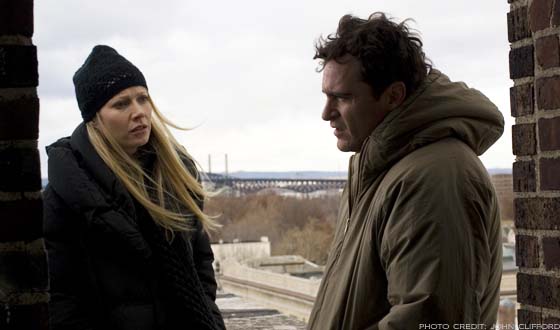
One of the unsung directors working in American independent cinema, James Gray is a storyteller who makes films about people living in parts of a dangerous society often set in the world of crime. Like many other filmmakers working outside of Hollywood, Gray doesn’t make films frequently yet he would make the kind of films Hollywood wouldn’t venture as they feature characters who are from immigrant families or those entering a new world. While he’s about to make a film that would mark a departure from many of his previous films, Gray does remain a filmmaker who prefers to work to the beat of his own drum in an industry that doesn’t value individual ideas.
Born on April 14, 1969, James Gray was born and in New York City to a family of Russian-Jewish immigrants as his father worked as an electronics contractor in the city that would include work with the city’s transit company. Gray spent much of his early life living in the boroughs of Queens in New York City where his background of being Russian and Jewish definitely affected him but it also lead him to discover films as he was enamored by the American films that were happening in the 1970s. In his teens, he would discover the world of other filmmakers such as Alfred Hitchcock, Claude Chabrol, and Francois Truffaut as it would give him ideas of the films he wanted to make.
It was also around this time his father had been caught up in a corruption scandal involving the New York City transit as it would become the basis for a future film he would make. In the late 1980s, Gray attended the University of Southern California’s School of Cinematic Arts where he learned about filmmaking and made a student film entitled Cowboys and Angels. The short got the attention of British film producer Paul Webster who was in Los Angeles looking for young talent as he was impressed with Gray’s passion for film.
Little Odessa
Given his fascination towards crime as well as being raised in a community that was diverse, Gray chose to do a film set in a section in Brighton Beach in Brooklyn that is known as Little Odessa which largely featured Russian-Jewish residents and immigrants. The film would revolve around a hitman who returns home for an assignment as he’s been estranged from his family whom he hadn’t seen for years where he learns his mother is dying. The film would play into a man struggling with returning home as he bonds with his younger brother as well as deal with the troubled relationship he has with his father. The film would give Gray a chance to present a unique look into the world of New York City crime and the world of the Russian mob which was becoming more evident following the collapse of the Soviet Union.
Through the help of Paul Webster who would produce the film, Tim Roth would play the lead role of Joshua Shapira while the cast would also include Maximillian Schell and Vanessa Redgrave as Joshua’s parents, Edward Furlong as his younger brother Reuben, and Moira Kelly as Joshua’s former girlfriend Alla. Gray would also have the film be shot on actual location in Little Odessa as he got the services of Tom Richmond as his cinematographer and a recurring future collaborator in Dana Sano to provide music for the film and be the music supervisor. Gray would avoid shooting traditional locations in favor of going into locations where many of the people in Little Odessa meet or socialize at. It would add to the sense of authenticity that Gray wanted as well as this emergence of the mob and Mafia in these little areas in New York City.
Though it is a crime drama, Gray wanted to play into Joshua’s desire to make amends with his family despite the fact that his father wants little to do with his son knowing he’s going to cause trouble. Even as Reuben wants to get to know more about his brother and escape the life that his father is living at. It would play into not just this idea of impending loss as it relate to their ailing mother but also the life that Joshua has chosen to live in as it has so much chaos and trouble where he considers leaving it. Unfortunately, he is already part of an organization that he can’t leave as he is forced to cope with his own decisions but also the fact that there can never be a true reconciliation with his own father.
The film made its premiere in September of 1994 at the Venice Film Festival where it won the festival’s second place prize in the Silver Lion along with a Volpi Cup for Vanessa Redgrave as well as receiving the Grand Prix from the Belgian Film Critics Association two years later. The film’s festival success lead to a limited U.S. theatrical release in May of 1995 where it was well-received by critics though it only made more than a million dollars in the American box office. Still, the film’s success with critics and in the festival circuit would help the film be seen by audiences with a love for American independent cinema as it would become an underground hit of sorts.
The Yards

Following the release of Little Odessa, Gray would develop another project that was much closer to his home as it related to the corruption scandal his father was involved in during the mid-1980s relating to the New York City transit system. Gray wanted to focus on a man trying to go straight and avoid trouble yet finds himself being part of a scheme with his best friend that becomes chaotic. Gray received help from emerging screenwriter Matt Reeves in writing the film as it also play into family secrets as well as some of the fallacies of loyalty. With Paul Webster also taking part as a producer, the film would be given a substantial $24 million budget due to a deal made with Miramax as Gray would receive a major casting line-up for the film. Playing the lead role of Leo Handler was Mark Wahlberg while Joaquin Phoenix was cast as his best friend Willie Gutierrez. Charlize Theron was cast as Leo’s cousin/Willie’s girlfriend Erica while the ensemble would also include Faye Dunaway, Ellen Burstyn, and James Caan.
Production began in the spring/summer of 1998 as Gray received the services of the emerging cinematographer Harris Savides who shared Gray’s love for stylized 35mm shots while Gray also received the services of the renowned composer Howard Shore. Though Gray wanted to shoot the film on location on the actual transit stations in New York City, he was denied permission from the MTA New York City Transit in shooting at their locations forcing Gray to go to other locations around Queens, the Bronx, Roosevelt Island, and New Jersey. Still, Gray was able to get what he wanted in creating a film set around this world of corruption in New York City as well as play into the different social classes as Erica’s stepfather runs the transit companies in the city as he becomes concerned about Willie’s activities as it relates to Leo getting into some trouble.
Notably as Leo and Willie get involved in trying to ruin a rival company’s work where Leo knocks a police officer unconscious while Willie would kill a yardmaster with Leo becoming the suspect. Yet, it would play into this sense of guilt and solving problems through violence where Leo is being asked to kill the cop he injured so no questions will be asked but refuses in an act of defiance as well as refusing to go back to jail. Even as he thinks about his own mother who has a heart condition with his cousin being the one to watch over her as it add intrigue to their own relationship that also carries a major secret that would anger Willie.
Plans for the film to be released in 1999 following its completion was met with delays from Miramax as it would cause some troubles between Gray and the Weinstein brothers who own and run Miramax. The film eventually premiered at the 2000 Cannes Film Festival that May to compete for the Palme d’Or where it got a good reception but it would receive a very limited release in the U.S. months later in the fall where it barely made less than $900,000 making the film a major commercial flop against its $24 million budget. Despite being well-received by critics as well as giving Joaquin Phoenix a Best Supporting Actor prize from the National Board of Reviews for the film as well as his work in two other films. The film disappeared quickly though it would become a minor hit through viewings on cable TV.
We Own the Night
Taking a break following the disappointing release of The Yards, Gray would get a major upturn in his personal life where he married Alexandra Dickson in 2005 as they would later gain three kids in the following years. It was around this time that Gray was developing a project that would be his first period film of sorts set in the 1980s where a club owner finds himself in trouble as it relates to the fact that he’s working for the Russian mob who have already targeted his father and brother who are both cops. The project would attract the attention of both Mark Wahlberg and Joaquin Phoenix who enjoyed working with Gray in The Yards as both agreed to star and produce the film as they would help raise a budget of $21 million that would also include Eva Mendes and Robert Duvall in key supporting roles.
The film would once again be set in Brighton Beach as well as New York City to play into this world of the Russian mob and their emergence into the world of crime in the city. For the lead character of Bobby Green, that is played by Phoenix, he is someone that is more concerned with making money for the nightclub he runs and spend time with his girlfriend rather than be involved with the work that his boss is doing as the operation is being taken over by the man’s nephew. Things would get complicated for Green as it relates to these changes where his brother Captain Joseph Grusinsky, played Mark Wahlberg, is leading a task force to stop this emerging drug trade only to be wounded forcing Green to question his own loyalties. The idea of loyalty which Gray had observed in his previous films would showcase not just fallacies but also men who find themselves in danger.
The film’s production in 2006 would give Gray another collaborator to work with in film editor John Axelrad who would help Gray with much of the material he shot with cinematographer Joaquin Baca-Asay. Even as Gray would hone his visual style more to play into that world of the New York City nightlife as well as delve into the look of 1970s American films that he grew up on. Notably as he would create a chase scene set in the rain as it help play into the action as well be the catalyst for Bobby to leave the life of crime for good.
The film made its premiere in May of 2007 at the Cannes Film Festival in France to compete for the Palme d’Or where the film received a mixed reaction from critics. Later being released in the U.S. through Columbia Pictures in October of that year, the film still managed to divide critics yet it would be a modest commercial success grossing more than $28 million in the U.S. while garnering a total worldwide gross of $54 million. The film would become a hit in the home video market where it made more than $22 million in DVD sales with $32 million more in DVD rentals giving Gray his first real commercial hit.
Two Lovers
The success of We Own the Night gave Grey some clout as he decided to stray from the world of crime to make something smaller that was based on Fyodor Dostoyevsky’s short story White Nights. Teaming with famed music video filmmaker Richard Menello on the screenplay, the film would be once again set in Brighton Beach in Brooklyn as it would play into a love triangle involving a troubled man, his equally-troubled neighbor, and a young woman whose father is buying the man’s family business. Grey gave the script to Joaquin Phoenix as the film would be their third collaboration as he would play the lead role of Leonard who is reeling from a break-up and a suicide attempt as he’s forced to move back home with his parents.
Retaining many of the same collaborators from his previous film, Gray would get Gwyneth Paltrow and Vinessa Shaw in their respective roles as Leonard’s two different lovers in Michelle and Sandra. The film’s cast would also include small roles from Elias Koteas, Moni Moshonov, and Isabella Rossellini as Leonard’s mother as production began in 2007 during the winter time as it would be set around the Thanksgiving/Christmas holidays. Gray would maintain something very low-key and intimate in the way he approaches Leonard’s relationship as well as the uncertainty into the relationships with the two women he’s with as they would never meet eye to eye. Gray whose films had often been driven by men decided to shift things in his approach to women where Michelle is this woman who is troubled by her substance abuse and being in an affair with a married attorney that is starting to crumble as Leonard is attracted to her flaws.
Sandra meanwhile is a woman who is kind and patient as she provides a sense of protection that Leonard needed as Gray knew that a character like that is needed to play into Leonard’s decision as he is aware that his parents are selling their laundromat business to Sandra’s father who is also looking out for Leonard. Gray would also use the apartment building that both Leonard and Michelle live in to play into the sense of longing as Gray would use the locations as characters in the film. The film premiered in May of 2008 at the Cannes Film Festival once again in competition for the Palme d’Or. The film received rave reviews though it had difficulty finding a distributor until it was finally given a limited release in February of 2009 where it did modestly well making more than $16 million worldwide while being a major hit with critics.
The Immigrant
Following a break between projects that included co-writing a script with Guillaume Canet on a remake of the 2008 French film Les liens du sang that would be directed by Canet called Blood Ties and would co-star Canet’s partner in actress Marion Cotillard. Gray would approach Cotillard in taking of a project he had been developing for a long time as he worked with Richard Menello on developing the screenplay that was partially based on stories his grandparents told him on their arrival to America from Russia. Gray wanted both Cotillard and Joaquin Phoenix to play the lead roles in the film while he turned to his family in gathering research and stories about wanting to recreate 1920s New York City as well as notes from his grandparents about their arrival to America in 1923 that included dark stories about pimps who would take immigrant women and make them work as prostitutes.
With Phoenix agreeing to play the role of the pimp Bruno and Marion Cotillard as the Polish immigrant Ewa, Gray would also create another character that would be a spark of hope for Ewa in Bruno’s magician cousin Emil as he would be played by Jeremy Renner. Cotillard would spend two months learning how to speak Polish while working on other projects as Gray would turn to casting director Douglas Aibel whom he had worked with since Little Odessa in assembling the ensemble that would also include Angela Sarafyan, Dagmara Dominczyk, and Yelena Solovey in smaller parts. Along with regular collaborators in film editor John Axelrad and music supervisor Dana Sano on board, Gray would get the services of the French-Iranian cinematographer Darius Khondji to shoot the film as well as the famed costume designer Patricia Norris to create the period costumes. Shooting began in New York City in late January of 2012 in a near-two month shoot under the working titles Low Life and Nightingale as he also got the service of visual effects supervisors Eran Dinur and Dottie Starling to help create visual recreation of 1921 New York City where the story is set.
It would revolve around a Polish immigrant who agrees to work as a prostitute for this man so she can free her sister who is being quarantined due to having tuberculosis. For Ewa who had been reported for having low morals, she is unable to find shelter until meeting Bruno as it would be troubling until she is taken back to Ellis Island for deportation is where she watches Emil perform magic as she is intrigued by him which would create this complicated love triangle with Bruno who is falling for Ewa despite using her for money. Gray wanted to play into a world where women of questionable morals are ostracized even though Ewa hasn’t done anything wrong. During the post-production period for much of 2012, the film’s U.S. distribution rights was purchased by the Weinstein Company as another battle between Gray and Harvey Weinstein occurred over its ending as Gray was able to finish the film hoping to premiere at the 2012 Toronto Film Festival that September. Instead, the film was delayed as Weinstein wanted it to have the film premiered in Cannes in May of 2013 in the hopes that Gray would change the film’s ending.
In the end, Gray won the battle to keep his vision intact for the film’s premiere at the 2013 Cannes Film Festival where the film was competing for the Palme d’Or. Despite its great reception and becoming a festival hit in 2013, the film was given a very limited release a year later only in the U.S. where despite its great critical reception. The film only made nearly $6 million against its $16 million budget though critics would continuously praise as Cotillard won the New York Film Critics Circle prize for Best Actress along with her performance in the Dardenne Brothers’ film Two Days, One Night while Darius Khondji also got a prize from the New York Film Critics Circle for his cinematography.
The Lost City of Z
While taking his break between projects before he was to do The Immigrant and co-writing Blood Ties, Gray was approached by Plan B Entertainment about developing an adaptation of David Grann’s book about Percy Fawcett’s expeditions to the Amazon and his search for a lost city. Gray at first wasn’t on board but after reading Grann’s book and learning about Fawcett’s expeditions to the Amazon and his disappearance in 1925 along with his son Jack. Gray would develop the script for Plan B whose co-founder Brad Pitt had expressed interest in playing Fawcett as well as being producer but scheduling conflicts forced him to drop out of the role though maintaining his part in developing the film with Gray writing it. While Gray was dealing with the release of The Immigrant in 2013, Benedict Cumberbatch expressed interest in playing Fawcett while Robert Pattinson joined the production in the role of Fawcett’s right-hand man Corporal Henry Costin.
Two years later, Cumberbatch would drop out due to scheduling conflicts as Gray decided to be on board full on as director while getting his longtime casting director Douglas Aibel to find another actor. Charlie Hunnam was eventually cast as Fawcett while Sienna Miller joined the production as Fawcett’s wife Nina and Tom Holland in the role of Fawcett’s son Jack. Retaining much of the same crew from his previous film including cinematographer Darius Khondji, sound editor Robert Hein, film editor John Axelrad, visual effects supervisor Eran Dinur, and music composer Christopher Spellman. Production began in August of 2015 in Belfast, Northern Ireland for many of the scenes set in Britain and Europe for nearly a month before moving to Colombia to shoot scenes set in the Amazon despite warnings from filmmaker Francis Ford Coppola about shooting a film in the jungle. While Gray was aware of what Coppola was talking about, he still shot scenes in Colombia knowing about the risks of shooting in the jungle. Still, he and his crew were prepared for what they were to face.
While the film would be an entirely different project that Gray had done as it would be the first not set in New York City, the film still played into the idea of loyalty but also its fallacies where Fawcett was hired originally to survey land in settling a border dispute between Bolivia and Brazil. Instead, he and Costin would find artifacts believing it’s from this lost city only to be met with ridicule and indifference which would force Fawcett to embark on another exposition. Yet, he would put himself at risk of not being around his family until the final expedition he would take with his eldest son Jack who is fascinated by this search as Grey knew that the film’s ending couldn’t be conventional. Instead, he aimed for something that is mystical where it played into the idea that Fawcett may have founded something with his son and they chose not to return.
The film premiered in October of 2016 as the closing film of the New York Film Festival where it got a rousing reception where it would be released internationally by StudioCanal while its U.S. release was handled by Amazon Studios and Bleecker Street as the film was released was released in the U.S. and Europe of the spring of 2017. While Gray did trim thirty-seven minutes of the film for its release in China for June of that year, the film was well-received by critics despite not making back its $30 million budget in the box office where it only made $19.3 million. Still, the film was a favorite among critics with film critic organizations giving nominations for Darius Khondji’s cinematography while the London Film Critics’ Circle gave Tom Holland a nomination for Young British/Irish Performer of the Year for his work in the film as well as his work in another 2017 release in Spider-Man: Homecoming.
Ad Astra
Gray’s next feature film that is set for a 2019 release will mark another major departure from his body of work in a sci-fi film. Teaming up with Brad Pitt’s Plan B Entertainment in producing the film with Pitt starring in the leading role, the film that Gray wrote with Ethan Gross would revolve a man who travels through the Solar System to find his father who left Earth to go to Neptune to find signs of life. The film would also star Tommy Lee Jones, Ruth Negga, Liv Tyler, and Donald Sutherland as it is set for a January 2019 release through 20th Century Fox with Gray gaining the services of the Dutch-Swedish cinematographer Hoyte van Hoytema and music composer Max Richter.
Having made six feature films with another one on the way, James Gray has definitely made a mark in American cinema by fusing elements of 1970s American cinema with European cinematic style to create something that is his own. While a lot of his films haven’t done well commercially often due to distribution and its lack of commercial appeal. Gray has managed to create the kind of films that are engaging as well as with characters that are flawed with backgrounds that are different from the environments they are in. It is why he remains one of the best American filmmakers working today who is willing to tell the kind of stories about the people who want to find something better or be part of something.
© thevoid99 2018
Based on the graphic novel by John “Derf” Backderf, My Friend Dahmer is about the early life of serial killer Jeffrey Dahmer during his time in high school and the events that would eventually shape into becoming one of the most infamous serial killers of the 20th Century. Written for the screen and directed by Marc Meyers, the film largely chronicles Dahmer’s senior year in 1977 and 1978 that would eventually lead to the moment he would commit his first murder as Disney teen pop singer/actor Ross Lynch plays the role of Dahmer while Alex Wolff plays the role of Dahmer’s classmate Derf Backderf. Also starring Anne Heche, Dallas Roberts, Tommy Nelson, and Vincent Kartheiser. My Friend Dahmer is a haunting and entrancing film from Marc Meyers.
From 1978 to 1991, Jeffrey Dahmer was infamous for killing, raping, and dismembering 17 people in the course of that period until he turned himself in only to die three years later when he was murdered in prison. Many wondered what made someone into one of the most infamous serial killers of the 20th Century as the film is about a year in the life of a young Jeffrey Dahmer just before he would commit his first murder. Marc Meyers’ screenplay is really the study of a young man who is about to become unhinged in his young life as he doesn’t just deal with being a social outcast during his senior year of high school. He would cope with growing tension between his parents, his homosexuality, his inability to fit in, and dependency on alcohol. The first scenes show Dahmer having an interest in dead animals where he puts them in jars full of acid just for the bodies to dissolve as he has an interest in bones.
Much of the film’s script doesn’t just follow Dahmer’s descent into rage and disappointment but also the events that would shape the life of a young man who would later become extremely dangerous. Even as he was forced by his father Lionel (Dallas Roberts) to stop collecting dead animals in order socialize where he would get people’s attention by pretending to have spasms to the point that one of his classmates in Derf Backderf would form a little club that would allow Dahmer to act out erratically. Eventually, the stunts that Dahmer would do eventually become troublesome with one of Derf’s friends in Neil (Tommy Nelson) becoming uncomfortable with the effects it is having on Dahmer. Derf is seen as someone who would continuously push Dahmer to act out as a way to inspire his work as an artist but he would eventually realize that something is off. Especially as he would see a glimpse into Dahmer’s family life which show Dahmer’s parents fighting and a sense of neglect towards their eldest son not knowing that he is unraveling.
Meyers’ direction is riveting in the way he captures Dahmer’s young life in the 1970s at a small suburb in Ohio where much of the film is set and shot at around these small towns of Bath and Middleburg Height. Much of Meyers’ direction is straightforward with some intoxicating imagery and compositions to play into Dahmer’s sense of detachment from the world as he prefers to be in this small shack with his collection of dead animals that would eventually be destroyed by his father. The usage of the wide and medium shots help play into that air of detachment as there aren’t many close-ups in the film as it is about Dahmer’s sense of disconnect with the social ideas of high school. There are also these eerie scenes that play into Dahmer’s secretive homosexuality where he gazes at a jogger who he sees every now and then and later meets him. There are these dark moments of humor where Dahmer would have fake spasms where it would be comical but it would also take a dark turn as it shows Dahmer unraveling little by little.
Notably as Meyers shoots a lot of the scenes at home with Dahmer’s back in front of the camera as it is clear that he’s being neglected by his parents with his mother Joyce (Anne Heche) relapsing into her own mental illness that prompts her to be unpredictable as well as be inattentive. Meyers’ direction also showcase elements of surrealism as it relates to Dahmer’s fantasy for the jogger but also this growing sense of rage that is looming with his parents being unaware of his actions. Even as the film’s final moments play into Dahmer’s isolation as well as some revelations for Derf who would get a closer look into the damage his pranks involving Dahmer would inflict. Overall, Meyers crafts an unsettling yet somber film about the makings of a future serial killer in his senior year in high school.
Cinematographer Daniel Katz does excellent work with the film’s cinematography as it play into some of the natural colors of the forests and low-key lights for the scenes at night that does help create a mood in how Dahmer sees the world. Editor Jamie Kirkpatrick does terrific work with the editing as it is largely straightforward with some rhythmic cuts and jump-cuts to play into some of the dark humor of Dahmer’s spasms and in some intensely-dramatic moments. Production designer Jennifer Klide and set decorator Carmen Navis do fantastic work with the look of the Dahmer family home as well as the interior of the school to play into the look of the late 1970s.
Costume designer Carla Shivener does nice work with the costumes as it play into what kids wore in the 1970s as well as some of the strange clothes that Dahmer’s mother wore. Sound editor Coll Anderson does superb work with the sound as it play into some of the quieter moments in the forest as it relates to Dahmer’s interest in dead animals as well as some scenes in the school which add to Dahmer’s descent. The film’s music by Andrew Hollander is brilliant for its eerie and somber ambient score that help play into Dahmer’s slow descent as well as some of the dramatic elements of the film while music supervisor Jonathan Leahy creates a soundtrack that largely consists of music from the 1970s including Badfinger, Stephen Bishop, Rocket from the Tombs, T. Rex, and other artists from that decade.
The casting by Stephanie Holbrook is wonderful as it feature some notable small roles from Liam Koeth as Dahmer’s younger brother Dave, Jack DeVillers as an early friend of Dahmer in Oliver, Tom Luce as then-Vice President Walter Mondale whom Dahmer got his classmates to meet through a phone call, Sydney Jane Meyer as Dahmer’s senior prom date, and Vincent Kartheiser in a small yet terrific performance as Dr. Matthews as the jogger that Dahmer obsesses over where Dr. Matthews examines him leading to a very uncomfortable moment. Harrison Holzer and Tommy Nelson are superb in their respective roles as Derf’s friends Mike and Neil as two classmates who encourage Dahmer to do spasms with the latter feeling remorse over the pranks they’re creating believing Dahmer is starting to unravel.
Dallas Roberts and Anne Heche are fantastic in their respective roles as Dahmer’s parents Lionel and Joyce with Roberts displaying a sense of frustration over his son’s anti-social hobbies in the hopes he can fit in while Heche provides an energetic performance as Dahmer’s mother who is becoming unhinged in her mental state as well as becoming neglectful towards her eldest son. Alex Wolff is excellent as John “Derf” Backderf as a classmate who takes an interest in Dahmer’s antics as he would start a fan club to get Dahmer to act out where he would create drawings of Dahmer only to eventually see what he’s unraveled from Dahmer. Finally, there’s Ross Lynch in what is truly a revelatory break-out performance for the young actor in the role of a young Jeffrey Dahmer. Lynch’s physicality in the way Dahmer presents himself as well as how he performs Dahmer’s spasms are chilling including the quieter moments that play into this awkwardness into his attempts to socialize as well as the rage that is building as it is truly an incredible performance from Lynch.
My Friend Dahmer is a phenomenal film from Marc Meyers that features a tremendously chilling performance from Ross Lynch. Along with its supporting cast, intense character study, an eerie music score, and haunting visuals, it is an unconventional yet ravishing portrait of a young man who would become one of the most infamous serial killers of the 20th Century. In the end, My Friend Dahmer is a sensational film from Marc Meyers.
© thevoid99 2018
Directed by George Roy Hill and written by William Goldman, Butch Cassidy and the Sundance Kid is the story of a pair of outlaws whose notoriety forces them to flee America to Bolivia in the hope of robbing more banks. The film is an unconventional western that play into two men trying to live a good life and make money through robbery as they also endure the changes of the West. Starring Paul Newman, Robert Redford, Katharine Ross, Strother Martin, Jeff Corey, and Henry Jones. Butch Cassidy and the Sundance Kid is an adventurous and thrilling film from George Roy Hill.
Set in the late 1890s before the turn of the century, the film revolves around a pair of outlaws whose work in robbing trains and banks suddenly takes a turn when they’re being pursued by a posse who wants them dead forcing the duo to go to Bolivia with one of their girlfriends in the hope of escape. It’s a film that play into a way of life and the emergence of change towards the end of the century forcing these two men to find another world that hasn’t caught up with these growing changes. William Goldman’s screenplay definitely play into this air of change though it begins with Butch Cassidy (Paul Newman) and the Sundance Kid (Robert Redford) at a small town where the former is looking at a bank while the latter is playing cards as people know about their infamy as robbers. Yet, the lack of serious work prompts many to question Cassidy’s leadership in the gang he runs as they would eventually find a train to rob. For all of its success, it would be fleeting as a second robbery would be the catalyst for not just trouble but also being pursued by a posse that is unlike anything else.
Butch and Sundance are just two men who know what to do as Butch is the man with ideas while Sundance is a man of action but they still bring out the best in each other as they also have an unlikely partnership with Sundance’s lover Etta Place (Katharine Ross) who knows about their exploits but often remains quiet until she chooses to join them on the journey to Bolivia. Much of the film’s first half is set in America while the second half is set in Bolivia where Goldman play into this idea of uncertainty but also culture shock. Still, it does give the duo an advantage in robbing banks with Etta’s help for some of the robberies where it does bring this sense of euphoria for all three but there’s also elements of paranoia as it relates to the posse that was pursuing them. The third act in Bolivia also play into Butch and Sundance’s attempt to go straight but the notoriety they had created in Bolivia has only created more trouble.
George Roy Hill’s direction is definitely engaging for the way he captures this air of change in the American West and the need for these two outlaws to go to Bolivia to maintain their idea of robbery in the old ways. Shot on various locations in Utah, New Mexico, Colorado, Arizona, and California for the scenes in America with the scenes in Bolivia shot in Mexico, the film does play into this world of the American West as a world that was wild and free but a growing sense of law and order is emerging but also the idea that big business can control things. The film’s opening sequence is shot in a sepia-like look reminiscent of early photographs as it play into their sense of adventure but also in being men that are becoming out of step with the times. Then the film goes into color as Hill would use wide shots of the locations along with unique compositions to play into the danger as it relates to the posse that is going after Butch and Sundance. Even as the shot would be shown from their perspective where they see the posse from afar who are a determined group that isn’t fooled by any tricks. The film would also have Hill use medium shots and close-ups as it relates to the conversations between Butch, Sundance, and Etta that add to the sense of character and their motivations for a good life.
The film would include a great sequence of old-school photograph stills montage to play into the journey that the three would embark from the West to South America as it has elements of humor but also this air of adventure until they arrive in Bolivia not realizing that it’s a totally different world with some different rules. Notably as Butch and Sundance know little Spanish forcing Etta to teach them certain phrases during the robberies. The film’s third act definitely marks a shift in tone where it is darker with the added element of violence along with revelations into Butch and Sundance’s own infamy in their robberies. It also include the fact that the Bolivians are a completely dangerous whenever they feel antagonized leading to this epic showdown that is thrilling but also with a lot at stake. Overall, Hill crafts an exhilarating film about two outlaws trying to maintain their way of life in the West and in Bolivia.
Cinematographer Conrad Hall does amazing work with the film’s cinematography from the usage of sepia-like colors for the film’s opening sequence to the dreamy look of some of the exterior scenes in the day and night in the deserts along with some low-key lights for some of the interiors at night. Editors John C. Howard and Richard C. Meyer do excellent work with the editing as its usage of dissolves, montages, and transitional wipes help play into the action and humor with some rhythmic cuts to play into bits of the suspense. Art directors Philip M. Jefferies and Jack Martin Smith, along with set decorators Chester Bayhi and Walter M. Scott, do fantastic work with the look of the farm that Etta lives at as well as the places in Bolivia and the train carts in America.
Costume designer Edith Head does excellent work with the costumes as it play into the turn of the century with some stylish dresses that Etta wears as well as the uniforms worn by the Bolivian police and its military. The sound work of David Dockendorf and Bill Edmondson is terrific for the way it captures gunfire and other sound effects as well as the intense atmosphere of the film’s climatic showdown between Butch and Sundance against the Bolivians. The film’s music by Burt Bacharach is incredible as its playful usage of orchestration add a lot to the film’s sense of adventure and humor that would also include the song Raindrops Keep Fallin’ on My Head written by Bacharach and Hal David that is sung by B.J. Thomas for a lively scene involving Butch and Etta with the new invention in a bicycle.
The film’s wonderful cast include some notable small roles from Cloris Leachman as a prostitute Butch occasionally sleeps with, Ted Cassidy as a gang member who challenges Butch’s leadership in Harvey Logan, Charles Dierkop as a gang member in Flat Nose Curry, Kenneth Mars as a marshal trying to get everyone to find Butch and Sundance, George Furth as a railroad bank worker named Woodcock whom Butch and Sundance run into, Henry Jones as a bicycle salesman, Jeff Corey as Sheriff Bledsoe who helps Butch and Sundance evade the posse, and Strother Martin as mining company boss in Percy Garris who runs a Bolivian mining company that tries to give Butch and Sundance a chance to live a straight life.
Katharine Ross is remarkable as Etta Place as a schoolteacher who runs her own farm as she is Sundance’s lover as someone who isn’t entirely fond of what Sundance does but does join him and Butch to Bolivia where she helps them rob banks until danger starts to emerge. Finally, there’s the duo of Paul Newman and Robert Redford in phenomenal performances in their respective roles as Butch Cassidy and the Sundance Kid where they both have this air of camaraderie in the way they deal with each other but also bring out the best with Newman being the man who is the thinker and trying to come up with ideas and Redford as the man of action who is also skeptical of Butch’s ideas but often follows along as Newman and Redford are a joy to watch as well as provide that air of true friendship that is often lost in films.
Butch Cassidy and the Sundance Kid is a magnificent film from George Roy Hill. Featuring top-notch performances from Paul Newman, Robert Redford, and Katharine Ross along with William Goldman’s inventive screenplay, Burt Bacharach’s whimsical score, gorgeous visuals, and the theme of changing times in the West. The film isn’t just a western that has a lot of thrills but also play into two men trying to hold on to their ideals and way of life before the arrival of the 20th Century. In the end, Butch Cassidy and the Sundance Kid is an outstanding film from George Roy Hill.
George Roy Hill Films: (Period of Adjustment) – (Toys in the Attic) – (The World of Henry Orient) – (Hawaii) – (Thoroughly Modern Millie) – (Slaughterhouse-Five) – The Sting – (The Great Waldo Pepper) – (Slap Shot) – (A Little Romance) – (The World According to Garp) – (The Little Drummer Girl) – (Funny Farm)
© thevoid99 2018
Directed by Martin Scorsese, No Direction Home: Bob Dylan is a documentary film about the life and career of Bob Dylan from his early life and impact on popular culture until the 1966 motorcycle accident that would nearly kill him and put him into a temporary retirement. The film would feature footage of Dylan in those times including archival interviews with Dylan talking about those events as well as a look into the folk music scene of the times. The result is an engrossing and evocative film from Martin Scorsese.
In the 1960s during a period of social change, folk music was considered the soundtrack to express these changes during the Civil Rights movement as well as with what was happening politically in those times. The biggest voice of that music scene was Bob Dylan whose songs would be covered by many in the world of folk, pop, and rock music as he was seen as the voice of a generation whether he liked it or not. The film is about Dylan’s time in the spotlight until a motorcycle accident in July of 1966 put him into seclusion where he rarely made public appearances for eight years until he toured again in 1974 with the Band. Dylan is interviewed from a 2000 conversation with his manager Jeff Rosen about these events as Rosen allowed the interview to be used in the film as many of the interviews with individuals involved such as Allen Ginsberg, Peter Yarrow, Pete Seeger, Mavis Staples, Al Kooper, Joan Baez, Bob Neuwirth, filmmaker D.A. Pennebaker, and Dylan’s former girlfriend from the early 1960s in Suze Rotolo are dated as far back as the mid-1990s.
Using a lot of archival footage including material and outtakes from documentary films such as D.A. Pennebaker’s Dont Look Back and Murray Lerner’s Festival plus the rarely-seen documentary about Dylan’s 1966 tour in the film Eat the Document. Martin Scorsese would create a narrative that play into Dylan’s early life and his ascent into stardom that is inter-cut with footage from the 1966 tour in Europe where he is getting a polarized reaction for playing rock n’ roll. Scorsese play into not just Dylan’s early life living in a small town of Hibbing, Minnesota where it was an ordinary town yet he would discover different kinds of music late at night from the early ideas of rock n’ roll, blues, folk, and country music. Dylan also talked about the folk music scene of the early 1960s where it wasn’t about people getting famous but rather create a community of art and music without any kind of complications and create some kind of commentary about what is happening in America.
Through the interviews with Baez, Staples, Neuwirth, and several others that was shot by several cinematographers led by Mustapha Barat with contributions from Maryse Alberti and Ellen Kuras, Scorsese manages to get an idea of how Dylan coped with his fame as Scorsese would do an audio re-enactment of the 1963 Emergency Civil Liberties Committee ceremony where Dylan received the Tom Paine award as it was a moment that had Dylan display his discomfort of being a voice for any kind of movement. With the help of sound editor Philip Stockton, Scorsese would use that moment to play into a moment that would mark a change in Dylan from being this folk singer into wanting to be something else. Even as Baez and Rotolo discuss how their relationship with Dylan would change and fall apart in that time of his growing fame as it would force him to do other things while Baez would continue to create protest music as a way to speak about what is going on.
With the help of editor David Tedeschi, Scorsese would compile various concert footage including rare footage from Dylan’s 1966 tour that includes the infamous show at the Manchester Free Trade Hall where a fan screamed “Judas” at him for betraying the folk movement. It all play into Dylan’s refusal to be labeled for other people while he would admit that he was arrogant into the way he treated himself as a major figure. Even as the tour would serve as the peak of his public persona as this unlikely spokesman of a generation who was becoming increasingly difficult and didn’t care about what his audience thought.
No Direction Home: Bob Dylan is a sensational film from Martin Scorsese. It’s a sprawling documentary film in a near-4 hour running time that chronicles Dylan at his most famous as well as his most controversial with the man getting the chance to talk about that period. Even as it showcases rare footage and insight into the period of the times including Dylan’s early background. In the end, No Direction Home: Bob Dylan is a spectacular film from Martin Scorsese.
Related: Dont Look Back - I'm Not There - Trouble No More
Martin Scorsese Films: (Who’s That Knocking on My Door?) – (Street Scenes) – Boxcar Bertha – (Mean Streets) – Italianamerican – Alice Doesn't Live Here Anymore - Taxi Driver - New York, New York – American Boy: A Profile of Steven Prince - (The Last Waltz) – Raging Bull - The King of Comedy - After Hours - The Color of Money - The Last Temptation of Christ - New York Stories-Life Lessons - Goodfellas – Cape Fear (1991 film) - The Age of Innocence - (A Personal Journey with Martin Scorsese Through American Movies) – (Casino) – (Kundun) – (My Voyage to Italy) – Bringing Out the Dead - (The Blues-Feel Like Going Home) – Gangs of New York - (The Aviator) – The Departed - Shine a Light - Shutter Island - (A Letter to Elia) – (Public Speaking) - George Harrison: Living in the Material World - Hugo - The Wolf of Wall Street - (The Fifty Year Argument) – The Silence - (The Irishman (2018 film)) - Killers of the Flower Moon - (An Afternoon with SCTV)
© thevoid99 2018
Based on the novel by David Grann, The Lost City of Z is a fictionalized story of Percy Fawcett’s exploration through the Amazon to find a lost city as he would go on various trips in his lifetime to find this mysterious city. Written for the screen and directed by James Gray, the film is a look into a man’s determination to uncover a legendary myth that would later become an obsession. Starring Charlie Hunnam, Robert Pattinson, Sienna Miller, Angus MacFayden, Ian McDiarmid, Franco Nero, Harry Melling, Clive Francis, and Tom Holland. The Lost City of Z is a ravishing yet eerie film from James Gray.
Told in the span of 20 years in the early 20th Century, the film follows the exploits of Percy Fawcett (Charlie Hunnam) who was a military officer that was asked by the Royal Geographical Society into surveying a land that is at the center of a border dispute between Brazil and Bolivia. This journey into South America and the Amazon would lead to this obsession in finding what he believes to be a lost city where the first idea of civilization began. It would be a journey that Fawcett would venture into through the course of 20 years where he would return to Britain with his findings only to be met with ridicule and skepticism. James Gray’s screenplay revolves around three expeditions Fawcett would make as he would often be accompanied by Corporal Henry Costin (Robert Pattinson) in these expeditions since Costin does know a lot about the Amazonian rain forests. The first act is about Fawcett’s life as an officer in Britain as well as his first expeditions through the Amazon where he would make a discovery about the possibility of a lost city.
The second act is about another expedition with Costin and another soldier in Corporal Arthur Manley (Edward Ashley), who also took part in the first expedition, where they’re joined by famed biologist James Murray (Angus MacFayden) who is unprepared for the trek through the Amazon as he becomes a liability into the expedition that would be stopped abruptly due to Murray’s selfishness and the news of Archduke Ferdinand’s assassination that would start World War I. While it is obvious there are some dramatic liberties that do relate to Fawcett’s explorations as well as what happened to him in World War I, it does play into the fact that the man was devoted to his family including his wife Nina (Sienna Miller) whom he always turn to for advice. The third act is about Fawcett’s final expedition with his eldest son Jack (Tom Holland) in 1925 as well as the fame he received about his past expeditions before embarking on the journey that would eventually be shrouded with mystery.
Gray’s direction is definitely mesmerizing for the scope of the locations he captures as well as the sense of danger and mystery into exploring the Amazon. Shot largely on location in Belfast and other parts of Northern Ireland for scenes set in Britain with the scenes of the Amazon shot near Santa Marta, Colombia. Gray would create an atmosphere for the two different worlds where they both share an air of serenity and chaos. The scenes set in Britain would play into a world that is organized but also with an air of superiority towards their idea about the people in the Amazon believing to be savages. It’s an idea that Fawcett doesn’t agree with as Gray would use medium shots and close-ups in how characters interact with one another in Europe with some wide shots for some of the location. When Fawcett is at the Amazon with Costin and Manley, the direction is definitely looser but also with an air of unpredictability as it relates to the encounter with natives. Notably in the second act where Costin is able to communicate with the natives where he, Costin, and Manley make a major discovery about their way of living.
Gray would also play into this air of chaos that looms into Fawcett’s findings with those in the British government not impressed with his findings and claims while there would be a brief detour for a World War I battle scene where Fawcett has to lead a regiment with Costin at his side. It would include a small scene where Fawcett and other soldiers meet a fortune teller who is aware of Fawcett’s obsession with finding the lost city as she would tell him it is his destiny. The film’s third act does play into this air of intrigue in Gray’s direction into not just Fawcett’s return to the Amazon with his son Jack joining him but also what has changed in the years since his last major expedition. Still, Gray wants this final expedition to be more about the bonding between father and son who went through a period of estrangement as they would embark on a discovery that would create intrigue but also the idea that what they found is something much bigger. Overall, Gray crafts an intoxicating and haunting film about a man’s desire to find a lost city in the middle of the Amazon in the course of 20 years.
Cinematographer Darius Khondji does brilliant work with the film’s cinematography with the usage of sepia-drenched lighting for some of the nighttime interiors in Britain as well as a few nighttime scenes with the usage of fire while emphasizing on low-key colors for some of the exterior scenes in the jungle as it’s a highlight of the film. Editors John Axelrad and Lee Haugen do excellent work with the editing as it is straightforward with some rhythmic cuts for some of the action and suspense including a few montages that play into the surrealism that Fawcett would encounter. Production designer John Vincent Puzos, with set decorators Maria Andrea Rangel and Naomi Moore plus senior art director Fiona Gavin, does amazing work with the look of the homes that the Fawcett families lived in as well as the site for one of the tribes that Fawcett and his men encounter where they stay briefly yet peacefully. Costume designer Sonia Grande does fantastic work with the costumes from the dresses that Nina wears as well as the suits and clothes that the men wore during those times.
Hair/makeup designer Nana Fischer does terrific work with the look of Costin with his beard as well as some of the hairstyle that Nina sported in those times. Special effects supervisor Simon Cockren and visual effects supervisor Eran Dinur do superb work with some of the special effects that include bits of set dressing as well as the look for some of the animals Fawcett and his team encounter. Sound editor Robert Hein does incredible work with the sound in capturing the atmosphere of the jungles and for the World War I sequence as well as the quieter moments in the film. The film’s music by Christopher Spellman is wonderful for its orchestral score that play into the suspense and drama for some of the scenes set in the Amazon while music supervisors George Drakoulias and Randall Poster provide a mixture of classical and traditional pieces of the times as well as opera piece that Fawcett and his men would hear early in the film.
The casting by Kate Ringsell is great as it feature some notable small roles from Nathaniel Bates Fisher and Daniel Huttlestone in their respective roles as the adolescent and teenage versions of Brian Fawcett, Bethan Coomber as the seven-year old Joan Fawcett, Elena Solovey as the fortune teller Madame Kumel, Pedro Coello as Fawcett’s native guide Tadjui who accompanies on the first expedition, Harry Melling as a young government official in William Barclay who mocks Fawcett’s findings, Tom Mulheron and Bobby Smalldridge in their respective roles as the young and adolescent Jack Fawcett, Edward Ashley as the often-reliable Corporal Arthur Manley who joins Fawcett and Costin in their expeditions, Clive Francis as the RGS official Sir John Scott Kettle who is a supporter of Fawcett’s expeditions as well as the few that believed him, and Ian McDiarmid in a terrific performance as Sir George Goldie who heads the Royal Geographical Society in which he assigns Fawcett to survey the land between Brazil and Bolivia to settle their border dispute. Franco Nero is superb as the mysterious Baron de Gondoriz as a man who lives in the jungle as he would lend Fawcett information as well as a guide.
Angus MacFayden is fantastic as the famed biologist James Murray who joins Fawcett for an expedition that he was unprepared for as he would be a liability and would later try to discredit Fawcett for his own selfish reasons. Tom Holland is excellent as Jack Fawcett in his teens and young adulthood as a young man unhappy with his father’s reputation and not being around only to later join him on the final expedition where he would more than acquit himself into life in the jungle. Sienna Miller is amazing as Nina Fawcett as Percy’s wife who is treated as an equal to her husband as well as help him find information and such while knowing that Jack wants to join his father. Robert Pattinson is brilliant as Corporal Henry Costin as Fawcett’s right-hand man who had been to the Amazon and help him find certain pieces as it’s a low-key yet reserved performance from Pattinson that allows him to show so much by doing so little. Finally, there’s Charlie Hunnam in an incredible performance as Percy Fawcett as a man determined to find this lost city where Hunnam display a sense of humility and curiosity as well as knowing that not everything he does is the right decision as it is Hunnam giving one of his finest performances of his career so far.
The Lost City of Z is a tremendous film from James Gray that features great performances from Charlie Hunnam, Sienna Miller, Robert Pattinson, and Tom Holland. Along with its gorgeous visuals, beautiful locations, intricate sound work, and eerie music, the film is definitely a mesmerizing look into a man’s obsession to find a place that is considered mythical but also discover wonders that traditional society would have trouble understanding. In the end, The Lost City of Z is a phenomenal film from James Gray.
James Gray Films: Little Odessa - The Yards - We Own the Night - Two Lovers - The Immigrant (2013 film) - Ad Astra – The Auteurs #67: James Gray
© thevoid99 2018
Directed, shot, and edited by Steven Soderbergh and written by Rebecca Blunt, Logan Lucky is the story of a trio of siblings who try to end their family’s streak of bad luck and underachievement by robbing the Charlotte Motor Speedway and hope they don’t get caught by the FBI. The film marks a return from Soderbergh following a four-year break from films as he returns to a genre that has brought him success and mixing it with humor. Starring Channing Tatum, Adam Driver, Riley Keough, Katie Holmes, Hilary Swank, Sebastian Stan, Katherine Waterston, Seth McFarlane, Jack Quaid, Brian Gleeson, Dwight Yoakam, and Daniel Craig. Logan Lucky is an exhilarating and whimsical film from Steven Soderbergh.
The film follows two brothers whose lives haven’t gone well as they conspire with their younger sister about stealing money at the Charlotte Motor Speedway with the help of an incarcerated safecracker they know. It’s a film with a simple premise with some complexities and intrigue yet it is about a family trying to change their fortunes and hope to give themselves a better life. Yet, they know they can’t do it by themselves as it’s not just this safecracker they need but also his brothers who aren’t very smart but are dependable. Rebecca Blunt’s screenplay does follow a simple three-act structure as the first act is about the Logan family with the eldest in Jimmy (Channing Tatum) was once a promising football star until his right knee gave out as he works in construction and wanting to be a good dad to his daughter Sadie (Farah Mackenzie) whom he has shared custody with his ex-wife Bobbie Jo Chapman (Katie Holmes).
Yet, he would be laid off due to insurance liabilities relating to his knee as it add to his growing misfortunes that would include his younger brother Clyde (Adam Driver) who lost part of his left arm in the Iraq War and is wearing a prosthetic while working as a bartender. The first act doesn’t just play into the Logans’ misfortune and Jimmy’s motivation to rob the Charlotte Motor Speedway but also wanting to change it as he knows what to do, where to steal, and when as they recruit their younger sister Mellie (Riley Keough), the incarcerated safecracker Joe Bang (Daniel Craig), and Bang’s younger brothers Sam (Brian Gleeson) and Fish (Jack Quaid). The second act isn’t just about the heist but also how Joe and Clyde, who would put himself in prison to help Joe, break out and later get back in to serve their sentences but there are also complications as it relates the day of the heist forcing Jimmy to change plans. The third act is about its aftermath where the no-nonsense FBI agent Sarah Grayson (Hilary Swank) come in and figure what is going on as she would prove to be a match for all involved.
Steven Soderbergh’s direction is definitely stylish in some respects in terms of some of the compositions and set pieces he creates yet much of it is still straightforward as it play into the simple world of a trio of unfortunate siblings. Shot on various locations in North Carolina as well as Charlotte including the Charlotte Motor Speedway and parts of the Atlanta Motor Speedway. Soderbergh does use the locations to play into this world of the American South as it is set mainly in the border between West Virginia and North Carolina where Jimmy did some of his construction work in the latter though he lives in the former. Soderbergh would emphasize on a simple approach to the compositions such as the opening scene of Jimmy fixing his truck while talking to Sadie about a John Denver song. It’s among these moments where Soderbergh can bring so much by doing so little which would also include a key scene of Sadie doing her pageant performance as the simplicity of the shots are captivating in establishing what is happening but also would serve as a key motivation for the few involved in that scene.
Also serving as cinematographer and editor in respective pseudonyms as Peter Andrews and Mary Ann Bernard, Soderbergh’s approach to the visuals as there are some stylistic approach to lighting for some of the interiors and scenes at night whether it’s the usage of dark-yellowish colors or something natural for some scenes set in the daytime. Soderbergh’s editing does have style such as this usage of dissolves in a montage for some characters during the third act but also in some stylish cuts as it play into the heist and its aftermath. The heist sequence has elements of comedy but also intrigue into the attention to detail of what is going on and how they get the money but there’s also some twists and turns along the way such as what is happening at the prison Joe and Clyde are serving at. Soderbergh would also infuse bits of comedy as it relates to a snobbish British businessman in Max Chaliban (Seth MacFarlane) who would rile up the Logan brothers but also put himself into some serious shit. All of which play into two sets of siblings trying to pull off a heist without having the authorities wonder who it is. Overall, Soderbergh crafts as mesmerizing and fun film about a trio of siblings trying to rob the Charlotte Motor Speedway to end their family curse.
Production designer Howard Cummings, with set decorators Barbara Munch plus art directors Eric R. Johnson and Rob Simons, does brilliant work with the look of the homes that some of the characters live in as well as the interior of the tube system inside the Charlotte Motor Speedway. Costume designer Ellen Mirojnick does fantastic work with the costumes from the dresses that Sadie wears for her pageant as well as some of the stylish clothing that Mellie wears. Visual effects supervisors Christina Mitrotti and Lesley Robson-Foster do terrific work with the visual effects as it relates to Clyde without his prosthetic as well as a few set dressing scenes. Sound designer Larry Blake does excellent work with the sound as it play into the way the tube system sounds from the inside as well as the scenes at the race track. The film’s music by David Holmes is amazing for its electronic-jazz score that has a lot of energy in the way it play into the suspense and humor with some blues and rock in the mix while music supervisor Season Kent provides a fun soundtrack of blues, rock, and country from artists and acts like Bo Diddley, John Denver, the Groundhogs, Lord John Sutch, John Fahey, LeAnn Rimes, Dr. John, and Creedence Clearwater Revival.
The casting by Carmen Cuba is great as it feature some notable small roles and appearances from real NASCAR racers Carl Edwards and Kyle Busch as state troopers, Jon Eyez as an inmate friend of Joe in Naaman, Kyle Larson as a limo driver, LeAnn Rimes as herself singing America the Beautiful, Brad Keselowski and Joey Logano as security guards, the trio of Jeff Gordon, Darrell Waltrip, and Mike Joy as themselves commentating the race, Charles Halford as a friend of the Logans in Earl, Macon Blair as Grayson’s partner, Jim O’Heir as Jimmy’s boss early in the film who reluctantly lays him off, David Denman as Bobbie Jo’s husband Moody Chapman, Boden and Sutton Johnston in their respective roles as Moody’s sons Dylan and Levi, Ann Mahoney as a woman working security named Gleema, and Sebastian Stan in a terrific small role as NASCAR racer Dayton White who tries to live a healthy lifestyle despite working for Chaliban.
Katherine Waterston is fantastic in a small role as a former classmate of Jimmy in Sylvia who runs a mobile clinic where she gives Jimmy a tetanus shot. Dwight Yoakam is superb as Warden Burns as a prison warden who tries to uphold some order during a prison riot that lead to Joe and Clyde’s brief escape. Jack Quaid and Brian Gleeson are hilarious in their respective roles as Joe’s dim-witted brothers Fish and Sam as two guys who aren’t smart but are still guys who can get the job done. Katie Holmes is wonderful as Bobbie Jo Chapman as Jimmy’s ex-wife who is still bitter about Jimmy’s shortcomings as she is also concerned about her daughter’s performance at the pageant. Farrah Mackenzie is brilliant as Sadie as Jimmy and Bobbie Jo’s daughter who is entering a beauty pageant as she turns to her Aunt Mellie for help while wondering what song to sing at the pageant. Hilary Swank is excellent as Sarah Grayson as a no-nonsense FBI agent who arrives in the film’s third act as she knows something is up but is also aware that whoever stole the money are a lot smarter than anyone realizes.
Seth MacFarlane is a joy to watch as Max Chaliban as a pretentious businessman from Britain with awful hair and a mustache who insults the Logan brothers as well as try to get his racer to drink his awful energy drink as he is just fun to watch. Riley Keough is amazing as Mellie Logan as a hairdresser who doesn’t believe in the family curse but is aware that the family hasn’t done great as she helps her brothers with the robbery in her own way while being there for her niece Sadie for the upcoming pageant. Daniel Craig is incredible as Joe Bang as a safecracker who is doing time in prison that knows how to open safes while Craig is given the chance to be funny and charming as he is a joy to watch. Adam Driver is marvelous as Clyde Logan as a former Iraq War veteran with a prosthetic left arm who also works as a bartender where he is reluctant to be part of the bank robbery as he had gotten arrested before as a kid yet is hoping to reverse the family curse. Finally, there’s Channing Tatum in a remarkable performance as Jimmy Logan as a former football star turned construction worker who decides to rob the Charlotte Motor Speedway in the hope to change his family fortunes but also give his daughter a chance for a future as it is a low-key but charismatic performance from Tatum.
Logan Lucky is a phenomenal film from Steven Soderbergh. Featuring a great cast, gorgeous visuals, a killer music soundtrack, and a witty take on the caper/heist film. The film is definitely one of Soderbergh’s most entertaining films but also one that is full of engaging characters and moment that are full of heart and joy. In the end, Logan Lucky is a spectacular film from Steven Soderbergh.
Steven Soderbergh Films: sex, lies, & videotape - Kafka - King of the Hill - The Underneath - Gray’s Anatomy - Schizopolis - Out of Sight - The Limey - Erin Brockovich - Traffic - Ocean's Eleven - Full Frontal - Solaris (2002 film) - Eros-Equilibrium - Ocean’s Twelve - Bubble - The Good German - Ocean’s Thirteen - Che - The Girlfriend Experience - The Informant! - And Everything is Going Fine - Contagion - Haywire - Magic Mike - Side Effects - Behind the Candelabra - (Unsane) – (High Flying Bird)
The Auteurs #39: Steven Soderbergh: Part 1 - Part 2
© thevoid99 2018
For the 29th week of 2018 as part of Wandering Through the Shelves' Thursday Movie Picks series hosted by Wanderer. We focus on the subject of parents. Not the ones who bring love and guide the children but the ones who are bad and do horrible things to their kids like Joe Jackson to his kids including Michael and Janet. The fucker just died and honestly, good fucking riddance. Here are three picks:
1. Mommie Dearest
Joan Crawford is unquestionably Hollywood royalty who gave us great performances in all sorts of films. Yet, behind the scenes. She was an evil bitch to her two adopted children and when she died, she left them nothing but that didn’t stop her adopted daughter Christina to write a tell-all that became one of the most over-the-top and campiest films ever made. With Faye Dunaway as Joan Crawford and Diana Scarwid as the teenage/adult Christina, the film is fucking nuts from start to finish. What Al Pacino did in Scarface for aspiring actors is exactly what Dunaway has done for aspiring actresses with this film. NO WIRE HANGERS EVER!!!!!!!
2. This Boy’s Life
Based on Tobias Wolff’s memoir, the film that would give the film world a proper introduction to Leonardo DiCaprio as Wolff is this compelling film about a mother and her son being part of a new family with Robert de Niro playing the insecure and vicious Dwight Hansen who is essentially the stepfather from Hell. Hansen would often beat Wolff and try to toughen him up every way he can but still remains a fucking asshole. One notable scene involving an empty jar of mustard as it was brutal to see de Niro press that jar of mustard on DiCaprio as there’s mustard stains on his face. It is a tough film to watch but certainly powerful.
3. Natural Born Killers
From Oliver Stone comes a film that is definitely insane in every sense of the word from a story by Quentin Tarantino as it would feature Rodney Dangerfield in one of the most shocking performances of his career. Playing Juliette Lewis’ dad, Dangerfield is darkly-comical in the way he presents himself and berates Lewis by calling her a stupid bitch as well as showing that he doesn’t just verbally abuses her. He is also cruel to his wife who doesn’t even stop the abuse as their fate would eventually come as it help add to the legend of Mickey and Mallory Knox in the film which remains notorious but also unlike anything since its 1994 release.
© thevoid99 2018
Inspired by Fyodor Dostoyevsky’s short story White Nights, Two Lovers is the story of a man who returns home to New York City as he finds himself engaged to a woman when he falls for a neighbor. Directed by James Gray and screenplay by Gray and Richard Menello, the film is an unusual romantic triangle where a man finds himself falling for a beautiful woman but also wants to be a good man to his fiancé. Starring Joaquin Phoenix, Gwyneth Paltrow, Vinessa Shaw, Elias Koteas, Moni Moshonov, and Isabella Rossellini. Two Lovers is a rapturous and intoxicating film from James Gray.
The film revolves around a troubled man who finds himself in a love triangle with a beautiful neighbor he’s fallen for and a woman whose father wants to buy his parents’ laundromat business. It’s a film that plays into a man dealing with not just in love with two different women but also the fact that he’s still reeling from heartbreak as he is unsure of what to do. The film’s screenplay by James Gray and Richard Menello opens with Leonard Kraditor (Joaquin Phoenix) walking near a creek on his way home as he thinks about his former fiancée who broke up with him as he jumps off a bridge in a suicide attempt. He is saved but still has to return home unaware that his parents are having a meeting with the people who are going to buy their laundromat as they’re bringing in their daughter Sandra Cohen (Vinessa Shaw) who is fascinated by Leonard. During this time he’s dealing with his family’s business being bought, he meets a neighbor in Michelle Rausch (Gwyneth Paltrow) as they hang out and such as he’s unaware of how troubled she is.
Throughout the course of the script, Leonard is being pulled into two spectrums as he is often leaning towards Michelle because they both share emotional and mental troubles as Leonard is still coping with a break-up as it forced him to move back to his parents. Yet, his time with Michelle would often lead to a lot of questions than answers as she is having an affair with a married law partner in Ronald Blatt (Elias Koteas) that is becoming tumultuous. It’s a relationship that is problematic yet Leonard does find himself courting Sandra who is a more grounded person and very kind but also doesn’t want to make him uncomfortable as it relates to his previous break-up. Plus, her parents like him and his parents like her a lot where they attend family events and such as he feels more relaxed around her. Still, he is enamored with Michelle who wants his help as it relates to her relationship with Ronald with Leonard’s mother Ruth (Isabella Rossellini) watching from afar.
Gray’s direction is low-key as it doesn’t emphasize too much on style in favor of aiming for an intimate story of a man torn between two women. Shot mainly on the Brighton Beach area in Brooklyn in New York City with some of the films shot on New York City, the film does play into this environment that is largely working-class but also a world that is also vibrant. Gray would use some wide shots for some of the locations including some scenes on the apartment rooftop in a few conversation scenes between Leonard and Michelle that is presented on an entire take in one shot with a few more to follow in medium shots and close-ups. Yet, much of Grey’s approach of the film is to shoot it in many rooms and apartments as well as real locations around Brooklyn to play into this world these characters live in but also one that is prospering as far as Leonard’s father Reuben (Moni Moshonov) is concerned knowing that his family laundromat is going to be a part of something big with Leonard having something to fall back on since his aspirations as a photographer hasn’t gone anywhere.
Gray’s direction also play into the idea of longing since Leonard and Michelle live in the same build but across from each other’s window as it adds intrigue to their relationship whenever they talk on the phone as Ruth is supposedly hearing the conversation though she isn’t seen. Gray’s direction also play into this temptation where Leonard is attending a Bar Mitzvah for Sandra’s brother as he spends all of his time there but gets a call from Michelle whom he sees later as Gray would make the choice of having Michelle and Sandra never meet each other though the latter does know about the former due to conversations with Leonard. The film’s climax relates to Leonard’s decision about his future and his love life as it would play into the idea of safety in Sandra or to risk it all with Michelle. Overall, Gray crafts a tender yet intoxicating film about a man torn between two women he is in love with.
Cinematographer Joaquin Baca-Asay does brilliant work with the film’s cinematography as it emphasizes on mood for its usage of sepia-based lighting for many of its interiors and scenes set at night along with more blue-grey colors for a few daytime exteriors including a scene at a restaurant with Leonard and Sandra. Editor John Axelrad does excellent work with the editing as it is straightforward to play into the drama with a few rhythmic cuts to play into some of the film’s emotional moments. Production designer Happy Masse, with art directors Marc Benacerraf and Pete Zumba plus set decorator Carol Silverman, does fantastic work with the look of the apartment that Leonard’s family lives including his messy room as well as the apartment that Michelle lives in.
Costume designer Michael Clancy does nice work with the costumes as it is largely straightforward for its Christmas holiday setting with the exception of a few stylish clothes that Michelle wears as well as a New Year’s Eve dress that Ruth wears. Sound designer Douglas Murray does superb work with the sound as it play into the atmosphere of a few party scenes as well as the sparse and quiet sounds for some of the scenes at the apartment rooftop. Music supervisor Dana Sano does terrific work in assembling the film’s soundtrack as it include some classical pieces for the film’s score as well as a mixture of hip-hop, opera, and jazz music to play into the world that the characters are in.
The casting by Douglas Aibel is wonderful as it feature some notable small roles and appearances from Anne Joyce as Leonard’s former fiancée in a dream sequence and in picture, Iain J. Bopp as Sandra’s little brother David, Samantha Ivers and Jeannie Serrales as a couple of Michelle’s friends, Julie Budd as Sandra’s mother Carol, and Bob Ari as Sandra’s father Michael who would make an offer to Leonard about his future at his company. Elias Koteas is terrific as Ronald as Michelle’s married lover who is concerned about her well-being as he asks Leonard to keep an eye on her. Moni Moshonov is superb as Leonard’s father Reuben as a man that is trying to uphold his deal in this merger as well as ensure that his son would not have to worry about his future.
Isabella Rossellini is fantastic as Leonard’s mother Ruth who is concerned about her son’s well-being as she is also wondering what is going on as she seems to know about his affair with Michelle as it’s a very low-key yet mesmerizing performance. Vinessa Shaw is amazing as Sandra Cohen as a woman whose father is buying Leonard’s family business as they start off as friends and eventually lovers as she is a woman that is kind and understanding but also someone who is willing to help him. Gwyneth Paltrow is brilliant as Michelle Rausch as a woman who lives in the same apartment as Leonard as she is someone who is charming and fascinating but also troubled due to her love of drugs and alcohol to cope with her own emotional troubles. Finally, there’s Joaquin Phoenix in an incredible performance as Leonard Kraditor as a man still reeling from heartbreak as he finds himself falling for two women as he deals with the decision he’s in but also the prospect of his own future as it’s a restrained and charismatic performance Phoenix.
Two Lovers is a phenomenal film from James Gray that features great performances from Joaquin Phoenix, Gwyneth Paltrow, Vinessa Shaw, and Isabella Rossellini. Along with its supporting cast, gorgeous locations, riveting story, and beautiful visuals, it is a romantic film that doesn’t play by the rules as well explore the idea of security and heartbreak in a romance. In the end, Two Lovers is a sensational film from James Gray.
James Gray Films: Little Odessa - The Yards - We Own the Night - The Immigrant (2013 film) - The Lost City of Z – Ad Astra – The Auteurs #67: James Gray
© thevoid99 2018

Based on the novel The Home Invaders: Confessions of a Cat Burglar by John Seybold (under the pseudonym Frank Hohimer), Thief is the story of a safecracker who decides to go straight upon completing one more diamond heist only for everything to go wrong. Written for the screen and directed by Michael Mann, the film is a look into a thief who is known for his professionalism as he deals with the dangers of his profession as he is eager to start a new life. Starring James Caan, Tuesday Weld, Robert Prosky, James Belushi, Tom Signorelli, Willie Nelson, and Dennis Farina. Thief is an entrancing and gripping film from Michael Mann.
The film follows the life of a safecracker who has decided to end his life of crime to focus on living a cleaner and safer life but a crime boss offers him a job that would make him rich as he copes with what the job will do for him but also if it can really set him free. It’s a film that is really more of a character study of a man that does have a couple of businesses that he runs in a bar and in a car dealership yet he makes great money in being a safecracker. Yet, when a fence who is supposed to pay him is killed and unable to give the safecracker named Frank (James Caan) his money. Frank learns that his dealer owes money to a crime boss in Leo (Robert Prosky) who wants to offer Frank a job to steal diamonds in California. The job would allow Leo a chance to not just get the money he’s owed but also so much more including a way out of the life of crime as he had been to prison and doesn’t want to go back. Michael Mann’s screenplay follows the world that Frank lives in as despite his legitimate businesses, he is at his best when he is opening safes and steal its goods while maintaining a low profile as he answers to no one.
Still, he has endured so much trouble and wants to stay away from trouble just as he’s getting his life going upon meeting and dating a restaurant cashier in Jessie (Tuesday Weld). He also has this idea of a dream he wants to do of a life outside of crime and major responsibilities that he wants to share with Jessie as there is this scene at a diner that is seven-minutes long where Frank talks about this dream he has with a picture he had been carrying. A man in that picture is his mentor Okla (Willie Nelson) who is incarcerated for his time as a safecracker but has a chance of getting out. For Frank to do that, he has to take Leo’s job offer as he and his friend Barry (James Belushi) go to California to do this job. The second act isn’t just about Frank accepting the job but also trying to get things the right way as he also has to deal with corrupt cops. The third act is about this heist but also its troubling aftermath.
Mann’s direction is rapturous for the way he creates an atmosphere of a man in his element as a safecracker as the first seven minutes showcases Frank breaking into a safe with a drill and hammer with great attention to detail. Shot largely in Chicago with some of the film shot in California, Mann would maintain a tone that does bear elements of film noir as much of the action is shot at night with very little scenes shot on a sunny day. Mann’s usage of wide shots do play into the locations yet he aims for something more intimate in the fact that the film is character-driven with Frank in nearly every frame of the film whether he’s having this conversation with Jessie about his life in a seven minute scene filled with monologues or a meeting with Leo at a restaurant with its medium shots and close-ups. Much of the film’s first two acts are driven mainly by suspense and drama with little emphasis on action as it play into the planning of this big heist in California.
Mann’s direction is also intoxicating for the way he builds up this slow attention to detail into how a heist would work but also Frank’s desire to make sure that Jessie wouldn’t know too much despite telling her what he really does. The climatic heist is also a slow build in not just what Frank, Barry, and their friend Joseph (William LaValley) do but also the tools and such they need to open a vault. It’s an amazing sequence that has Mann be patient in his approach as well as what is in the vault. The aftermath as it relates to everything Frank is given and what he wants do come into play where it’s not just violent but also play into the idea of loyalty in the world of crime which is something Frank has a problem with. It would lead to a showdown that is intense but also chilling in the way Mann approaches every shot in what is to come as well as the attention to detail into Frank’s professionalism. Overall, Mann creates a mesmerizing and riveting film about a safecracker trying to go straight while being asked to do one more job.
Cinematographer Donald Thorin does incredible work with the film’s cinematography with its usage of low-key lighting for some of the interiors as well as scenes set at night with its emphasis on stylish lighting as it’s a highlight of the film. Editor Dov Hoenig does excellent work with the editing as it help play into the rhythm of the suspense in its pacing as well as some stylish cuts for some of the action and drama. Production designer Mel Bourne, along with set decorator John M. Dwyer and art director Mary Dodson, does amazing work with the look of the home that Frank would get from Leo as well as the bar and his car dealership as well as the room where the big vault for the film’s climax is presented.
The special effects of Russel Hessey and Doug Hubbard is terrific for some of the film’s action scenes as well as a few moments in the heist scenes. Sound mixer David M. Ronne does superb work with the sound in the way a drill sounds in breaking into a safe as well as other objects that help play into the suspense and action. The film’s music by Tangerine Dream is brilliant for its electronic-based score that has elements of somber and moody pieces along with eerie cuts that play into the suspense while a score piece by Craig Safan for the film’s final moments is intense in its art-rock sound as the soundtrack also includes some Chicago-based blues in a few scenes in the film.
The casting by Vic Ramos is wonderful as it feature some notable small roles and appearances from William Petersen as a bartender at a blues bar, Dennis Farina as one of Leo’s hoods, Patti Ross as Barry’s girlfriend Marie, William LaValley as an associate of Frank’s in Joseph, Hal Franks as Frank’s fence Joe Gags who didn’t inform Frank about the money he owes to Leo, and Tom Signorelli as Leo’s right-hand man Attaglia as a low-level crime boss that refuses to give Frank his money as he would get in touch with Leo to deal with Frank. Willie Nelson is superb in a small but memorable performance as Frank’s mentor Okla as a man that is incarcerated as he’s dealing with ailments prompting Frank to get him out of prison legally.
James Belushi is fantastic as Barry as Frank’s friend who works as a mechanic at Frank’s dealership while also aiding him in the heist as he also hopes the job would give him a good life. Robert Prosky is excellent as Leo as a crime boss who offers Frank a major job with a big payday as he also helps him get a few things where it is clear what his motives are as it play into the ideas of loyalty and greed. Tuesday Weld is amazing as Jessie as a cashier waitress at a restaurant Frank falls for as she is suspicious about his attitude towards life while learning about what he does as she tries to help him start a new life. Finally, there’s James Caan in a tremendous performance as Frank as a safecracker who runs a dealership and a bar that is eager to go straight until he’s not given the money he’s owed as it’s a performance of intensity but also with an air of calm and restraint as a man who has been through too much and is eager that this one job will be his last as it is Caan in one of his best performances.
Thief is a spectacular film from Michael Mann that features an incredible performance from James Caan. Along with its ensemble cast, gorgeous visuals, riveting screenplay, offbeat suspense, and a hypnotic score by Tangerine Dream. The film is definitely an early major achievement from Mann that would showcase his approach to crime and man dealing with his situations as it is also this engrossing character study that isn’t afraid to show flaws in the decisions that a man makes. In the end, Thief is a phenomenal film from Michael Mann.
Michael Mann Films: The Jericho Mile – The Keep – Manhunter – L.A. Takedown – The Last of the Mohicans (1992 film) – Heat – The Insider – Ali – Collateral – Miami Vice – Public Enemies (2009 film) – Blackhat - Blackhat - Ferrari - (Heat 2) - The Auteurs #73: Michael Mann Pt.1 - Pt. 2
© thevoid99 2018